How Do Zigbee Smart Curtain and Blind Systems Work?
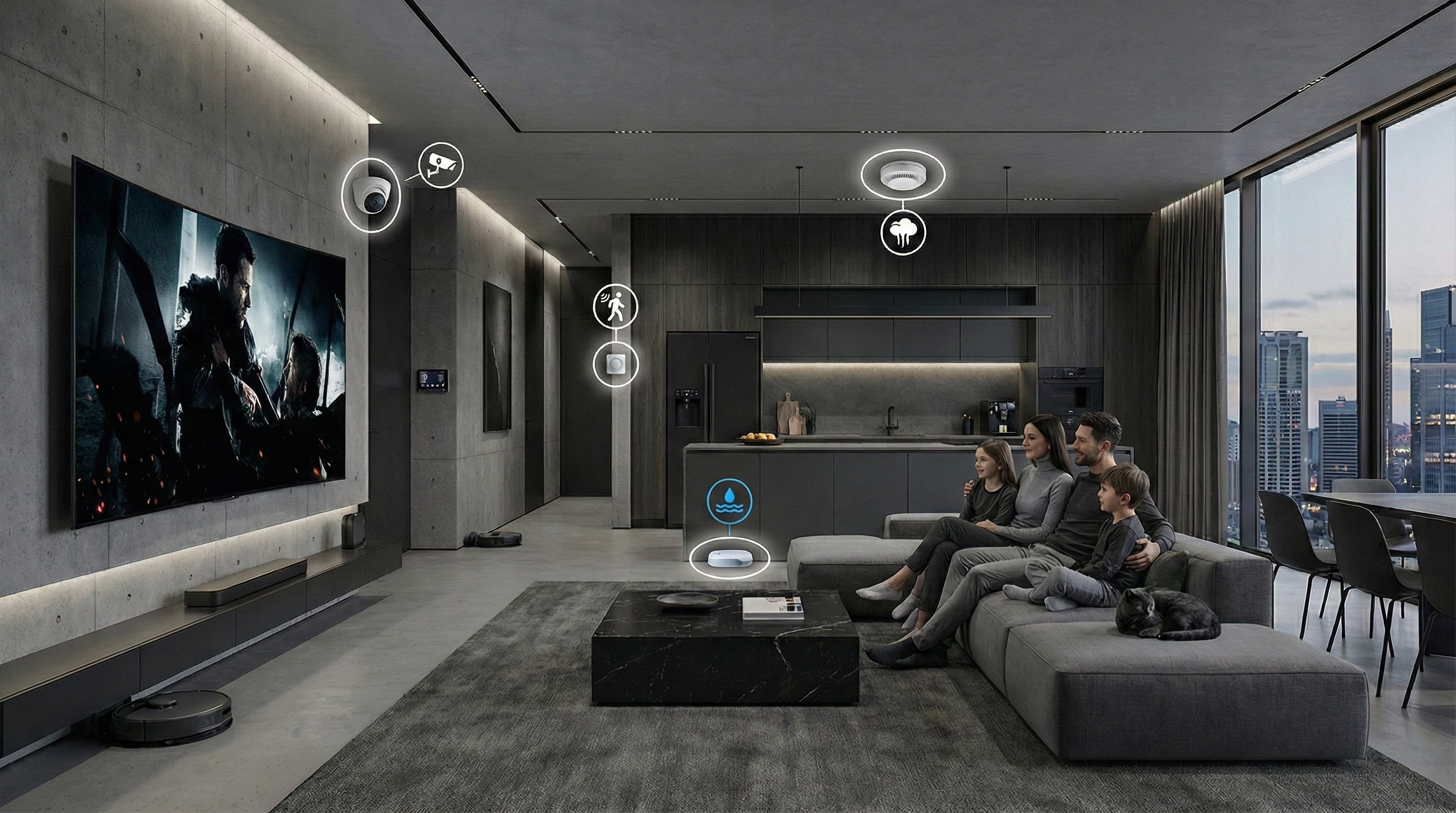
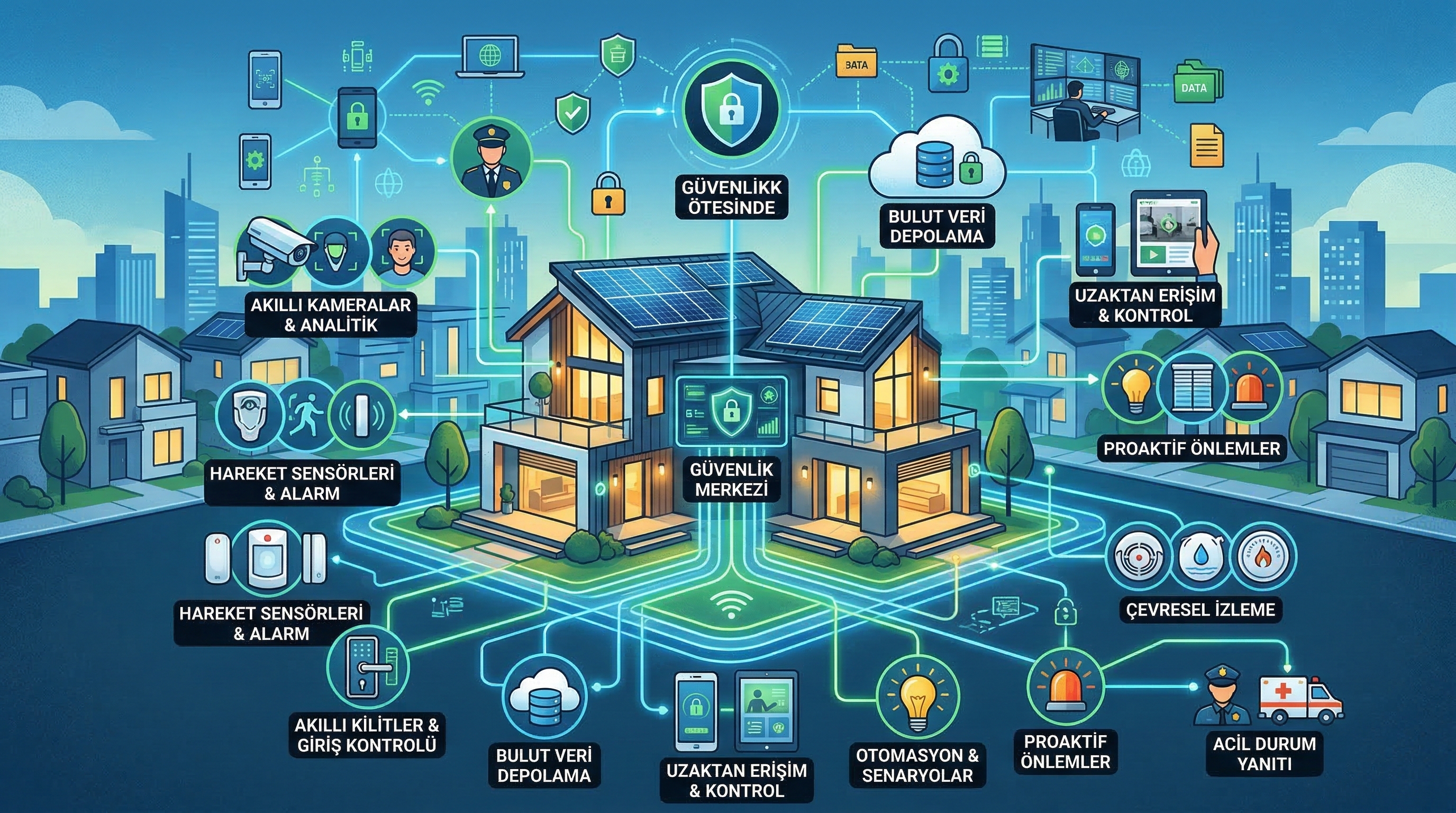
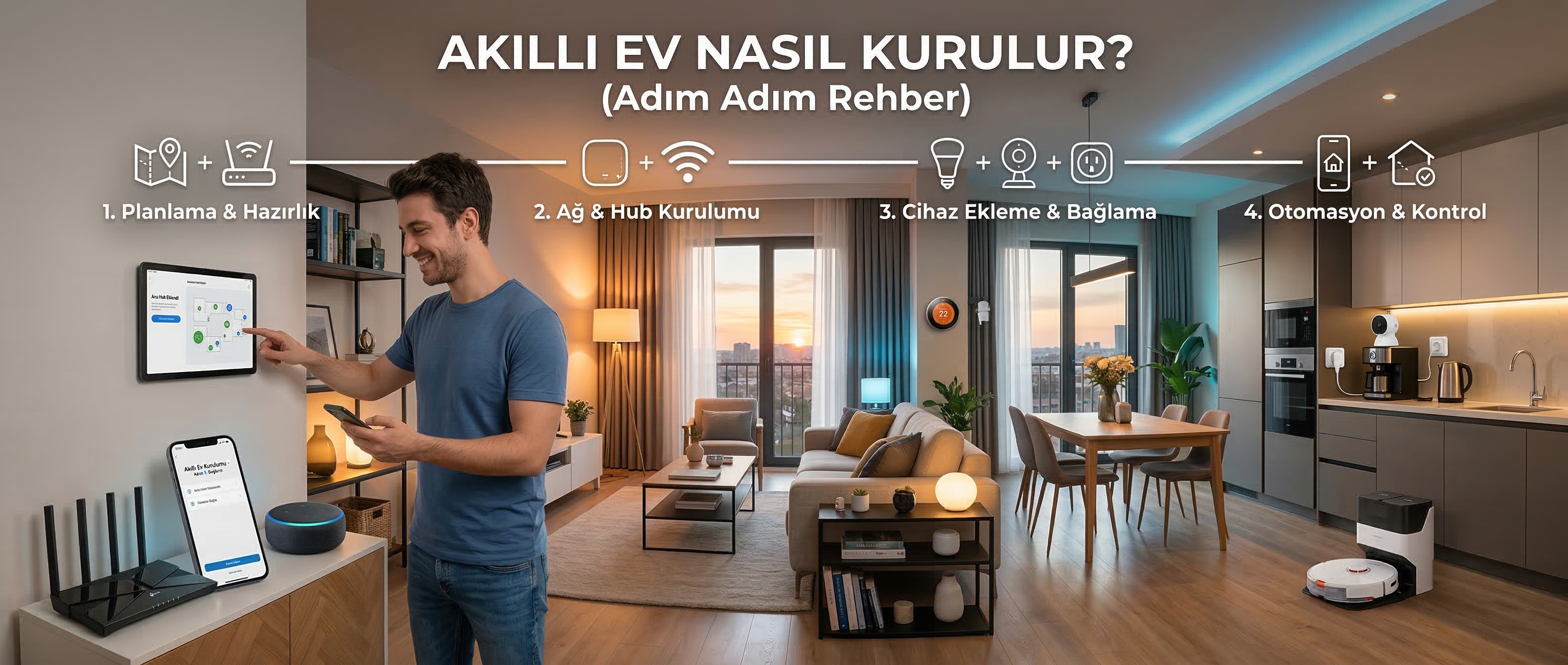
With the development of smart home technology, traditional household systems are becoming smarter and more efficient. Today, many everyday functions, from lighting and heating to security and curtain control, can be managed through a single application. Zigbee smart curtain and blind systems are among the modern automation solutions that improve everyday comfort while making home management easier.
But how do Zigbee smart curtain and blind systems work? What technology do they use, how are they installed, and what advantages do they offer? In this article, we explore the working principles, features, and applications of Zigbee-powered smart curtain and blind systems.
What Is a Zigbee Smart Curtain and Blind System?
A Zigbee smart curtain and blind system is an automation solution that allows electric curtain and blind motors to be controlled wirelessly through Zigbee communication technology.
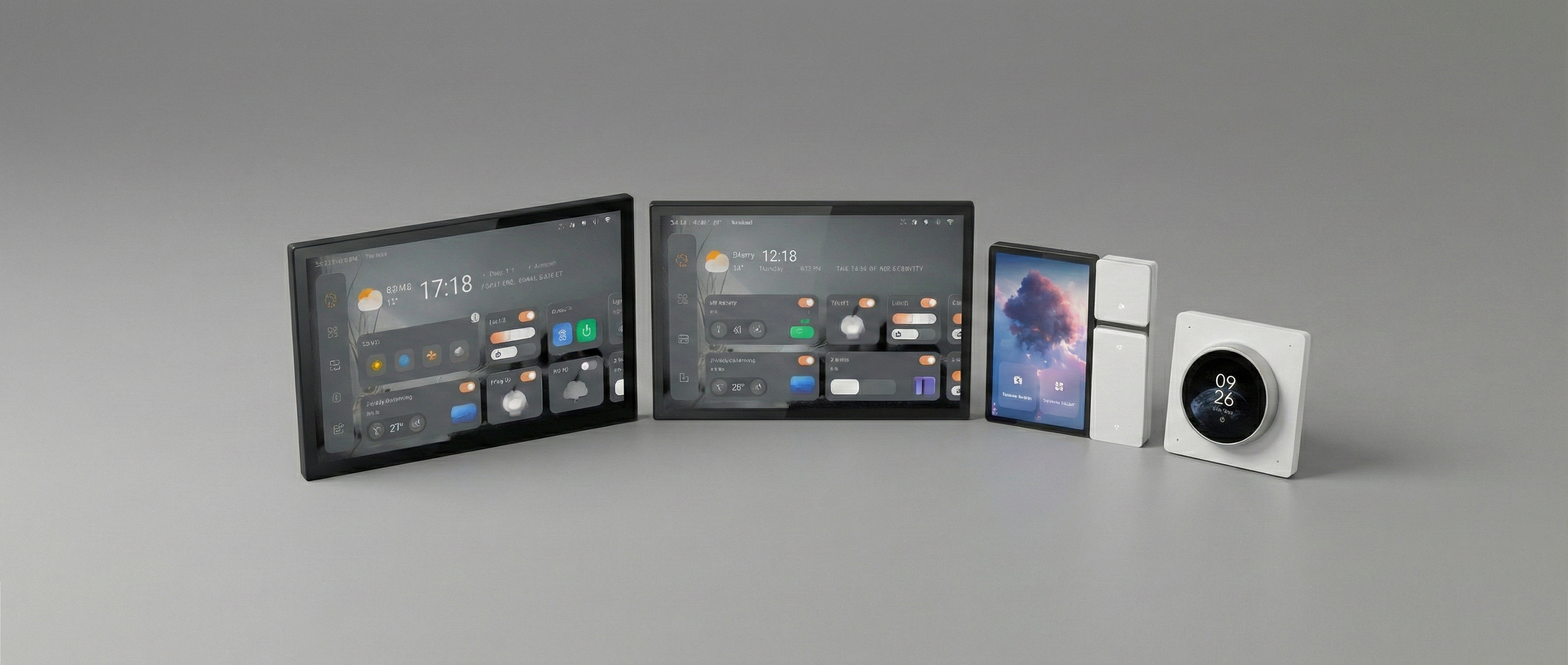
In traditional systems, users need to operate a physical switch to open or close curtains and blinds. With Zigbee-enabled systems, these operations can be performed through a smartphone, touchscreen control panel, or automated scenarios.
Zigbee is a low-power wireless communication protocol that allows compatible devices to communicate with one another. It is widely used in smart home applications because it enables multiple devices to operate within the same wireless network.
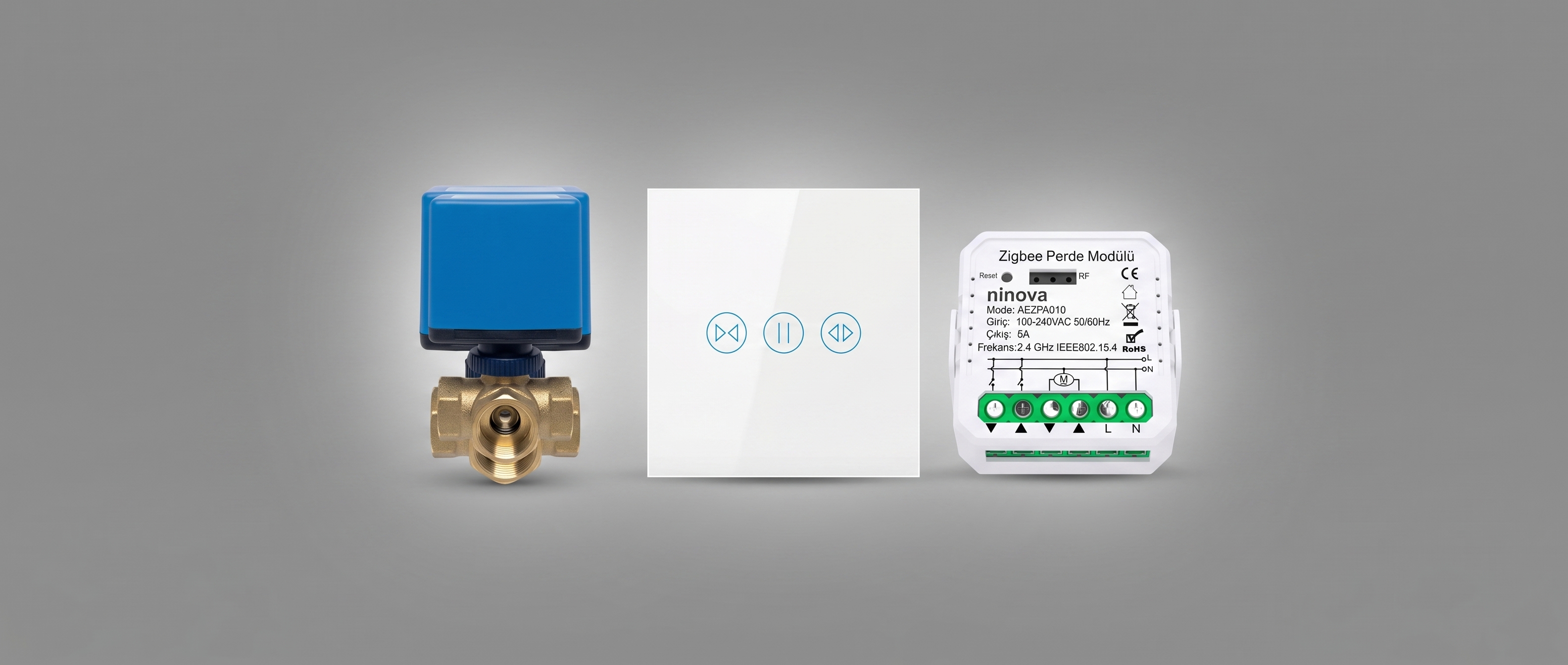
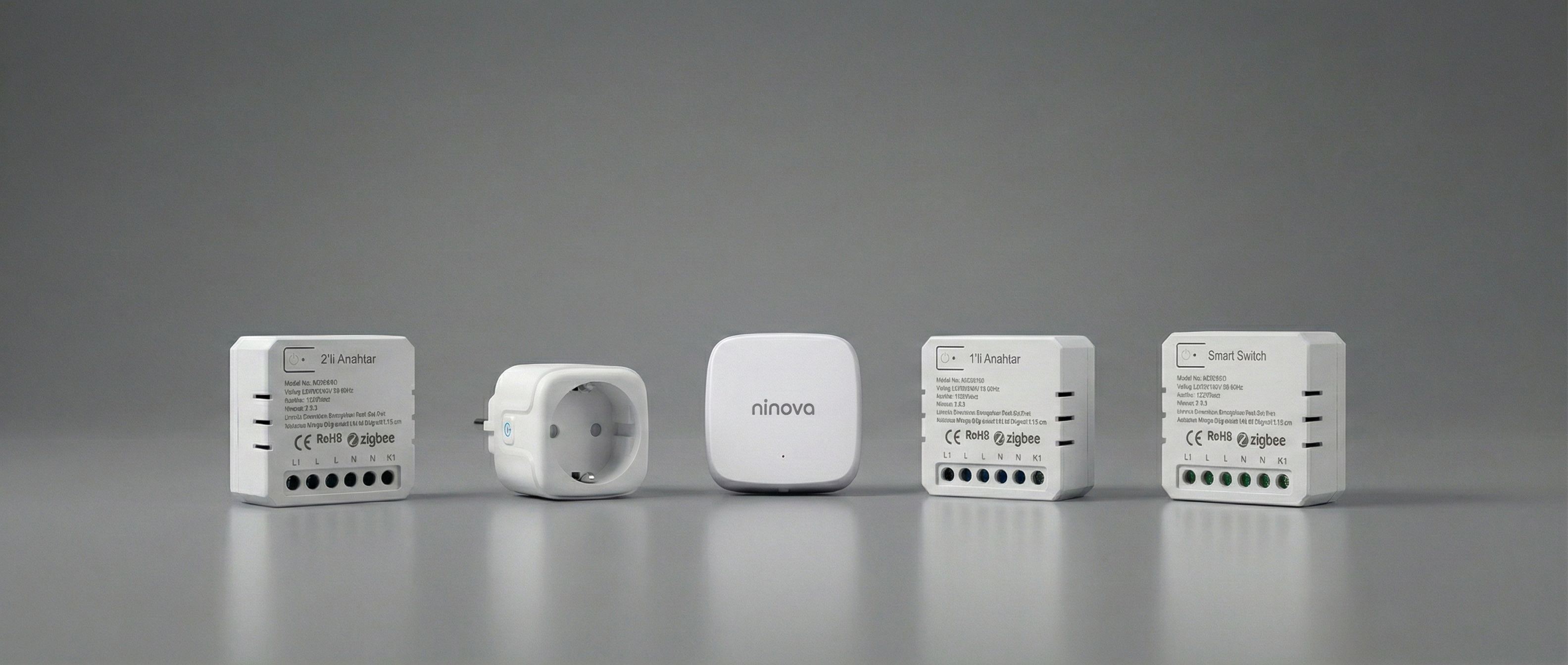
Zigbee curtain and blind modules can be integrated into compatible motorized systems, providing smart control capabilities. This makes it possible to upgrade existing motorized curtains and blinds without necessarily making major changes to the property.
How Do Zigbee Smart Curtain and Blind Systems Work?
The operating principle of Zigbee smart curtain and blind systems is based on wireless communication and motor control working together.
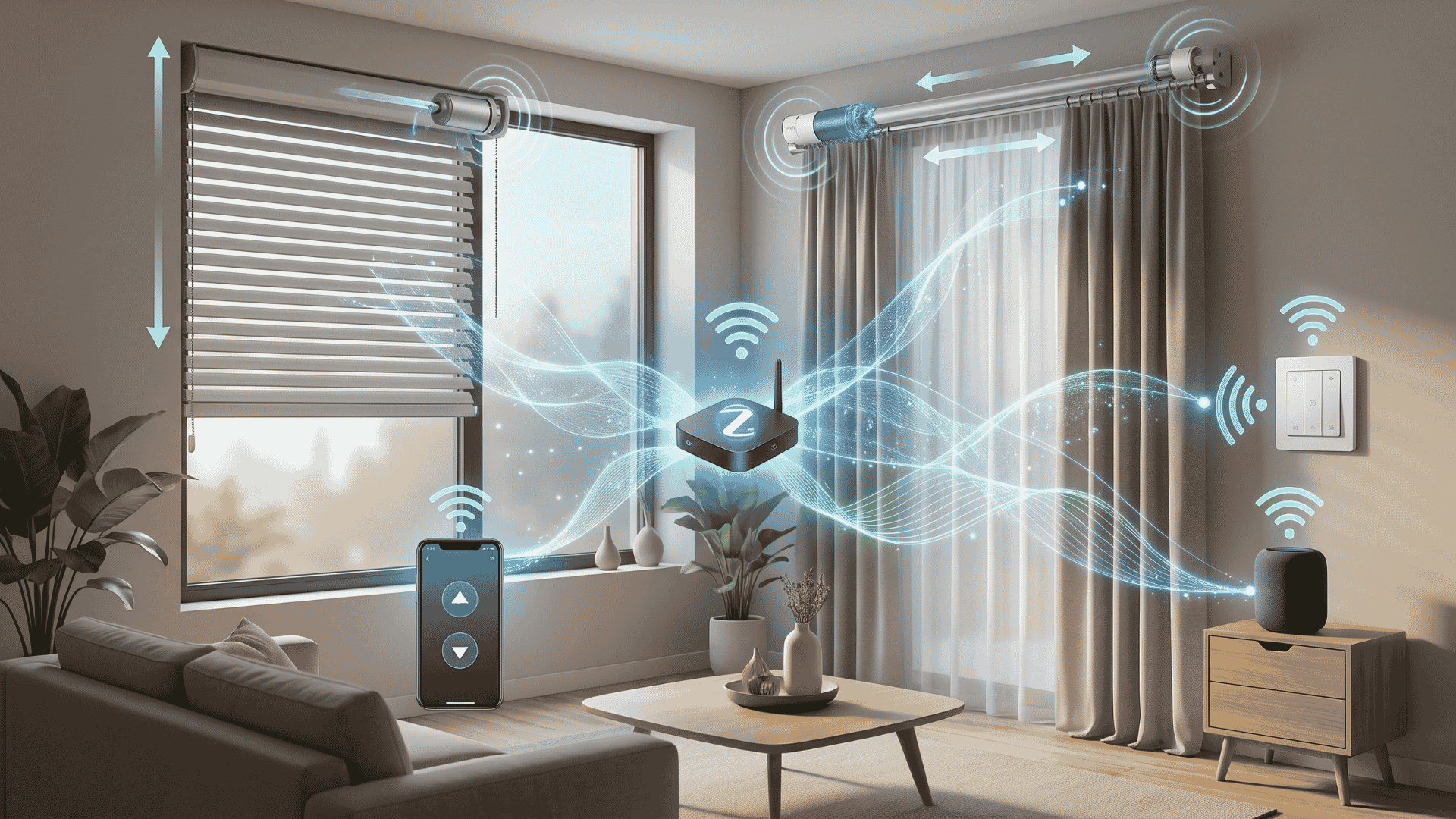
The system consists of three main components:
-
Zigbee Gateway: Acts as the central communication point for smart home devices.
-
Zigbee Curtain/Blind Module: Receives user commands and controls the motor accordingly.
-
Electric Curtain or Blind Motor: Moves the curtain or blind based on the received command.
When a user sends an open command through a smartphone application, the command is transmitted through the Zigbee network to the relevant module. The module then activates the electric motor, moving the curtain or blind in the requested direction.
The same process works in reverse when the user sends a close command. Depending on the motor and module specifications, users may also be able to control curtain or blind positions at different levels.
One of the most important advantages of these systems is that their functionality goes beyond simply opening and closing curtains. Scheduling, automation scenarios, and integration with other compatible smart home devices provide additional convenience.
What Is a Zigbee Gateway and Why Is It Necessary?
A Zigbee Gateway is a central device that allows Zigbee-enabled smart home products to communicate within the same network.
In smart curtain and blind systems, the gateway facilitates communication between the smartphone application and Zigbee modules. When a user sends a command through the application, the gateway helps deliver that command to the relevant device.
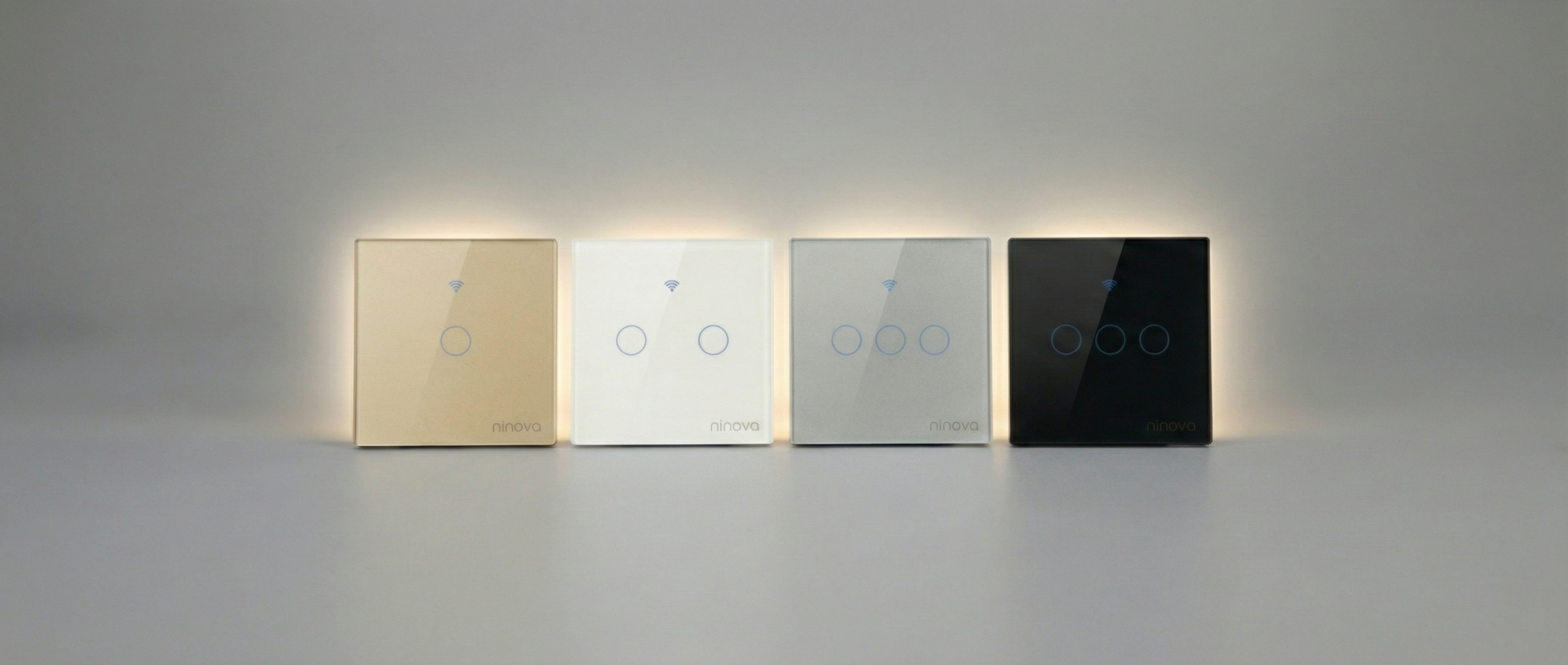
With a gateway, users can manage not only curtains and blinds but also other compatible Zigbee devices, such as smart lighting switches, motion sensors, door and window sensors, and additional automation products.
This allows different devices throughout the home to communicate and work together through a unified smart home system.
What Are the Advantages of Zigbee Smart Curtain and Blind Systems?
Zigbee smart curtain and blind systems offer significant benefits in terms of convenience, comfort, and control.
1. Remote Control
One of the main advantages of smart curtain and blind systems is remote control.
With an internet connection and a system that supports remote access, users can manage their curtains and blinds through a smartphone even when they are away from home.
For example, you can open your blinds during the day while you are at work or close your curtains before arriving home in the evening.
2. Scheduling Features
Zigbee smart curtain systems allow users to create schedules for automatic operation at specific times.
You can set your curtains to open at 8:00 AM and close at 7:00 PM every day. This eliminates the need to manually perform the same operations repeatedly.
Scheduling is particularly useful for people who prefer a consistent daily routine.
3. Creating Smart Home Automation Scenarios
Zigbee smart curtain and blind systems can work together with other smart home devices to create advanced automation scenarios.
For example:
-
Good Morning Scenario: Curtains open at a scheduled time and the lights turn off.
-
Good Night Scenario: Curtains and blinds close, and the lights turn off with a single command.
-
Leaving Home Scenario: Blinds close and predefined security automations are activated.
-
Movie Mode: Curtains close, lights dim, and the ideal environment for watching television is created.
These scenarios allow users to manage multiple smart home functions with a single command.
4. More Efficient Use of Natural Daylight
Smart curtain and blind systems make it easier to manage natural daylight throughout the day.
You can open curtains in the morning to enjoy natural sunlight and close blinds during hours when sunlight becomes too intense.
This feature can be particularly beneficial in homes and villas with large windows and glass surfaces.
5. Greater Everyday Comfort
Not having to operate every curtain or blind manually makes everyday life more convenient.
This is especially useful in homes with high windows, large glass surfaces, or multiple motorized curtains. Smart control makes managing these areas much easier.
Can Zigbee Smart Curtain Systems Be Used with Existing Curtains?
One of the most common questions is whether existing curtain and blind systems can be upgraded to smart systems.
Existing motorized curtain and blind systems with compatible motors and electrical connections can be integrated into smart home automation using suitable Zigbee control modules.
However, several factors should be considered:
-
The electrical connection structure of the curtain or blind motor must be checked.
-
The Zigbee module must be compatible with the motor type.
-
The motor's opening and closing control method must be evaluated.
-
Power requirements and connection conditions must be reviewed.
Not every motor can operate with the same control module. Therefore, checking the technical specifications of the existing motor before selecting a product is essential.
With the correct module and motor combination, existing systems can become part of a smart home automation network.
Zigbee vs. Wi-Fi: Which Is Better for Smart Curtain Systems?
Zigbee and Wi-Fi use different communication methods in smart curtain and blind applications.
Wi-Fi devices generally connect directly to a wireless network, while Zigbee devices communicate through a dedicated Zigbee network. A Zigbee Gateway allows multiple compatible devices to be managed within the same network.
Key advantages of Zigbee technology include:
-
Low power consumption.
-
Support for mesh networking.
-
Communication between multiple compatible smart home devices.
-
A wireless infrastructure designed for smart home automation.
-
Reduced reliance on Wi-Fi for connecting every individual smart home device.
Zigbee can be a particularly suitable alternative for villas, apartments, and commercial projects where numerous smart devices are used.
However, the best technology depends on the number of devices, existing infrastructure, product compatibility, and automation requirements.
How Does Zigbee Mesh Networking Benefit Smart Blind Systems?
One of the important features of Zigbee technology is its mesh networking capability.
In a mesh network, certain Zigbee devices that operate as routers can forward communication between other devices. This helps extend network coverage and provides alternative communication paths.
For example, in a large villa, Zigbee devices located in the living room, bedrooms, and upper floors may communicate through other suitable routing devices within the network.
However, not every Zigbee device can function as a signal repeater. Many battery-powered sensors operate as end devices and do not route signals. Therefore, proper network planning and the placement of router-capable devices are important.
A well-designed Zigbee network helps provide more reliable and efficient communication across larger living spaces.
Where Can Zigbee Smart Curtain and Blind Systems Be Used?
Zigbee smart curtain and blind automation is not limited to residential properties. It can also be used in various living and working environments.
Smart Homes: Curtains in living rooms, bedrooms, kitchens, and other areas can be managed through a single application.
Villas: Centralized control makes it easier to manage numerous windows and motorized blinds throughout large properties.
Smart Hotels: Guests can conveniently control curtains and blinds in their rooms. Automation scenarios can further improve room comfort.
Offices: Automated curtain systems can help manage natural daylight and improve workplace comfort.
Meeting Rooms: Curtains can be closed with a single command before presentations or meetings.
What Should You Consider When Installing a Zigbee Smart Curtain and Blind System?
Choosing the right module alone is not enough to create an efficient smart curtain and blind system. All components must be compatible with one another.
Before installation, consider the following factors:
-
Motor Compatibility: The control module must be compatible with the curtain or blind motor.
-
Gateway Compatibility: The Zigbee module must work with the selected gateway.
-
Wireless Signal: The gateway and devices should be positioned to support reliable Zigbee communication.
-
Electrical Infrastructure: Power requirements and motor connections must be checked.
-
Automation Planning: Opening, closing, scheduling, and automation scenarios should be designed according to the user's daily needs.
In newly constructed properties, planning the electrical infrastructure for smart home systems in advance makes future integration much easier.
Smart Curtain and Blind Control with Ninova Smart Home Systems
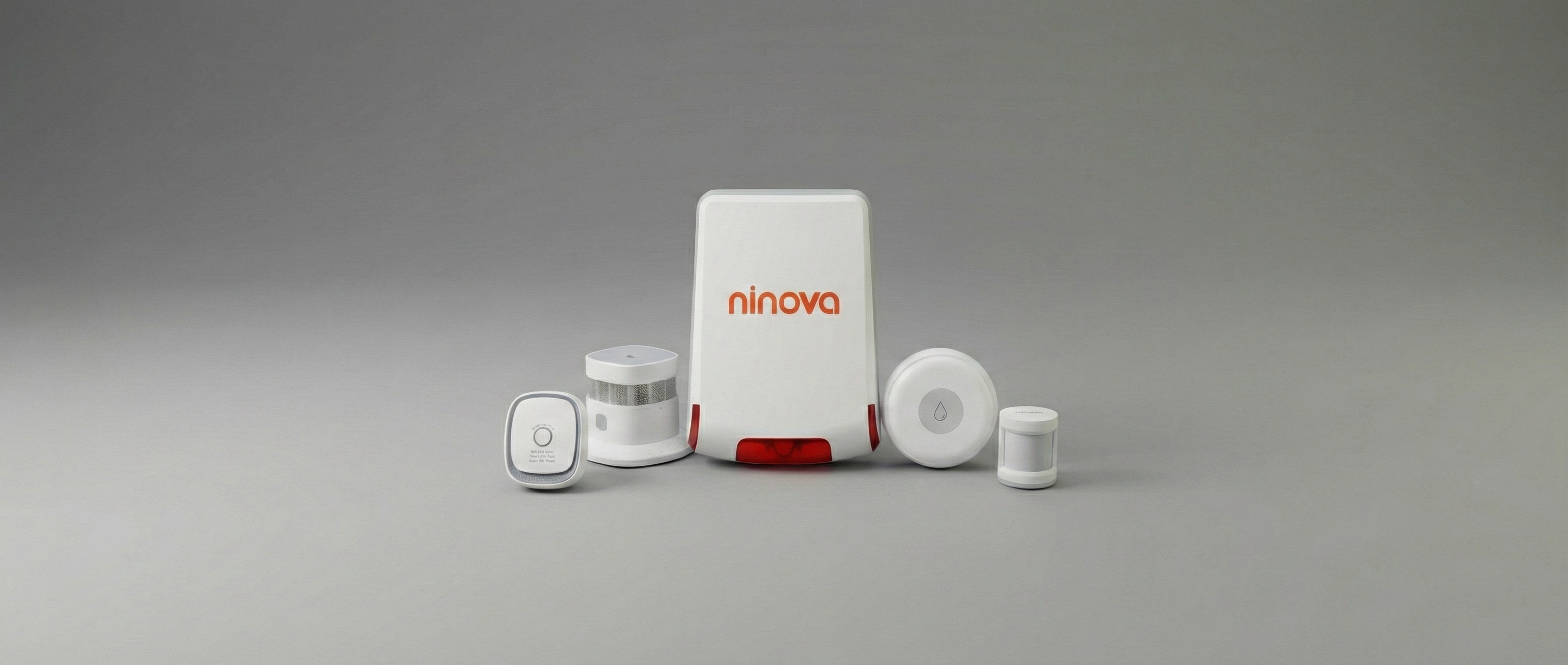
Ninova Smart Home Systems offers smart home solutions designed to make living spaces more comfortable, secure, and easier to manage.
With Zigbee-powered curtain and blind modules, you can integrate compatible motorized systems into your smart home automation setup. You can control them through your smartphone and create automation scenarios based on your daily routines.
Ninova smart home solutions allow you to bring together lighting, curtains, blinds, security, and other compatible systems under a unified control platform.
Smart home technology is not limited to newly constructed buildings. Existing homes with suitable infrastructure can also benefit from automation through the correct selection and integration of smart devices.