How Much Does It Cost to Build a Smart Home from Scratch? Economic and Premium Options
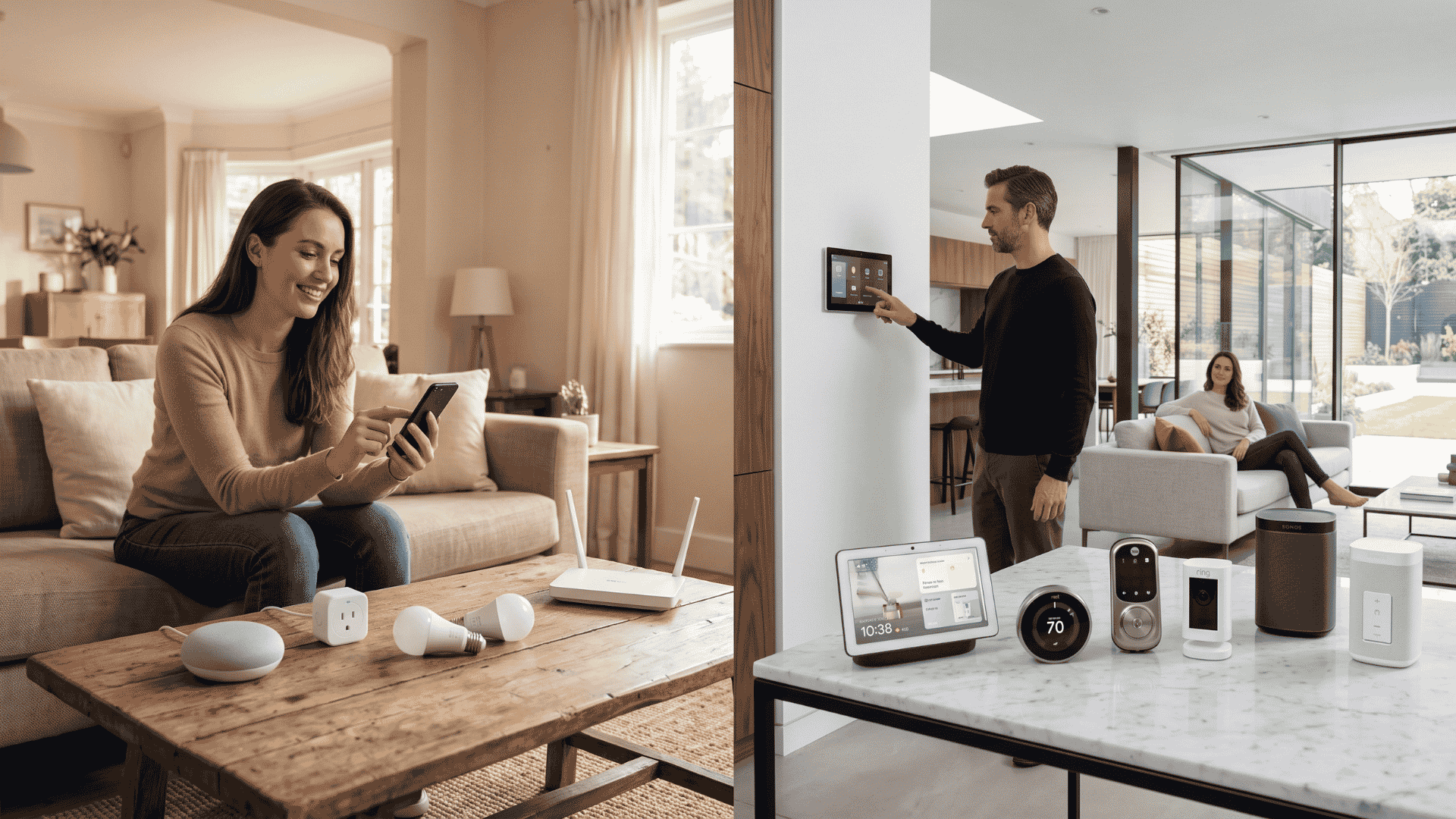
Smart home technology is no longer limited to luxury properties. Today, homeowners can make their homes smarter by automating lighting, security, energy management, water leak detection, gas detection, and access control.
But how much does it actually cost to build a smart home from scratch?
There is no single answer. The total smart home system cost depends on several factors, including the size of the property, the number of devices, the communication protocol, the level of automation, installation requirements, and whether the system is wireless or wired.
In 2026, a basic smart home can be created with a relatively modest budget, while a comprehensive premium automation system for a large house or villa can require a significantly higher investment.
The good news is that you do not have to automate everything at once. A smart home can be built step by step, starting with the areas that provide the most value.
What Do You Need for a Smart Home?
A smart home is much more than a few smart light bulbs.
A properly designed smart home system can include:
- Smart lighting switches
- Smart plugs
- Motion sensors
- Door and window sensors
- Smoke detectors
- Gas leak detectors
- Water leak sensors
- Smart door locks
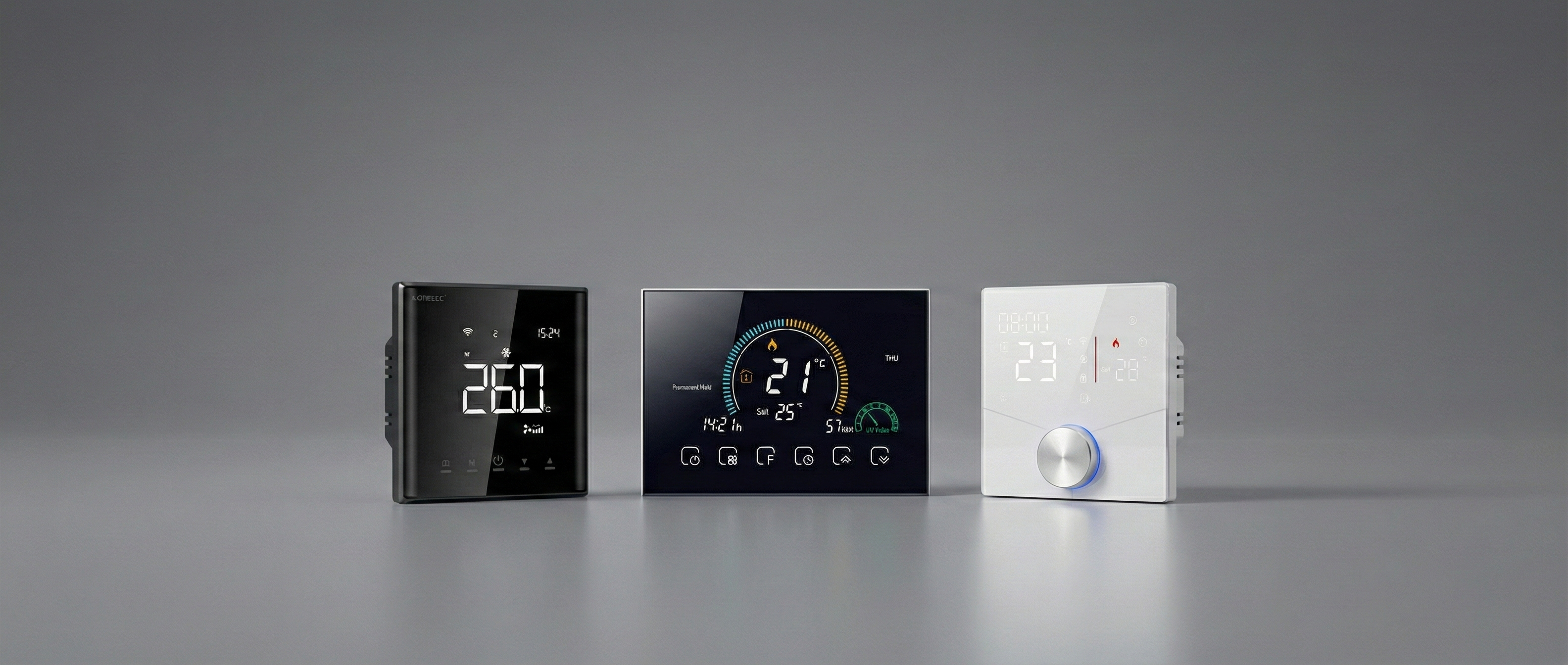
- Smart thermostats
- Smart curtains and blinds
- Energy monitoring devices
- A smart gateway or hub
- Mobile applications
- Automation scenarios
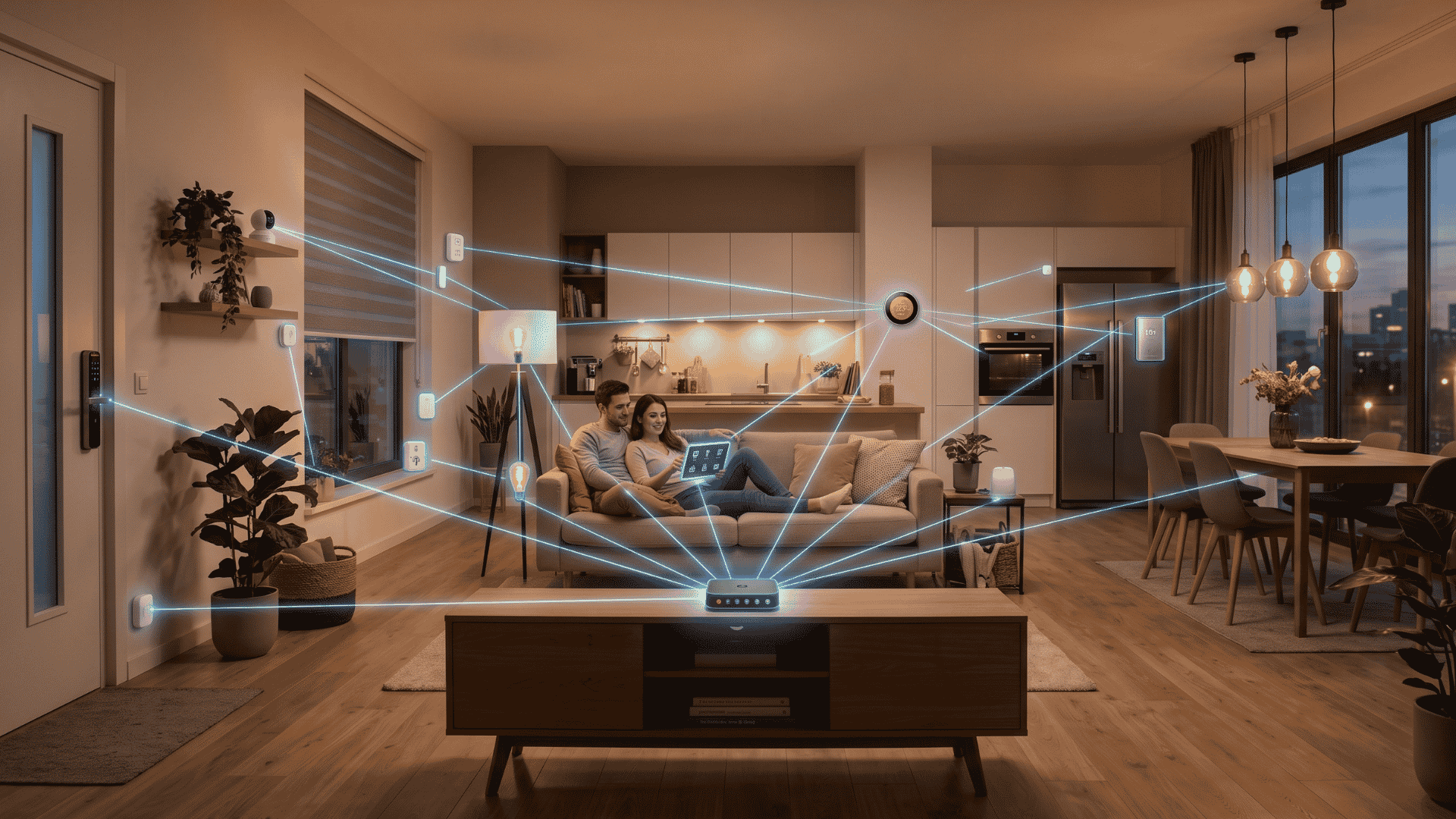
Zigbee is particularly useful for smart home projects that include multiple sensors and devices. Zigbee-based devices can communicate through a compatible hub or gateway and can become part of a larger home automation ecosystem.
The key is not simply to buy smart devices, but to create a system in which different devices can work together.
1. Budget-Friendly Smart Home
If you are installing a smart home system for the first time, you do not necessarily need to automate your entire property.
A budget-friendly smart home can focus on essential areas such as lighting, energy control, and basic security.
Depending on the number and type of devices, a basic system can start with a relatively small investment and be expanded over time.
Smart Lighting
Lighting is one of the easiest ways to start building a smart home.
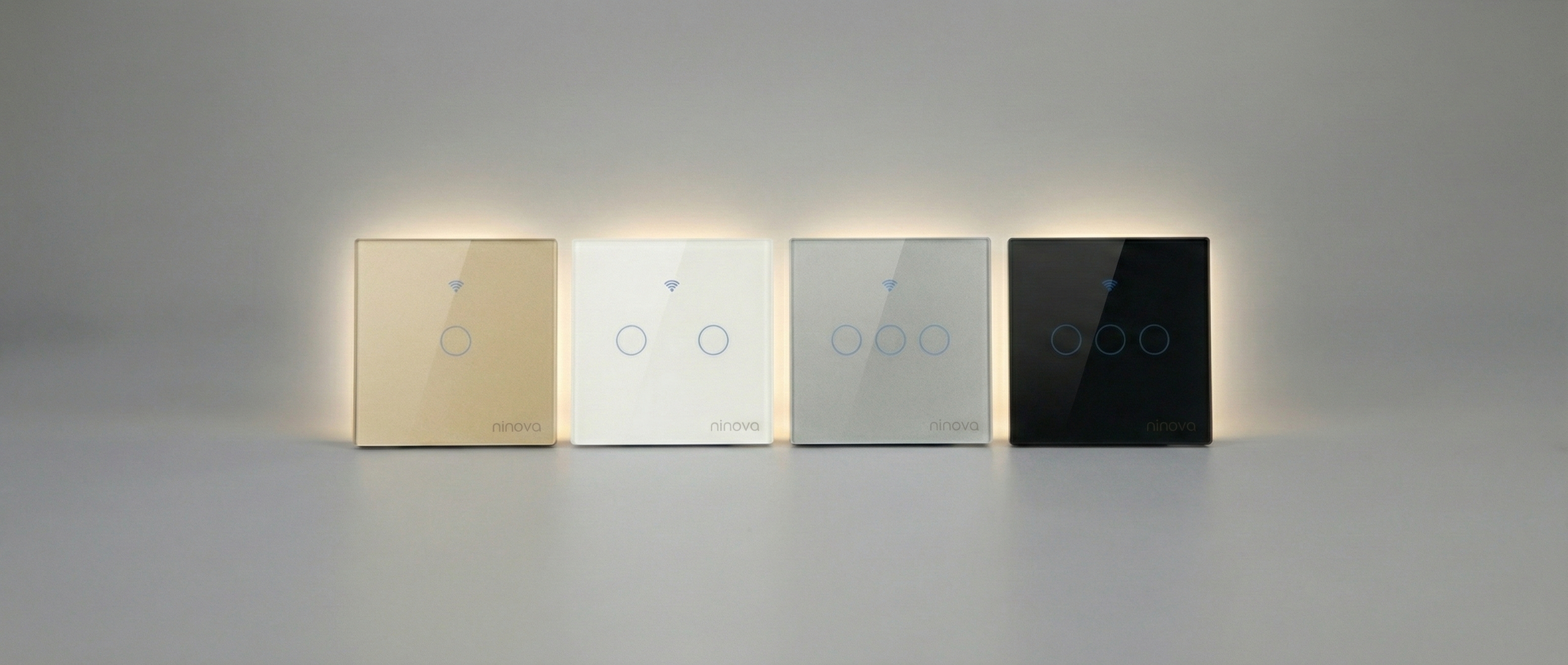
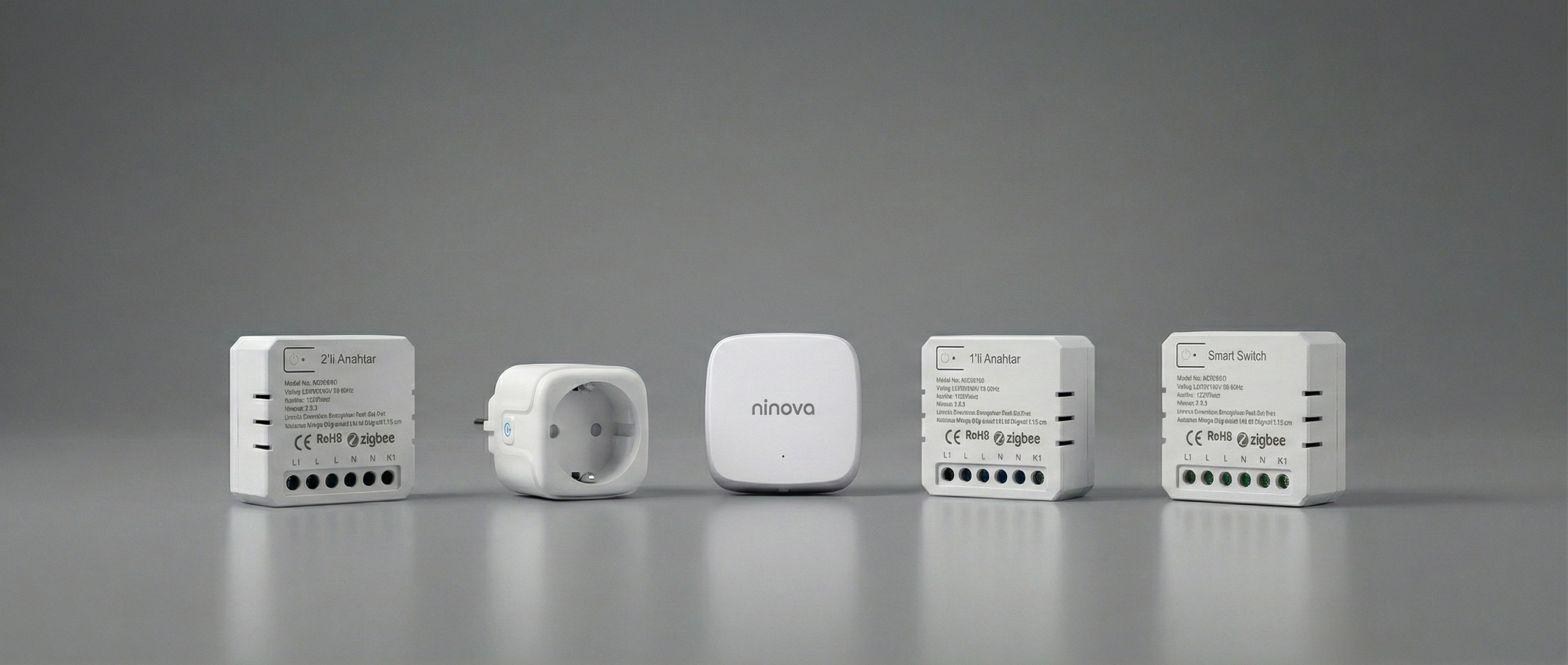
The Ninova 3-Gang Smart Lighting Switch can be used to control three separate lighting circuits from a single switch panel. It can form the foundation of a smart lighting system and can be incorporated into different automation scenarios.
For example, you can create a scenario such as:
"Leaving Home" → Turn off the living room lights → Turn off the kitchen lights → Turn off selected electrical devices.
Instead of checking every room before leaving, a single command can trigger several actions.
Smart Plugs
Smart plugs are another practical starting point because they allow existing electrical devices to become part of a smart home ecosystem without replacing the devices themselves.
The Ninova Zigbee Smart Plug can be used as part of a Zigbee-based smart home system.
Smart plugs can be useful for lamps, coffee machines, entertainment devices, and other compatible appliances.
They can also be used for automation scenarios such as scheduled operation or automatically switching devices off when the house is empty.
2. Mid-Range Smart Home System
If you want more than remote lighting control, a mid-range system can combine comfort, security, and automation.
This type of smart home may include:
- Smart lighting
- Smart plugs
- Smoke detection
- Gas detection
- Water leak detection
- Motion sensors
- Door sensors
- Smart access control
- Central gateway
- Mobile notifications
At this level, security sensors become particularly important.
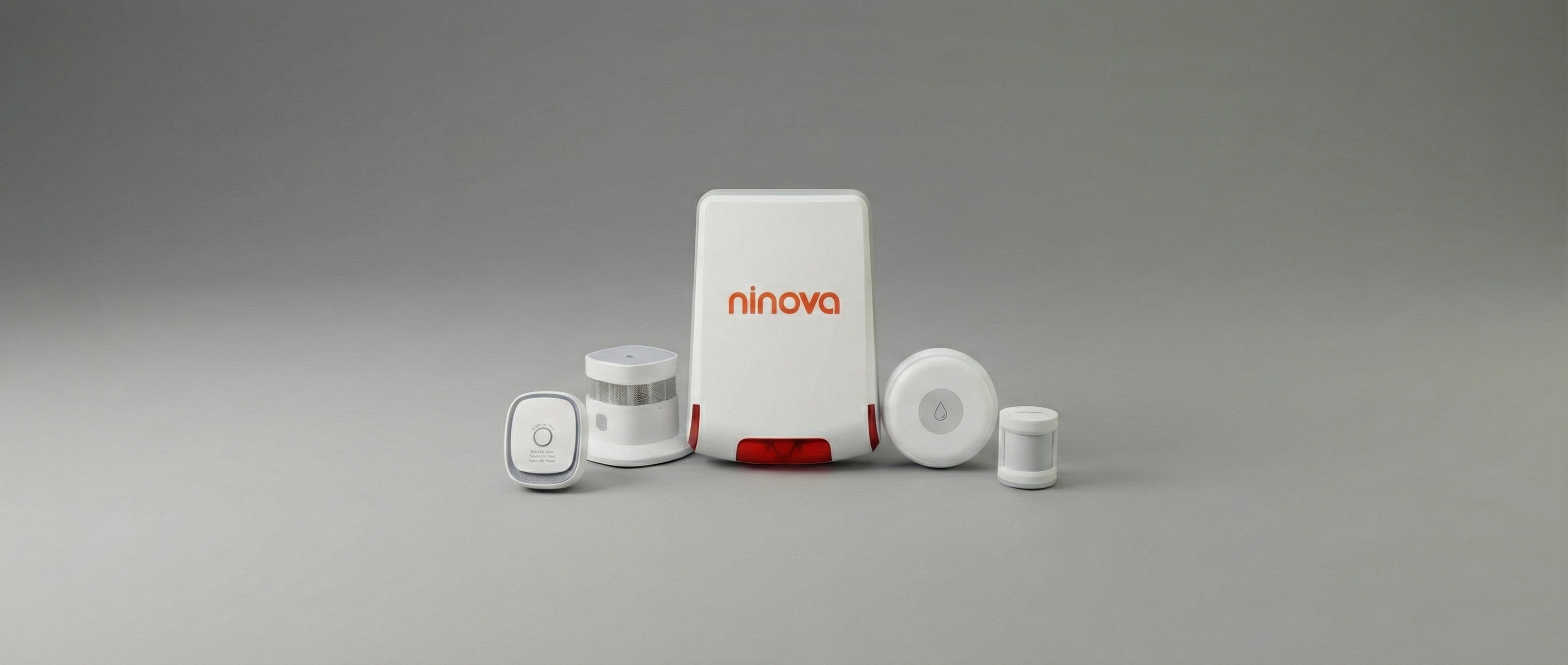
Smart Smoke Detector
Fire safety is one of the most valuable applications of smart home technology.
The Ninova Zigbee Smoke Sensor uses photoelectric smoke detection and Zigbee 3.0 connectivity. According to the product information, it provides audible and LED alerts and can work with Tuya Smart / Smart Life through a Zigbee hub.
This means a smart smoke detection scenario could work like this:
Smoke detected → Local alarm activated → Smartphone notification → Smart lights activated → Security scenario triggered.
The ability to receive a notification while away from home can make smart smoke detection significantly more useful than a conventional standalone detector.
Smart Gas Leak Detection
Gas safety is another important part of a modern smart home.
The Ninova Zigbee Gas Sensor is designed to detect methane (CH4) and LPG gases. The device provides audible and visual warnings and can send notifications through a compatible Zigbee gateway.
A possible automation scenario is:
Gas detected → Alarm activated → Smartphone notification → Ventilation system triggered.
The sensor is designed for continuous monitoring and can be particularly useful in kitchens, boiler areas, apartments, offices, and other spaces where gas detection is important.
For safety-critical systems, professional installation and compliance with applicable safety requirements should always be considered.
Smart Water Leak Protection
Water damage is one of the risks that homeowners often overlook.
A leaking washing machine hose, sink connection, boiler, bathroom pipe, or other plumbing component can cause significant damage if the leak is not noticed quickly.
The Ninova Zigbee Water Leak Sensor can detect contact with water and integrate with a Zigbee-based smart home system.
A smart water protection scenario could work as follows:
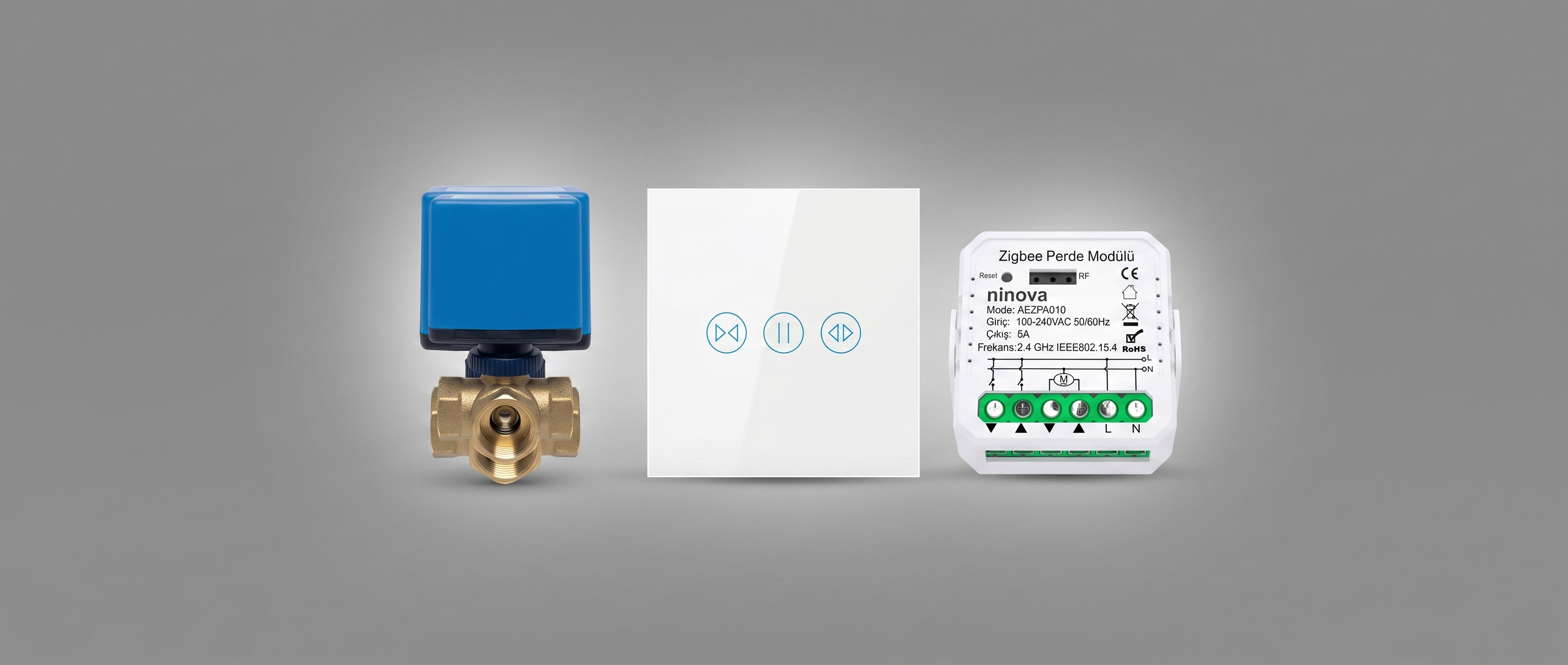
Water detected → Smartphone notification → Alarm activated → Smart water valve closed.
When combined with a compatible smart valve, this type of automation can potentially reduce the time between detecting a leak and taking action.
3. Premium Smart Home System
A premium smart home is designed to do much more than turn lights on and off remotely.
The goal is to create an environment where lighting, security, climate control, access, energy management, curtains, and other systems work together automatically.
Premium projects can include:
- Whole-home smart lighting
- Smart door locks
- Security sensors
- Climate control
- Motorized curtains
- Energy management
- Multi-room audio
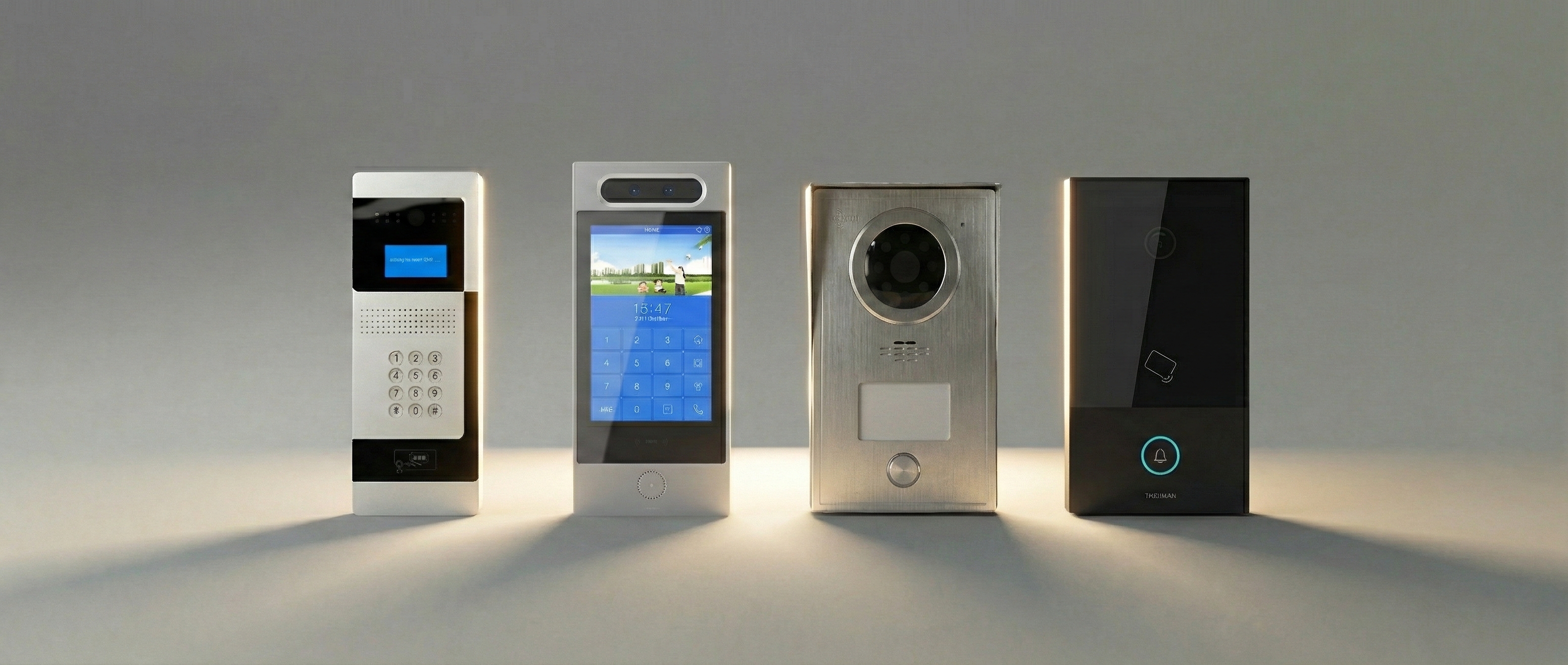
- Video intercom
- Smart appliances
- Advanced automation scenarios
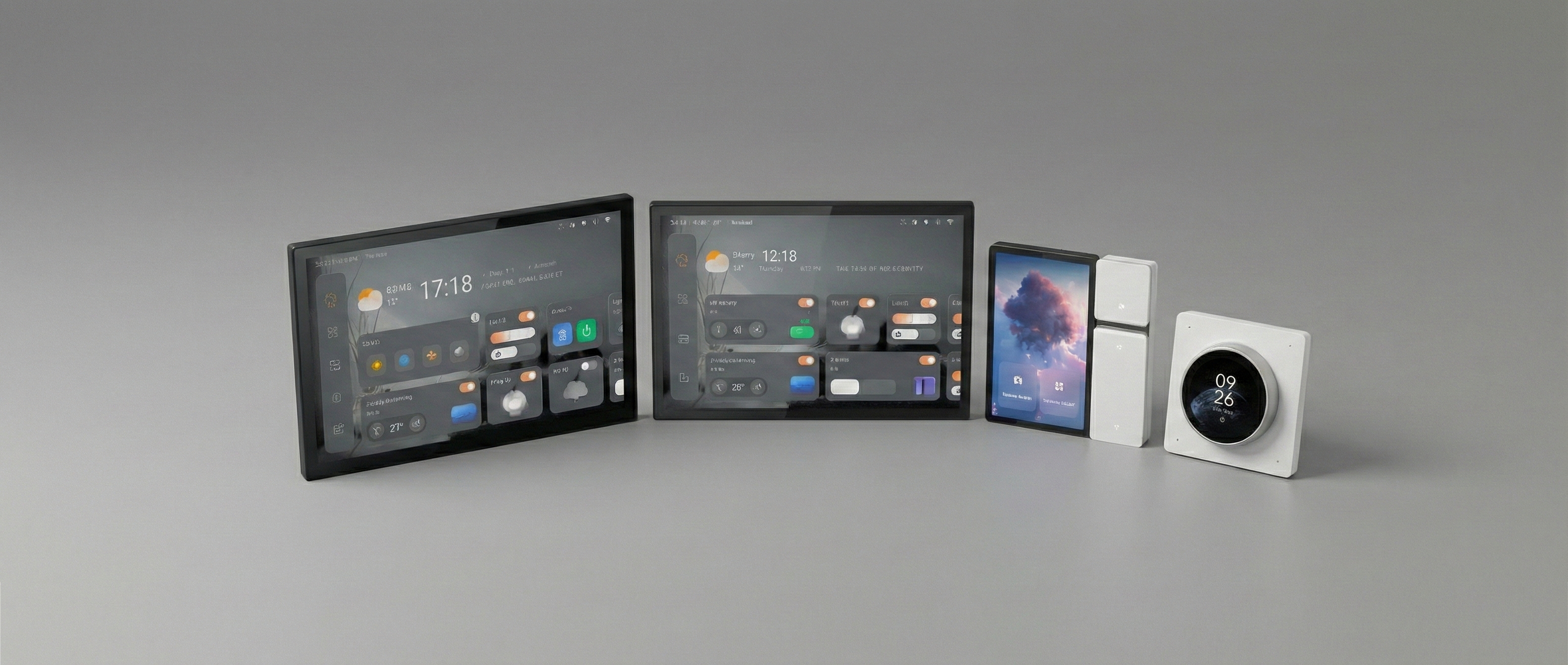
- Central control panels
The final cost depends heavily on the size of the property, the number of controlled systems, the infrastructure, and the level of professional installation required.
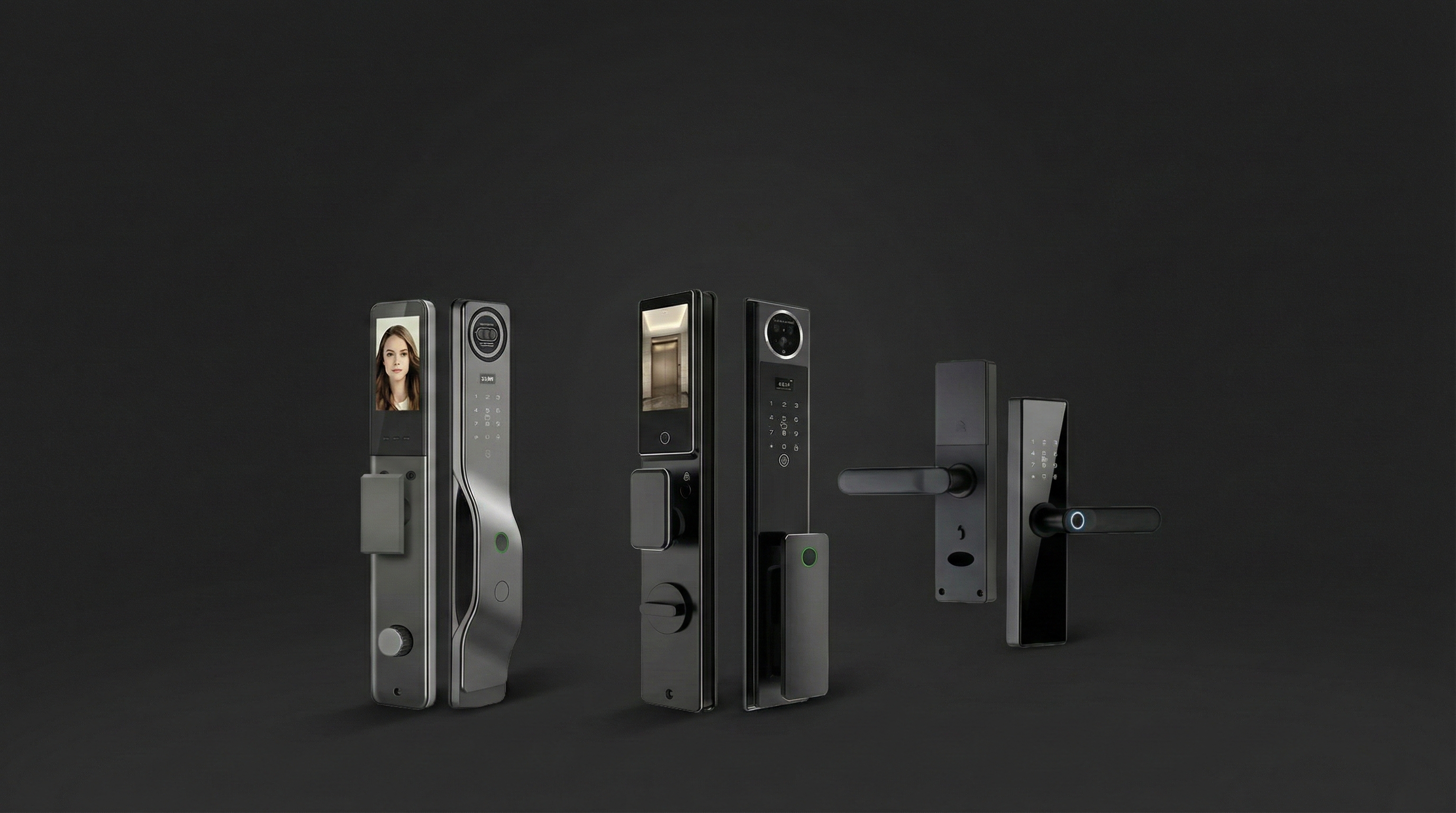
Smart Door Locks
One of the most visible premium smart home technologies is the smart door lock.
The Ninova Smart Steel Door Lock NAK27 supports multiple access methods, including 3D facial recognition, fingerprint recognition, passwords, IC cards, and a traditional mechanical key.
This creates several possibilities for a smart home.
For example:
Door unlocked → Entrance lights turn on → Security mode changes → Selected devices activate.
A smart door lock can also be particularly useful for homes with multiple users, offices, rental properties, and other environments where access management is important.
What Has the Biggest Impact on Smart Home Cost?
When calculating the cost of a smart home system, it is important to look beyond individual device prices.
Several factors can significantly affect the total investment.
1. Property Size
A two-bedroom apartment and a large villa will have completely different requirements.
More rooms generally mean more:
- Smart switches
- Sensors
- Smart plugs
- Lighting circuits
- Climate control devices
- Security devices
Therefore, property size directly affects the total cost.
2. Wired vs. Wireless Infrastructure
Wireless technologies such as Zigbee can be particularly practical when upgrading an existing home without major renovation work.
For a new construction project, however, it may be possible to design the electrical and automation infrastructure from the beginning.
The right approach depends on the property, project requirements, and desired level of automation.
3. Number of Automation Scenarios
There is a significant difference between:
"Turn the living room light on with my phone."
and:
"When I arrive home, unlock the door, turn on the hallway lights, adjust the temperature, open the curtains, and activate the evening lighting scene."
The more sophisticated the automation, the more devices and infrastructure may be required.
4. Professional Installation
Some smart devices are designed for relatively simple installation, while products that interact with electrical wiring or access control systems may require professional installation.
Installation costs should therefore be included in the overall smart home budget.
5. Central Gateway
If your system includes multiple Zigbee devices, a compatible Zigbee gateway or smart home hub is an important part of the infrastructure.
The gateway acts as a bridge between compatible devices and the smart home platform.
How Should You Plan Your Smart Home Budget?
One of the biggest mistakes when building a smart home is trying to purchase every possible device at once.
A better approach is to build the system in stages.
Stage 1 – Basic Automation
Start with:
- Smart lighting switches
- Smart plugs
- Smart home gateway
This creates the basic automation infrastructure.
Stage 2 – Security
Add:
- Smoke sensors
- Gas sensors
- Water leak sensors
- Door and window sensors
- Motion sensors
At this point, the home begins to respond automatically to potential safety risks.
Stage 3 – Premium Automation
Finally, consider:
- Smart door locks
- Motorized curtains
- Climate control
- Energy management
- Advanced security
- Central control panels
- Custom automation scenes
This approach allows you to control your initial investment while keeping the system expandable.
Is Building a Smart Home Worth It?
The answer depends on what you expect from your home.
Smart home technology is not simply about convenience. When properly planned, it can provide benefits in several areas:
Security: Smoke, gas, water, motion, and access sensors can provide additional monitoring.
Comfort: Lighting, temperature, curtains, and other systems can be automated.
Energy management: Smart plugs and other connected devices can help users monitor and control selected electrical loads.
Convenience: Multiple devices can be controlled through a single application or automation scenario.
However, the most expensive system is not necessarily the best system.
A well-designed smart home should be based on the actual needs of the property and its occupants.
How Much Should You Budget for a Smart Home?
The total smart home cost can vary considerably depending on the size and complexity of the project.
As a general planning framework:
- Budget smart home: Basic lighting, plugs, and selected sensors
- Mid-range smart home: Lighting + security + sensors + gateway + access control
- Premium smart home: Whole-home automation + security + access + climate + energy management
- Professional villa automation: Fully customized system designed according to the property's infrastructure
These are not fixed prices. The final cost should be calculated based on the number of devices, installation requirements, infrastructure, and automation scope.