

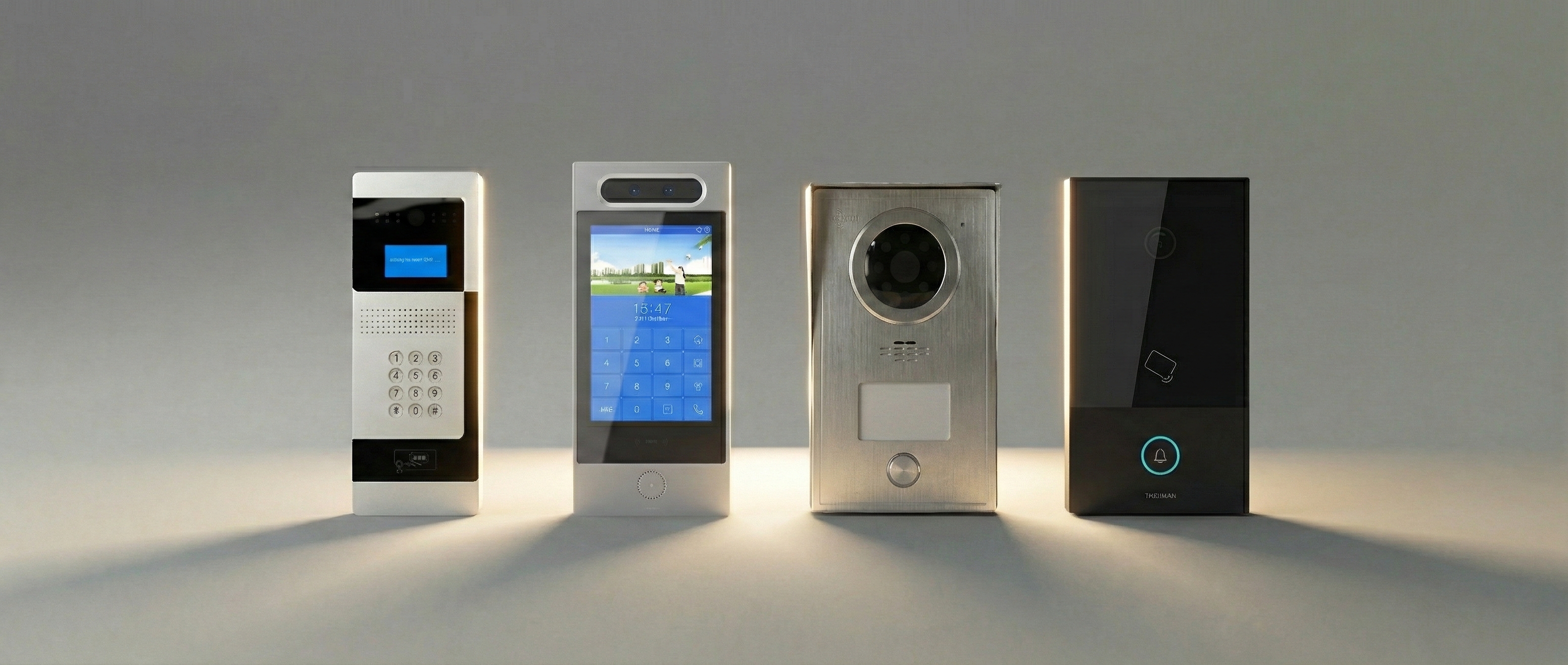
From Historical Texture to Digital Comfort: The Transformation of Smart Home Systems in İstanbul
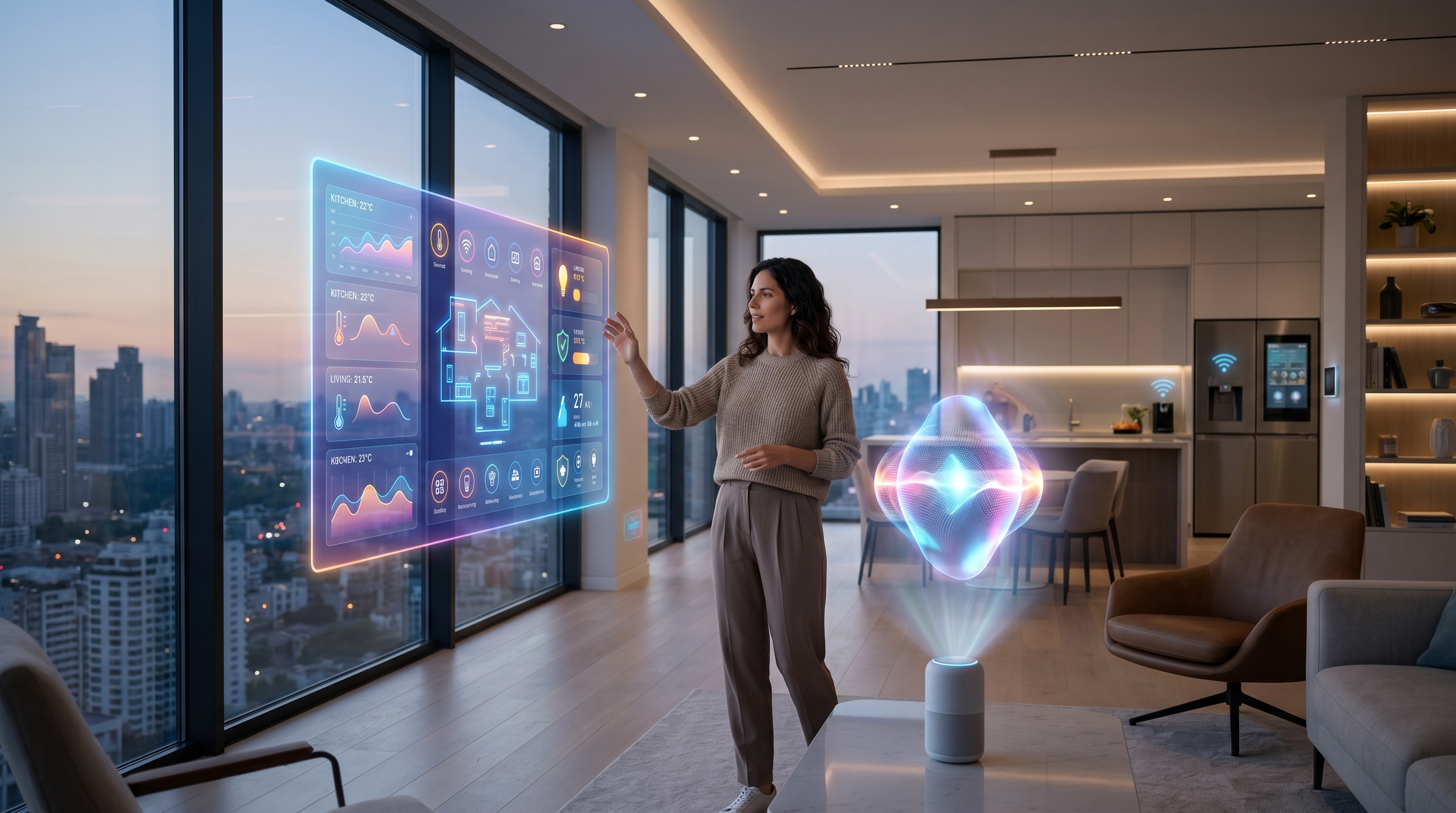
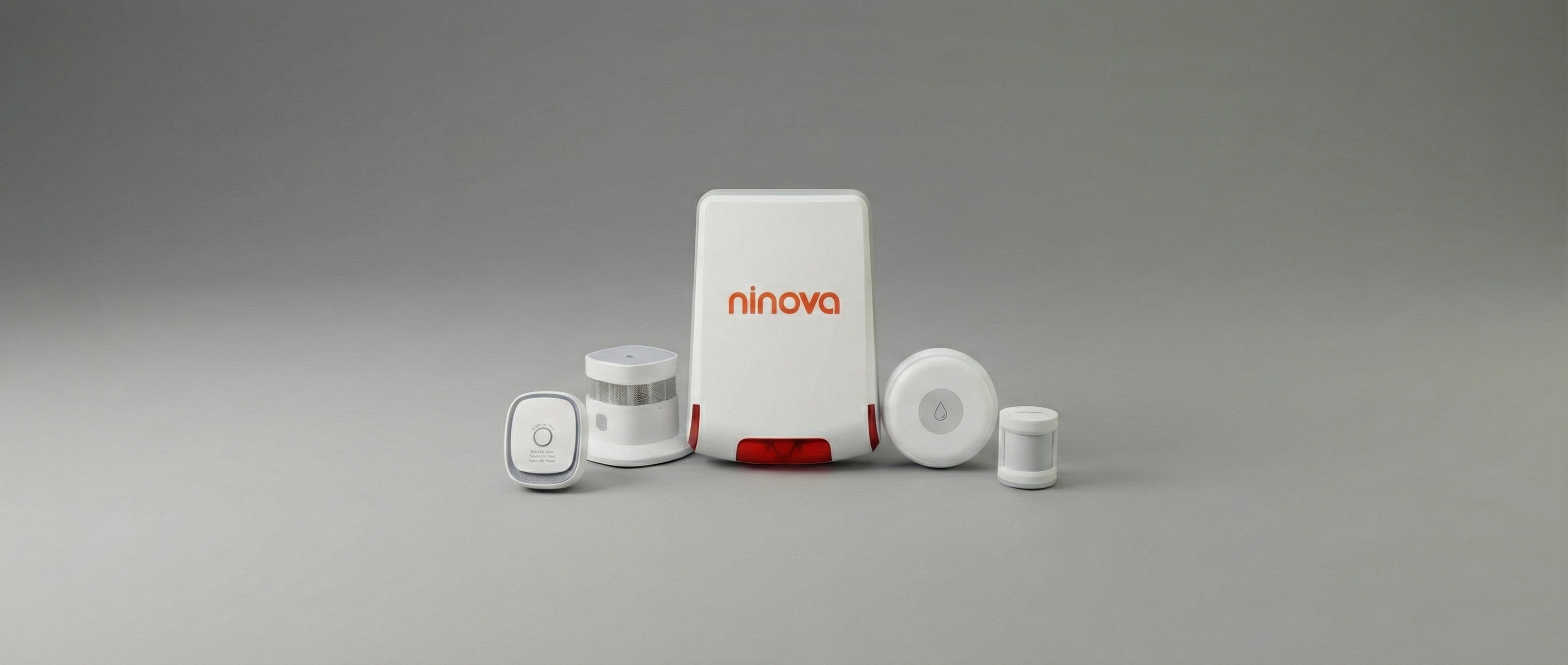
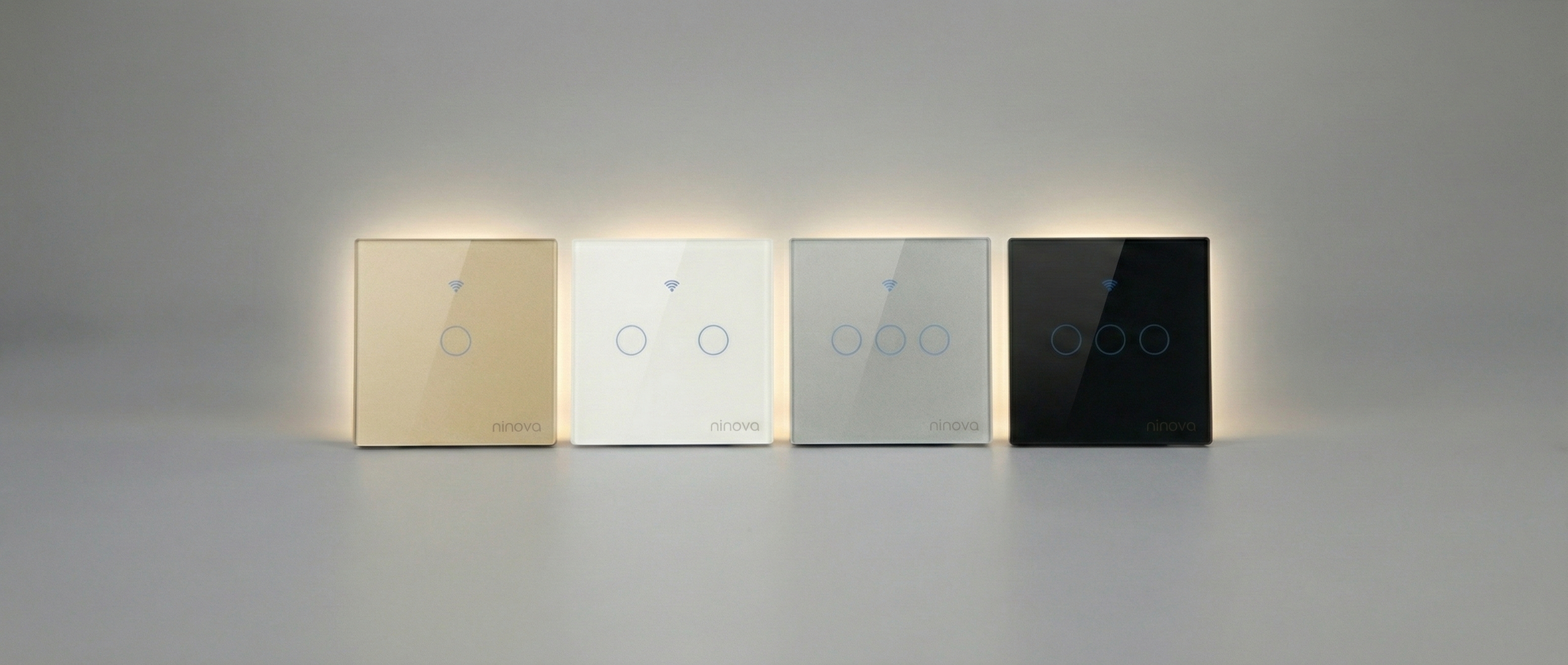
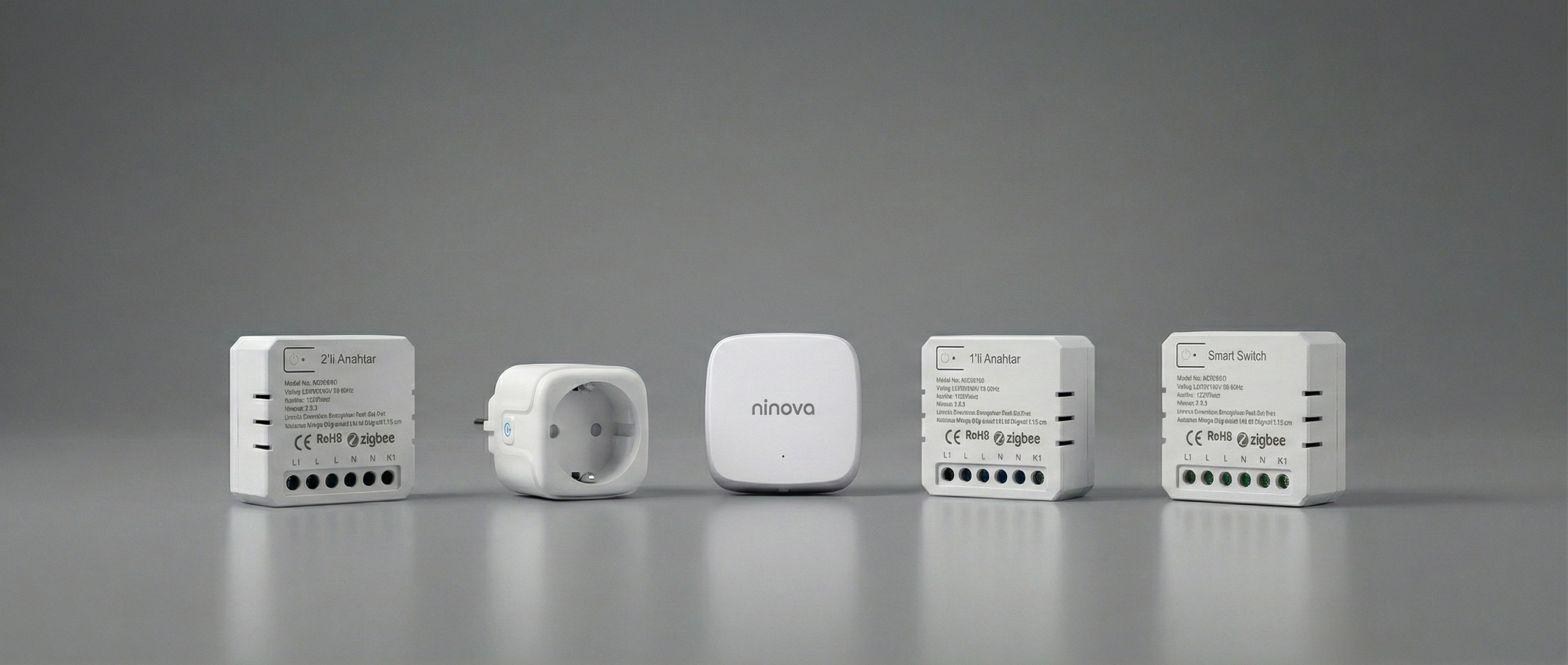
Smart home systems refer to technologies that allow homeowners to control and automate household devices through internet connectivity. These systems can manage lighting, heating, security, and appliances from a centralized platform.
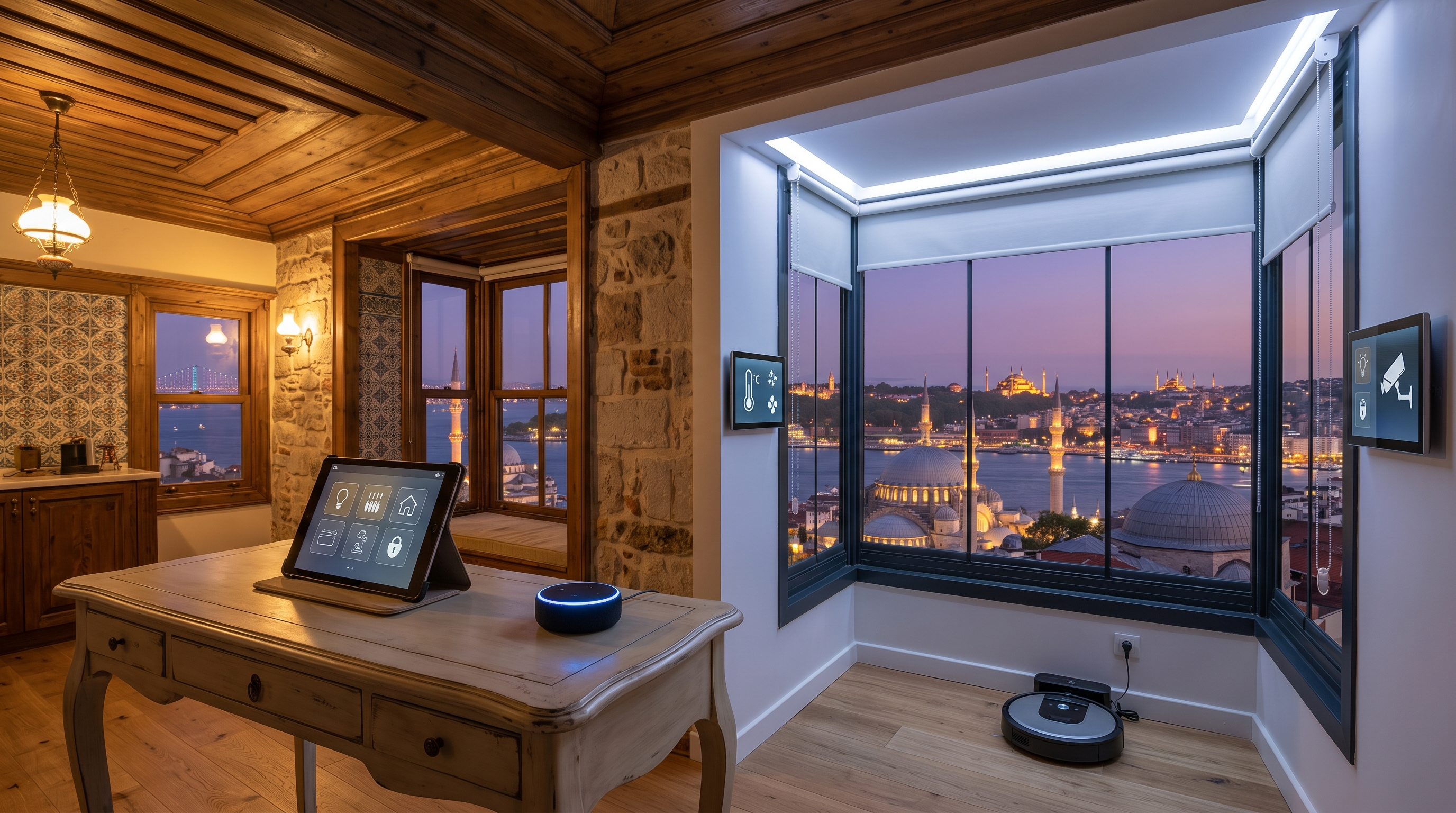
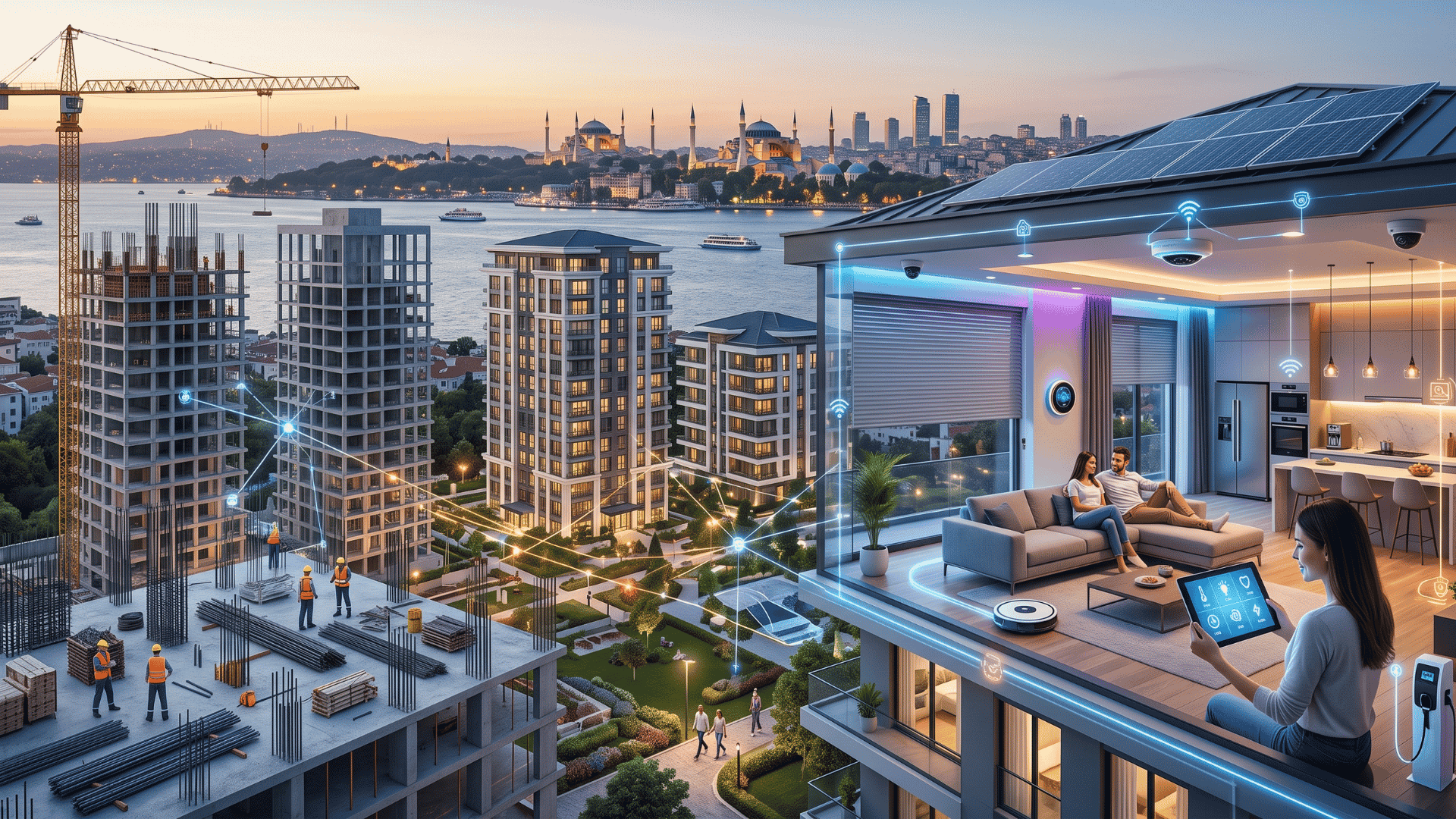
With its rich history spanning centuries, İstanbul stands out not only for its cultural heritage but also for its rapid technological transformation. In recent years, the rise of smart home systems has begun reshaping everyday life in this unique metropolis. The integration of modern technology into traditional living spaces offers residents enhanced comfort, efficiency, and security.
In this article, we explore the evolution of smart home systems in Istanbul, their applications, advantages, and future potential.
What Are Smart Home Systems?
Smart home systems refer to technologies that allow homeowners to control and automate household devices through internet connectivity. These systems can manage lighting, heating, security, and appliances from a centralized platform.
Typically, smart home systems operate via:
- Mobile applications
- Voice assistants
- Sensors and automation devices
Users can monitor and control their homes remotely, improving convenience and optimizing energy usage.
Growing Demand for Smart Home Systems in Istanbul
As a fast-paced мегacity, İstanbul has seen increasing demand for technologies that simplify daily life. Over the past decade, smart home features have become standard in many newly developed residential projects.
Key reasons behind this growth:
- Urban lifestyle: Demand for time-saving solutions
- Security concerns: Increased use of smart surveillance systems
- Energy costs: Rising interest in energy-efficient solutions
- Tech adoption: A young, tech-savvy population
Integrating Smart Technology into Historical Buildings
One of the most unique aspects of Istanbul is the coexistence of historical architecture and modern living. However, this also presents challenges when implementing smart home systems.
Common challenges:
- Infrastructure limitations in older buildings
- Preservation of architectural aesthetics
- Regulatory and conservation restrictions
Despite these obstacles, advancements in wireless technologies now make it possible to install smart systems with minimal structural intervention, preserving the historical integrity of buildings.
Advantages of Smart Home Systems
1. Energy Efficiency
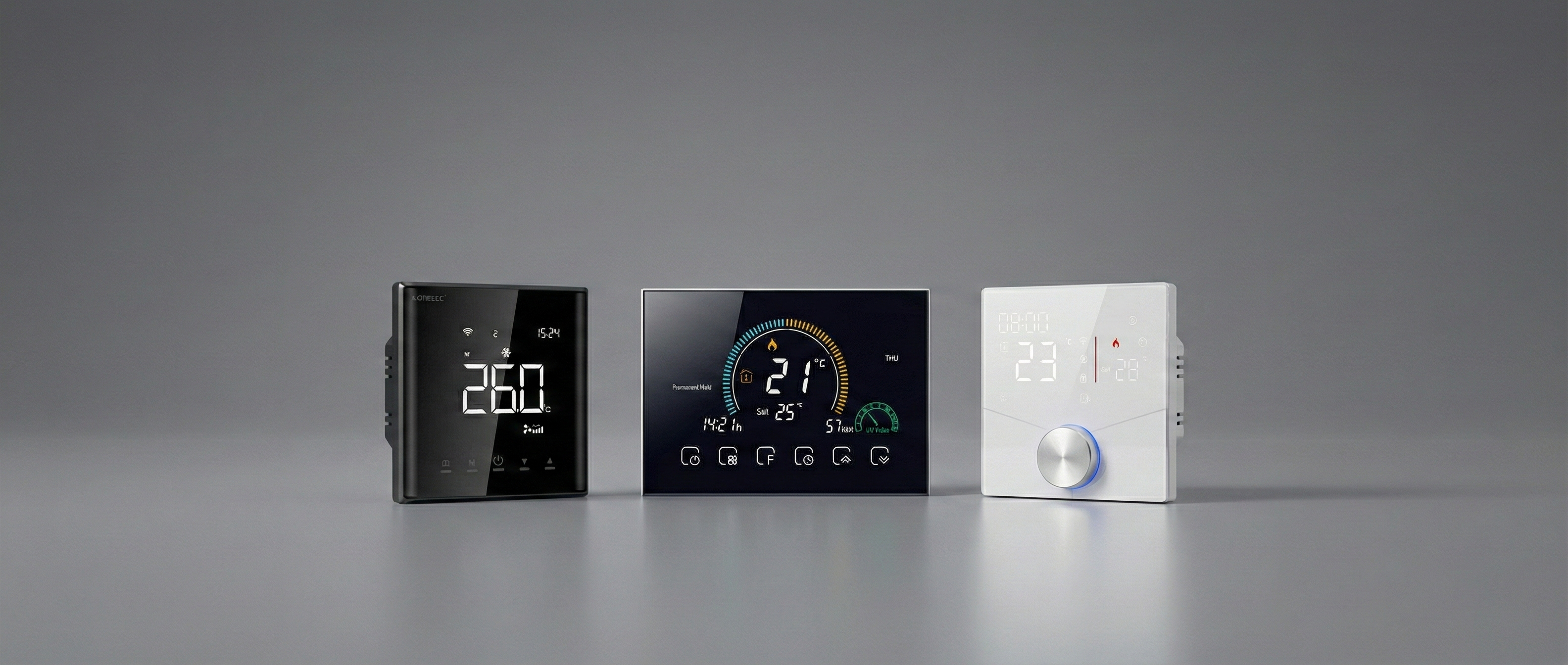
Smart thermostats and lighting systems help optimize energy consumption, reducing both environmental impact and utility bills.
2. Security
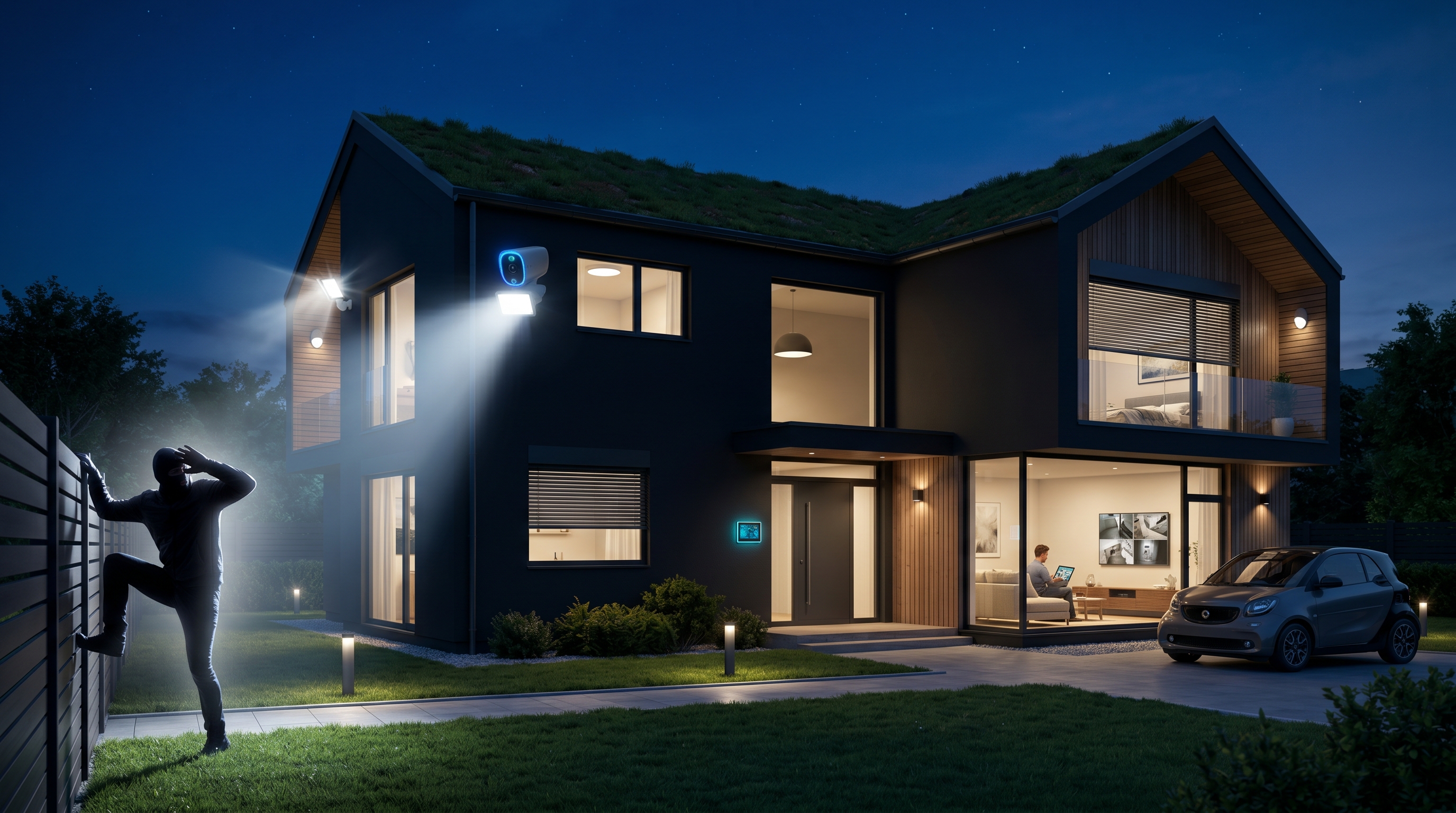
Advanced security features such as smart cameras, motion sensors, and remote monitoring provide enhanced protection. Homeowners can check their property from anywhere in the world.
3. Comfort and Convenience
Smart homes allow seamless control of multiple systems. For example:
- Automated curtains
- Adaptive lighting based on natural light
- Remote-controlled heating systems
4. Time Saving
Automation of daily routines allows users to save valuable time and focus on more important tasks.
Smart Home Trends in New Residential Projects
In İstanbul, smart home technologies are no longer a luxury but a standard feature, especially in modern housing developments.
Common features include:
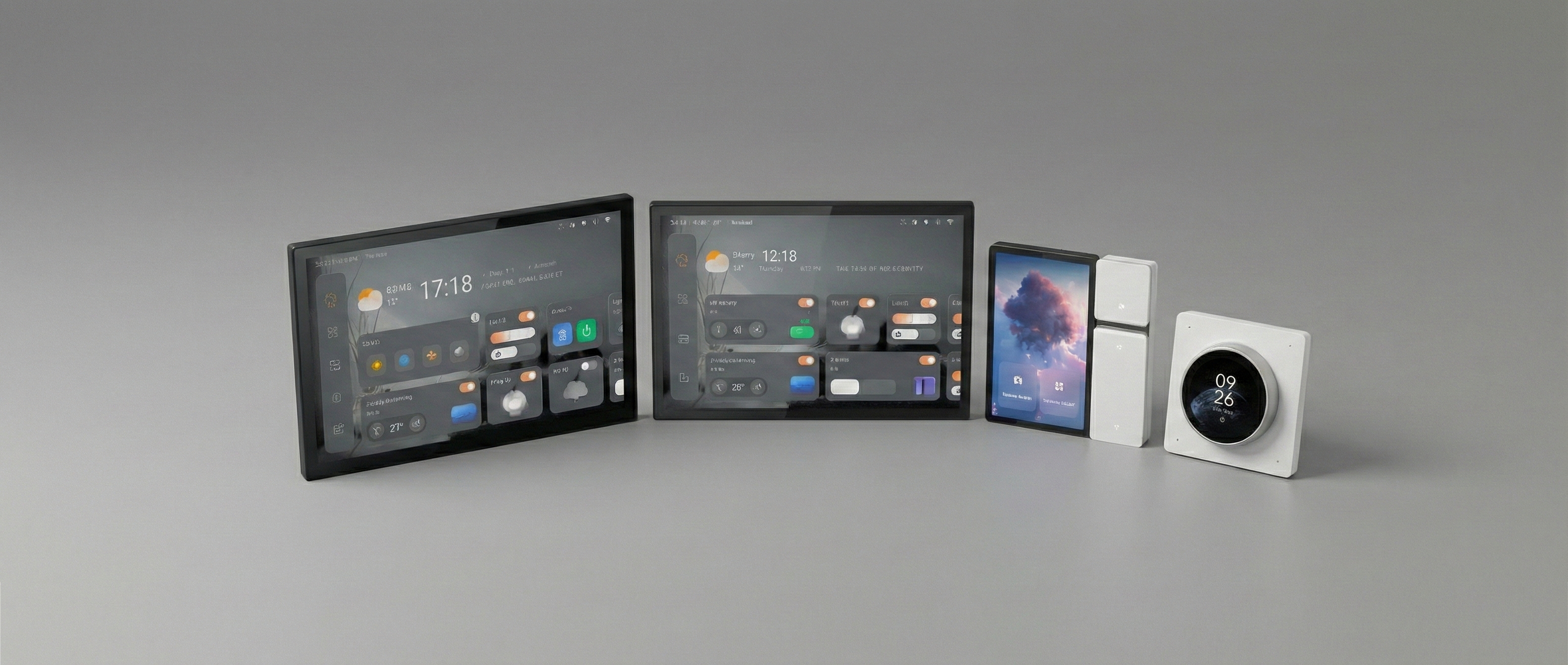
- Centralized automation systems
- Integrated security infrastructure
- Energy management solutions
- Mobile app connectivity
These features have also become a key competitive factor in the real estate market.
Cost of Smart Home Systems
The cost of implementing smart home systems varies depending on the level of integration and technology used.
General cost categories:
- Entry-level systems: Basic functionality at lower cost
- Mid-range solutions: Broader control and flexibility
- Premium systems: Full automation and advanced integration
In Istanbul, costs typically depend on property size and user requirements. However, long-term savings often offset the initial investment.
Smart Homes and Sustainability
Sustainability is becoming increasingly important in large cities. In a densely populated city like İstanbul, energy efficiency plays a critical role.
Smart home systems contribute by:
- Reducing unnecessary energy consumption
- Optimizing water usage
- Lowering carbon footprint
They are a key component of environmentally responsible urban living.
The Future of Smart Homes in Istanbul
With rapid technological advancements, the future of smart home systems looks promising. Innovations in artificial intelligence and IoT (Internet of Things) will further enhance these systems.
Expected developments:
- More personalized automation
- AI-driven decision-making systems
- Fully integrated smart city infrastructures
- Smart neighborhoods and communities
Istanbul is expected to be one of the leading cities in adopting these innovations.