What Is a Smart Home Systems Dealership? How Can You Become a Dealer?
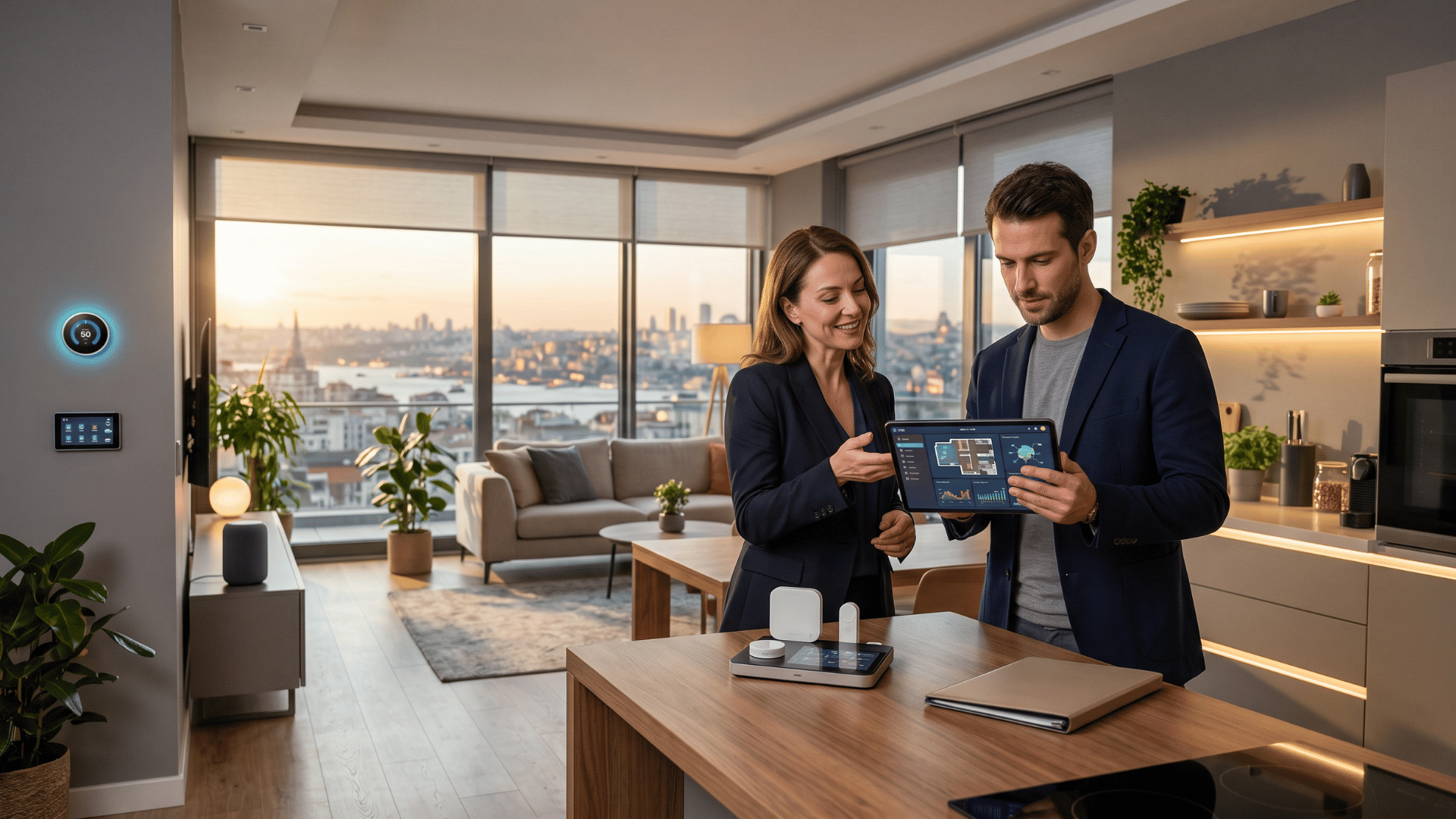
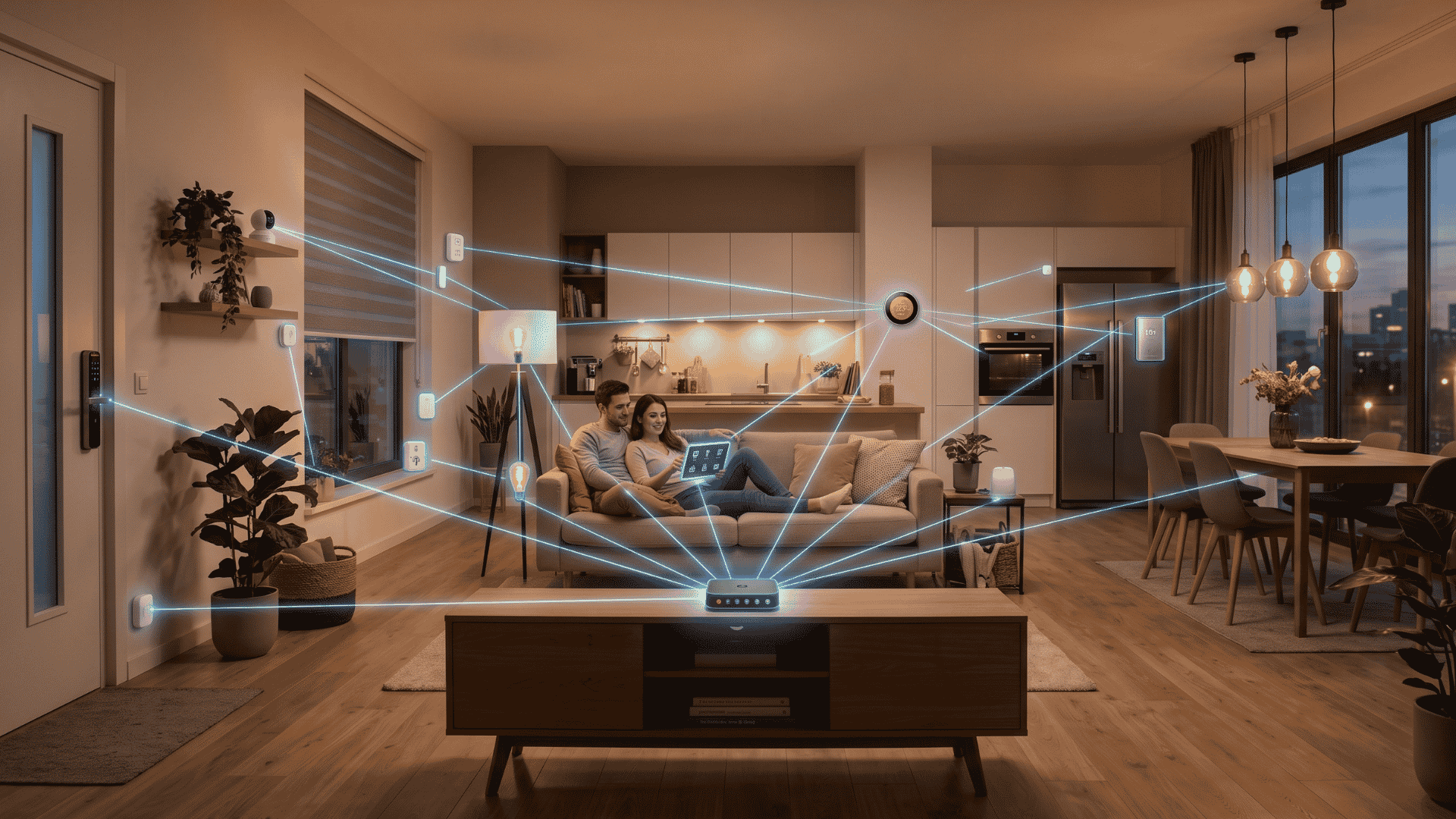
Smart home technologies are rapidly becoming a part of modern homes, offices, villas, residential projects, and commercial buildings. Today, many systems such as lighting, security, climate control, curtains and blinds, smart door locks, and energy management can be controlled from a single system or mobile application.
This rapid growth is also creating new business opportunities for entrepreneurs who want to enter the technology sector. One of these opportunities is becoming a smart home systems dealer.
A smart home systems dealership allows entrepreneurs and businesses to enter the growing smart home market by selling, installing, and supporting smart home products and solutions. Depending on the business model, dealers can provide services to individual customers as well as construction companies, architects, contractors, and large-scale residential projects.
If you are interested in becoming a smart home systems dealer or business partner, you can contact Ninova to learn more about dealership and partnership opportunities.
You can also visit the Ninova official website to learn more about the company, its products, and its smart home solutions.
To explore the available products and solutions in more detail, you can also visit Ninova's smart home systems page.
So, what exactly is a smart home systems dealership, who can become a dealer, and what should you consider before starting this type of business?
What Is a Smart Home Systems Dealership?
A smart home systems dealership is a business partnership model in which a dealer sells and promotes a brand's smart home products and solutions under agreed commercial terms.
A smart home dealer does not necessarily have to be limited to product sales. Depending on the brand's business model and the dealer's capabilities, services may include:
- Product sales
- Customer consultation
- Site surveys
- Project planning
- System design
- Installation
- System configuration
- Technical support
- After-sales service
This makes smart home dealerships different from traditional technology retail businesses.
A customer may only need a smart lighting system, while another customer may want a complete solution including lighting, security sensors, a smart door lock, thermostat, intercom, curtains, and mobile control.
In such cases, the dealer's role is not simply to sell a device. The dealer provides a complete smart living solution based on the customer's needs.
Why Is the Smart Home Industry Growing?
Technology is becoming an increasingly important part of everyday life. As consumer expectations change, homeowners are looking for solutions that provide greater comfort, security, energy efficiency, and control.
Smart home systems can address many of these needs.
With a smart home system, users can:
- Control lights remotely
- Monitor doors and windows
- Receive notifications when motion is detected
- Receive alerts for water leaks or other potential risks
- Control smart door locks
- Adjust heating and cooling systems remotely
- Automate curtains and blinds
- Manage intercom systems through mobile devices
- Create automated scenarios
- Control multiple devices from a single application
This wide range of applications creates opportunities for smart home dealers to provide customized solutions for different types of customers.
Who Can Become a Smart Home Systems Dealer?
You do not necessarily need to be a large technology company to become a smart home dealer.
Businesses operating in electrical systems, electronics, security systems, automation, computers, networking, construction, or technology can potentially add smart home solutions to their existing business models.
Electrical and Electronics Companies
Companies with experience in electrical installations and electronic systems can have an advantage when installing and configuring smart home products.
Security System Companies
Security companies can expand their product portfolios by offering smart sensors, smart locks, automation solutions, and other connected devices alongside alarm, camera, and intercom systems.
Construction Companies and Contractors
As smart home technologies become increasingly common in residential projects, construction companies and contractors can benefit from offering smart home solutions as part of their projects.
Technology Stores
Businesses already selling computers, networking equipment, electronics, or technology products can introduce smart home products to their existing customer base.
Entrepreneurs Looking for a New Business Opportunity
Entrepreneurs who want to establish a business in the technology sector can also consider smart home systems as a potential long-term business opportunity.
What Are the Requirements for Becoming a Smart Home Dealer?
The requirements for becoming a dealer vary from one brand to another. Therefore, there is no single standard dealership requirement that applies to every company.
However, several factors can contribute to the success of a smart home dealership.
First, strong communication and sales skills are important. Smart home systems are not always products that can be sold simply by explaining technical specifications. Customers also need to understand how the system will make their daily lives more comfortable, secure, and convenient.
Technical knowledge can also provide a significant advantage. Understanding how the products work, how they communicate with each other, and how basic installation processes work can help dealers provide better customer service.
A successful smart home dealer should also be comfortable working on a project basis. Villa projects, residential developments, apartments, and commercial buildings may require customized solutions rather than standard product sales.
How Can You Become a Smart Home Systems Dealer?
Entrepreneurs interested in becoming a smart home dealer should first research the brands operating in the industry.
Choosing a dealership should not be based solely on product prices. Other factors such as product variety, technical support, supply availability, training, warranty policies, after-sales support, marketing assistance, and the brand's position in the market should also be considered.
The dealership process generally includes the following steps:
1. Research Smart Home Brands
The first step is to research different smart home brands and evaluate their products, solutions, target markets, and business models.
2. Contact the Brand
After identifying suitable brands, the potential dealer can contact the company to request information about dealership or business partnership opportunities.
3. Discuss the Business Model
The brand and potential dealer can discuss important topics such as territory, products, sales channels, technical services, project support, and commercial terms.
4. Plan the Technical and Sales Process
The dealer determines which products to offer, how installations will be handled, and how customers will receive technical and after-sales support.
5. Start Sales Activities
Once the necessary preparations are completed, the dealer can begin promoting and selling smart home solutions within its target market.
Businesses interested in learning more about becoming a Ninova dealer or business partner can contact Ninova directly.
Which Products Can Smart Home Dealers Sell?
The smart home industry includes a wide range of products and technologies. This variety can provide dealers with opportunities to serve different customer needs.
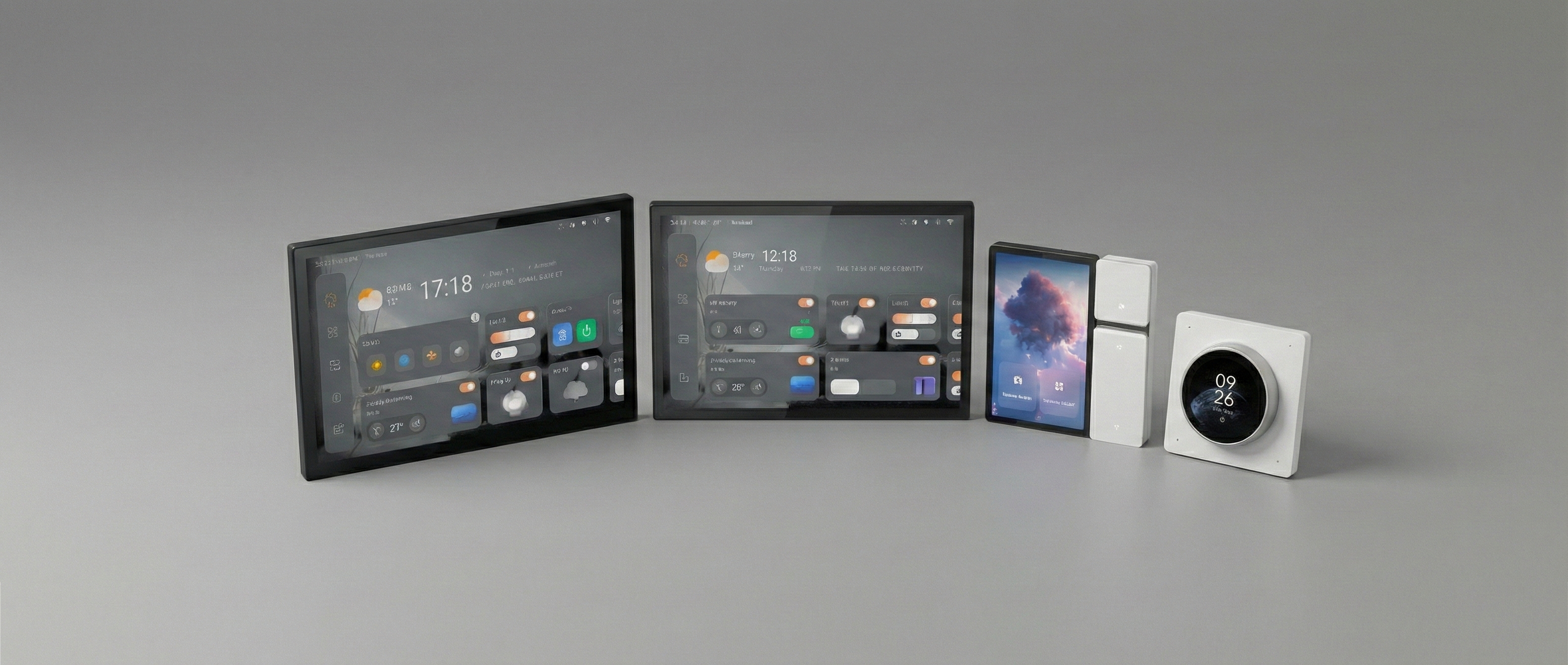
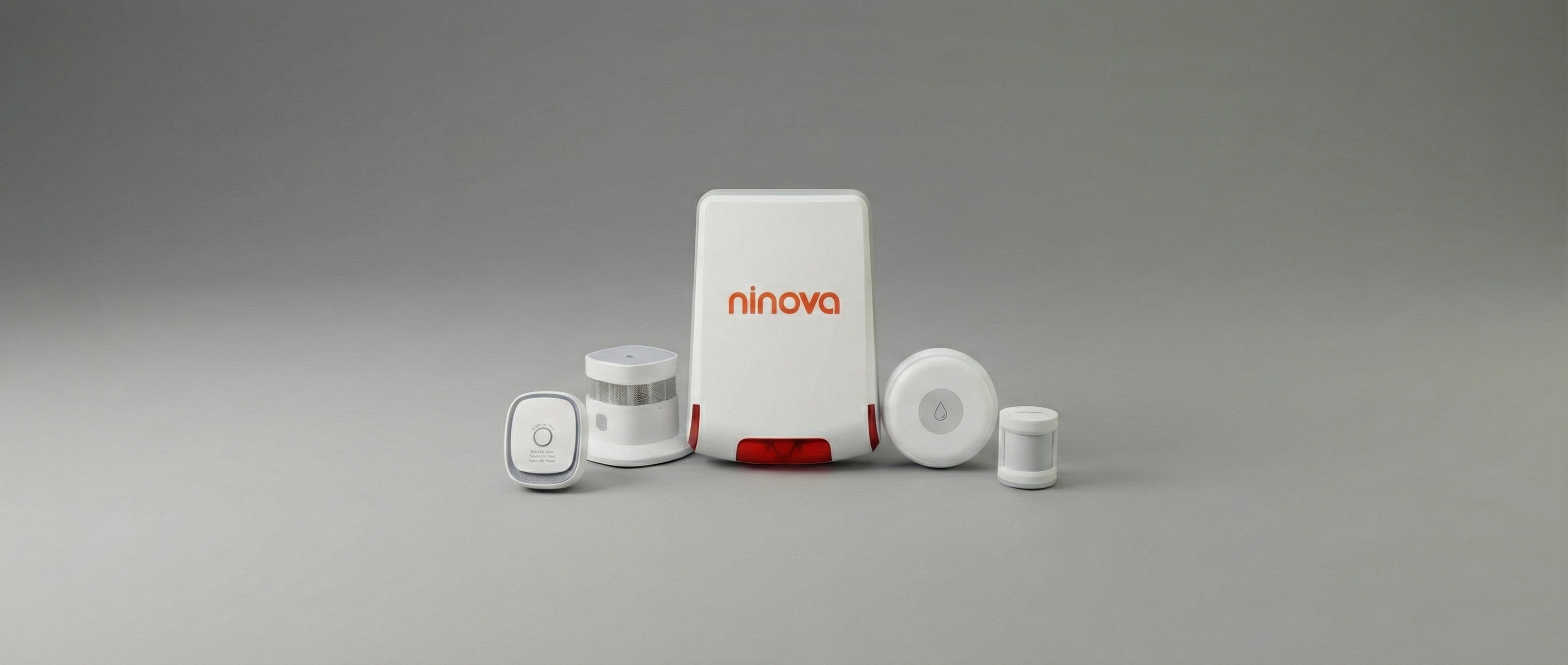
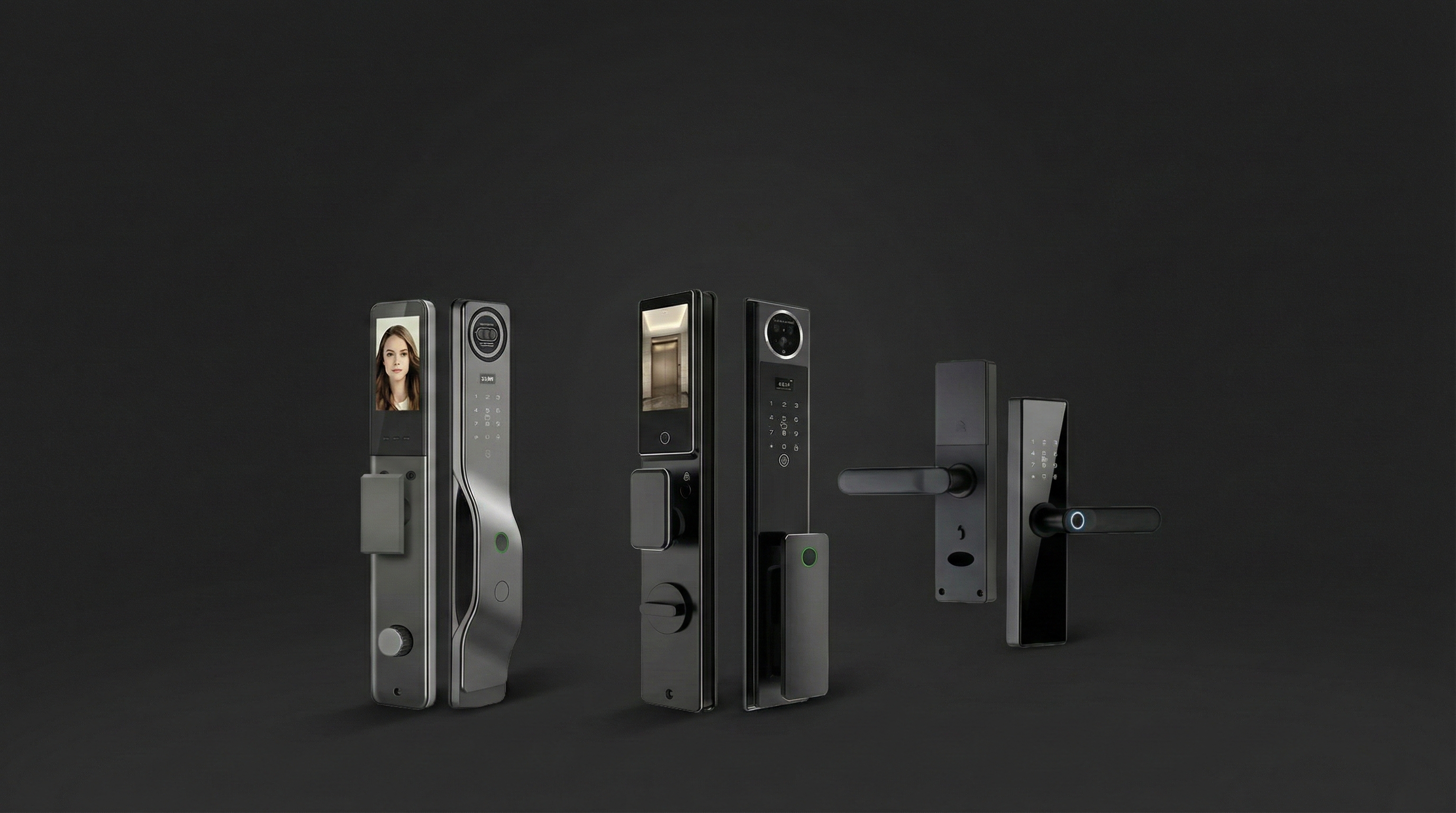
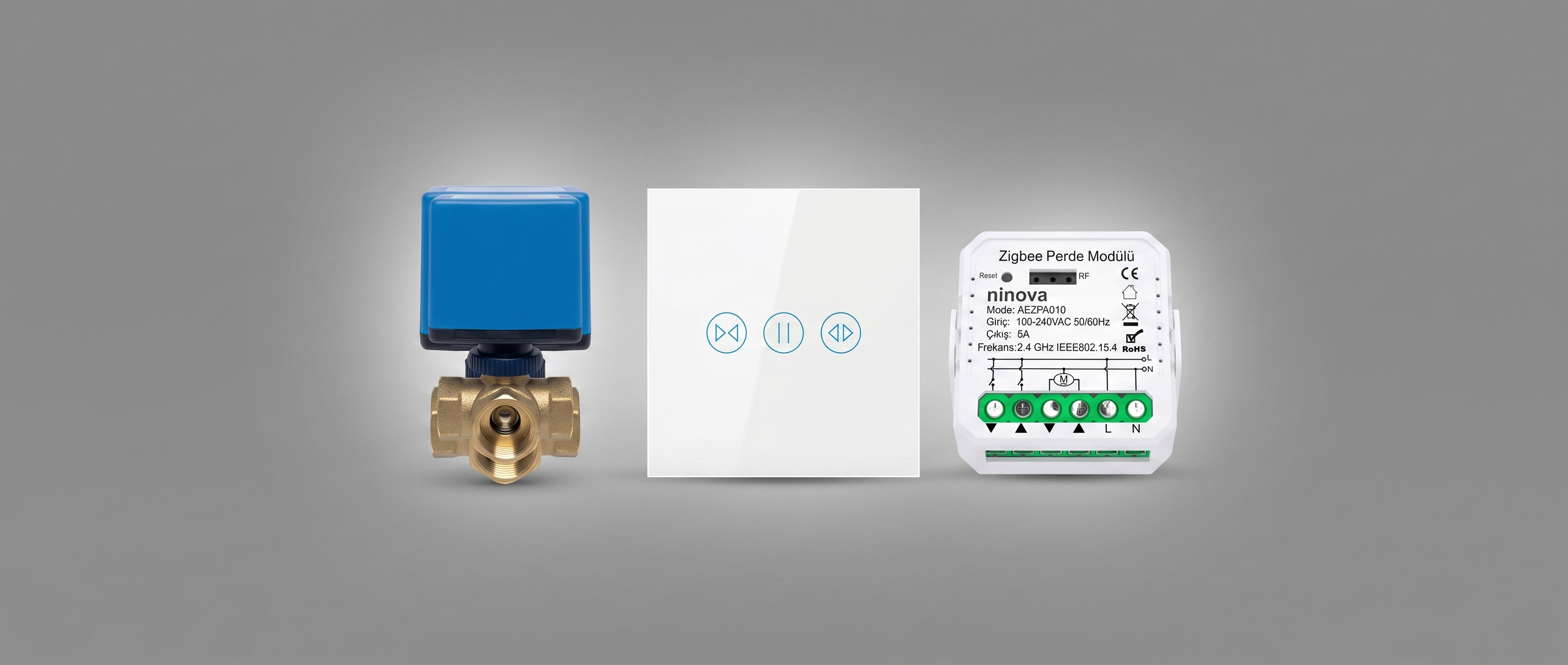
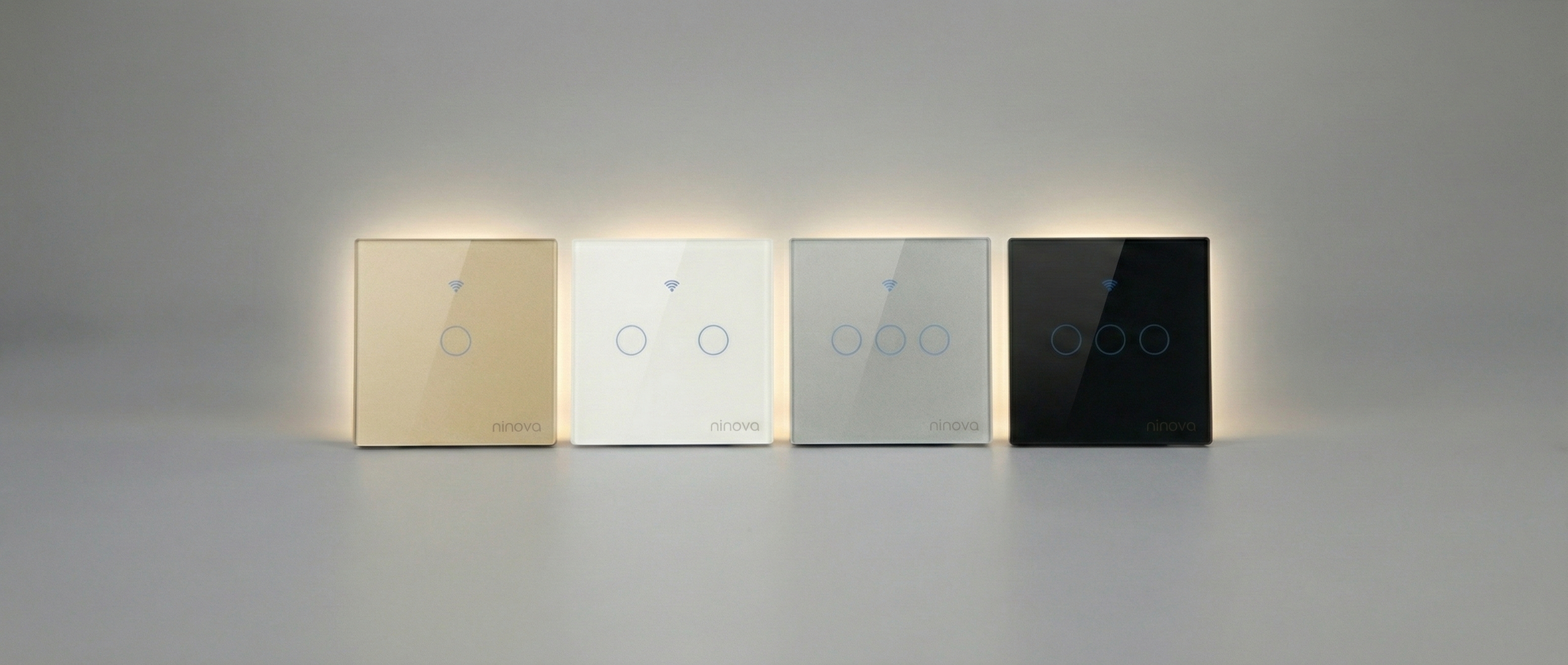
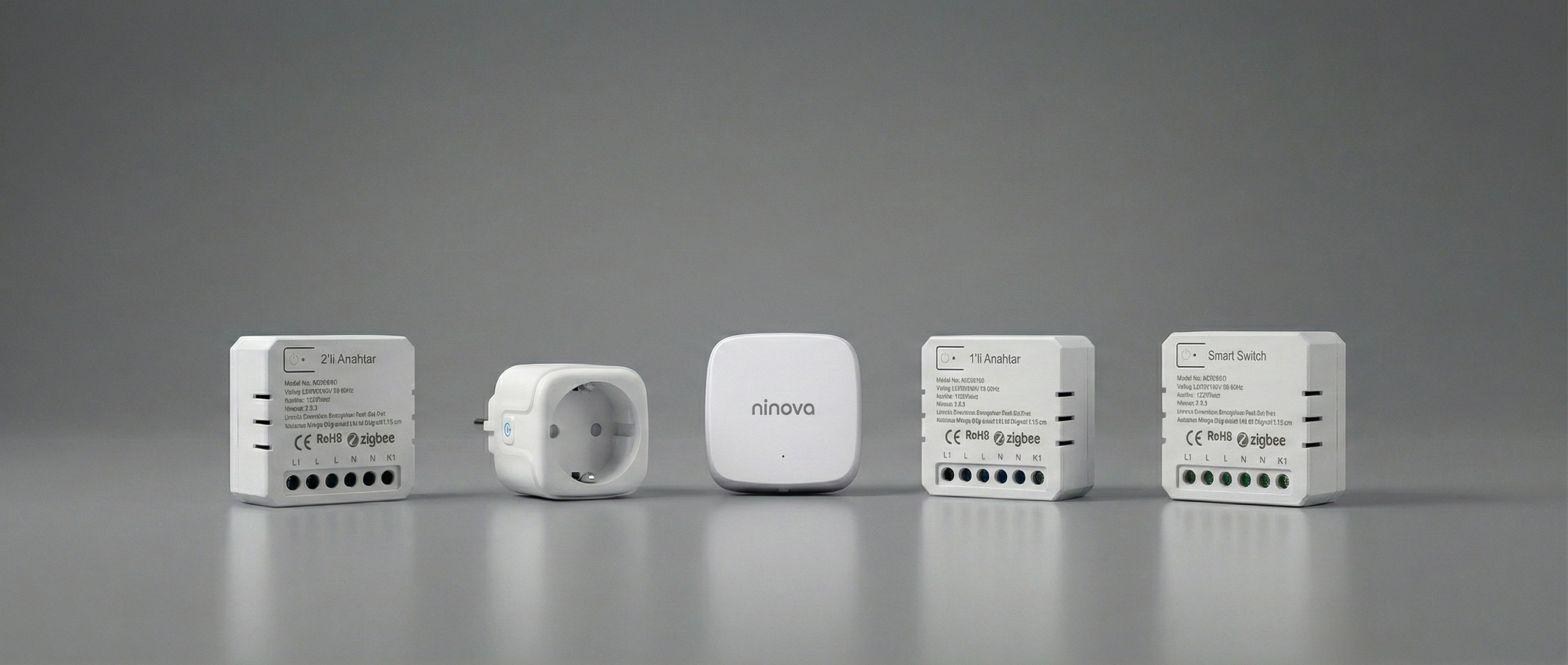
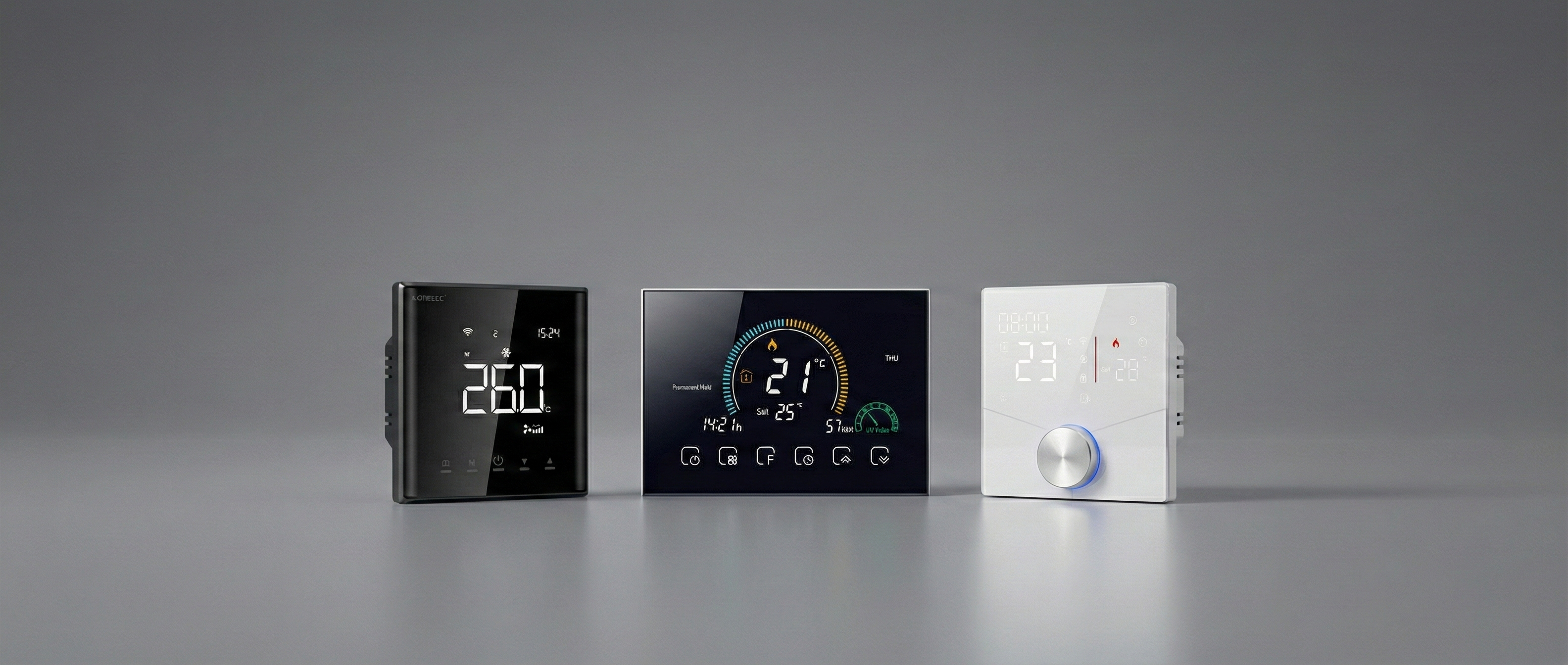
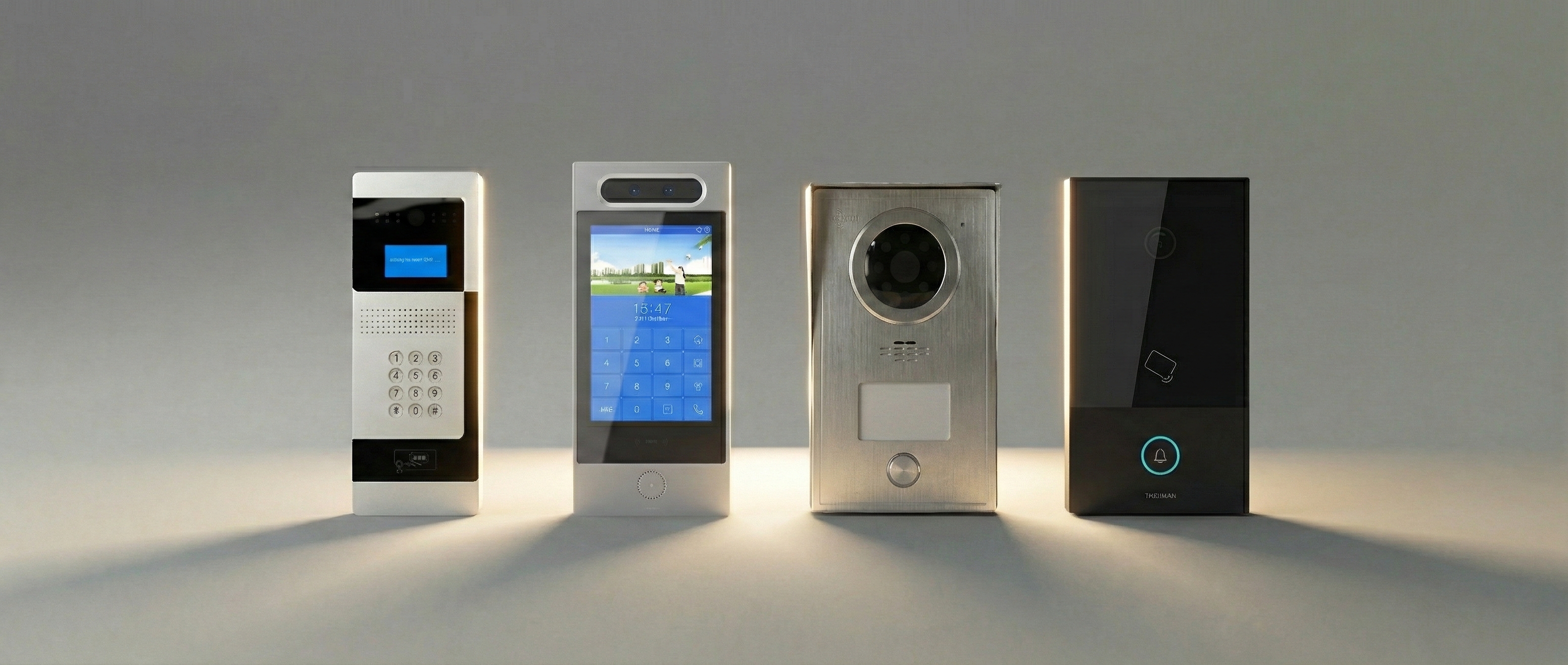
Ninova offers solutions across several smart home categories, including smart home control panels, smart sensors, smart door locks, comfort and automation systems, lighting control systems, gateways, switches, climate and energy management products, intercom systems, and video door entry solutions.
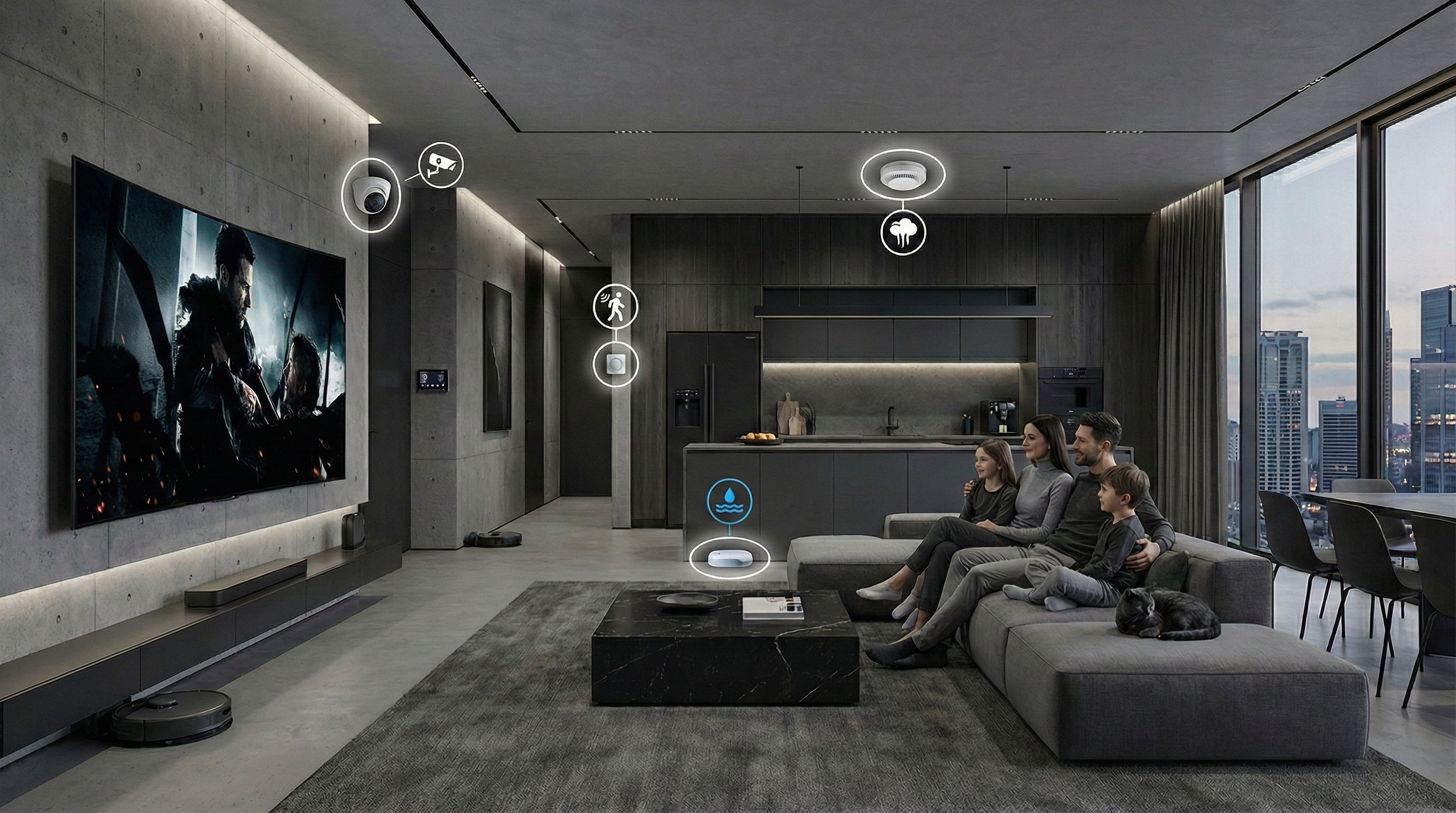
For example, a customer primarily concerned with security may be interested in door and window sensors, motion sensors, water leak sensors, gas sensors, smoke detectors, or alarm sirens.
A customer focused on comfort may be interested in smart thermostats, smart lighting controls, smart switches, and automation solutions.
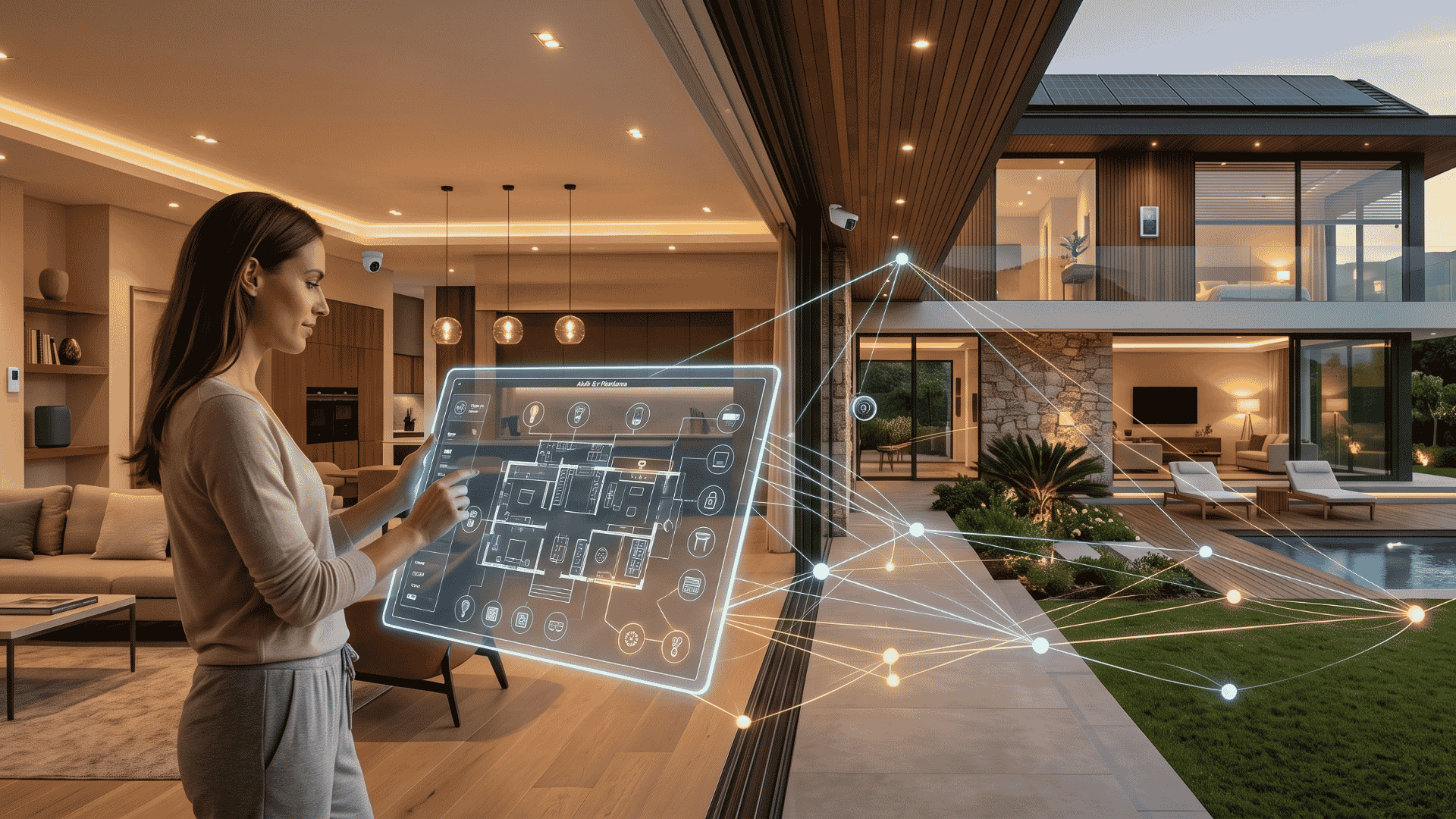
For villas and residential projects, smart door locks, video intercom systems, control panels, and integrated automation solutions can be combined to create a comprehensive smart home system.
This means that dealers do not have to focus on selling a single product. They can create integrated smart home solutions by combining multiple products according to the customer's requirements.
Is Technical Knowledge Important for Smart Home Dealers?
Yes. Technical knowledge is an important advantage in the smart home industry.
However, this does not necessarily mean that every dealer needs to be an engineer or a highly specialized technician. Understanding the products, their basic operating principles, installation requirements, and connectivity options is often a valuable starting point.
Smart home products can use different communication technologies, including Wi-Fi, Zigbee, RF, and IP-based communication.
Understanding these differences can help dealers design more appropriate solutions.
For example, some Zigbee devices may require a gateway or hub, while certain Wi-Fi devices can connect directly to a wireless network.
Being able to explain these differences clearly can improve both the sales process and customer satisfaction.
How Can a Smart Home Dealer Build a Customer Base?
Building a strong customer base is one of the most important factors in the success of a dealership.
Smart home dealers do not have to focus exclusively on individual homeowners. Potential customers can include:
- Construction companies
- Contractors
- Architects
- Interior designers
- Electrical companies
- Security companies
- Property developers
- Villa projects
- Residential developments
- Property management companies
- Commercial businesses
New residential projects can provide particularly valuable opportunities because smart home systems can be considered during the design and construction stages.
Dealers can establish partnerships with construction companies, architects, and contractors to participate in new projects.
Digital marketing can also play an important role. A professional website, Google visibility, social media, local advertising, customer referrals, and project showcases can help dealers reach potential customers.
Is a Smart Home Systems Dealership Profitable?
The answer to the question "Is a smart home dealership profitable?" depends on many factors.
Sales volume, product categories, project size, target market, operating costs, customer portfolio, pricing strategy, and sales performance can all affect profitability.
However, smart home systems can provide different business opportunities because dealers can sell multiple products and create customized project-based solutions.
For example, instead of selling a single sensor to a customer, a dealer may provide a complete security, lighting, climate control, and access management solution.
This can increase the overall value of a project.
The key is not simply selling more products, but understanding customer needs and providing the right solution.
What Should You Consider Before Becoming a Smart Home Dealer?
Before signing a dealership agreement, entrepreneurs should carefully evaluate the brand and its business model.
Important factors include:
- Product variety
- Product quality
- Technical specifications
- Product availability
- Delivery times
- Warranty policies
- After-sales support
- Technical support
- Training opportunities
- Marketing support
- Project assistance
- Integration capabilities
- Brand recognition
- Target customer profile
- Commercial terms
The dealership agreement should also be carefully reviewed before making an investment decision.
The business model should be evaluated according to the company's financial capabilities, local market conditions, sales potential, and long-term growth objectives.
Does the Smart Home Industry Have a Future?
Smart home technology is gradually moving beyond the concept of being a luxury solution used only in high-end homes.
Security, energy efficiency, convenience, remote access, and automation are becoming increasingly important to homeowners and businesses.
Smart sensors, energy management, access control, climate management, lighting automation, and integrated home control systems can serve both residential and commercial markets.
This makes the smart home industry an area worth considering for entrepreneurs who want to build a business around technology and automation.
Conclusion: Enter the Future with a Smart Home Systems Dealership
A smart home systems dealership can provide entrepreneurs with an opportunity to enter a growing technology market that combines automation, security, comfort, energy management, and connected devices.
Success in this industry requires choosing the right brand, understanding the products, identifying customer needs, providing professional service, and maintaining strong after-sales support.
Ninova offers a broad range of smart home solutions, including control panels, smart sensors, smart door locks, lighting solutions, climate control products, automation systems, and intercom solutions.
If you are interested in starting a business in the smart home industry or expanding your existing technology, electrical, security, or construction business, a Ninova dealership may be an opportunity worth exploring.
To learn more about Ninova smart home systems dealership and business partnership opportunities, contact Ninova and discover how you can become part of the growing smart home industry.