Make Everyday Life Easier with Smart Home Automation Scenarios
Make Everyday Life Easier with Smart Home Automation Scenarios
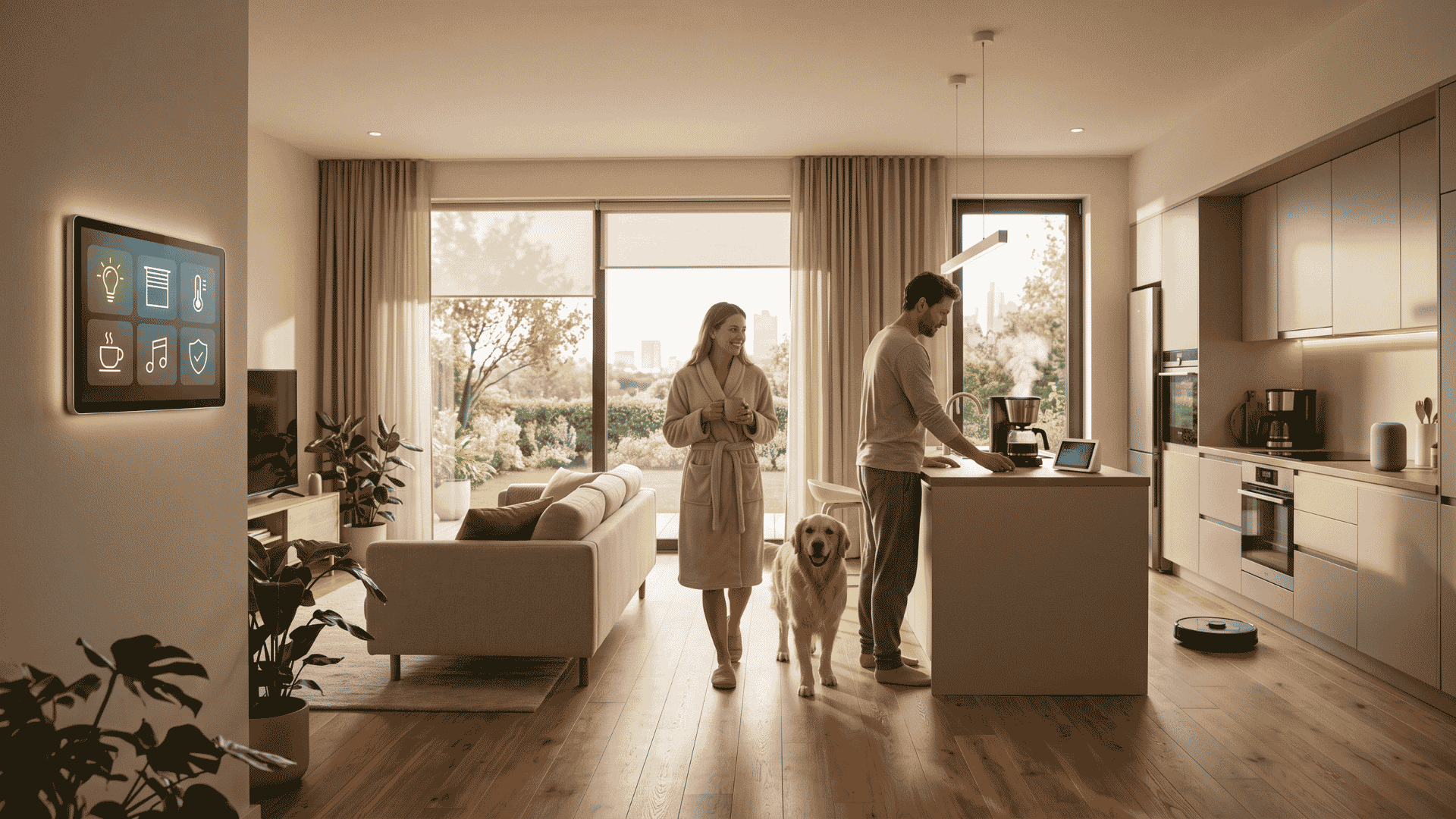
Technology is no longer limited to our smartphones and computers—it has become an integral part of our living spaces. Thanks to modern smart home systems, your home can understand your daily habits, automate routine tasks, and create a more comfortable lifestyle.
Imagine arriving home to perfectly adjusted lighting, the ideal room temperature, and your favorite music already playing. Or leaving your house with a single tap that automatically turns off the lights, locks the doors, activates the alarm system, and switches off unnecessary electrical devices.
These experiences are made possible through smart home automation scenarios.
In this guide, we'll explain what smart home scenarios are, how they work, and how they can transform your everyday life while improving comfort, security, and energy efficiency.
What Are Smart Home Automation Scenarios?
A smart home scenario is a predefined automation that allows multiple smart devices to perform specific actions simultaneously or in sequence based on a trigger.
These triggers may include:
- Time of day
- Your location
- Motion detection
- Door or window sensors
- Temperature
- Humidity
- Sunrise or sunset
- Voice commands
- A single touch on a smart control panel
For example, when you activate an "Leaving Home" scenario, your system can instantly:
- Turn off all lights
- Switch off the air conditioning
- Close the curtains
- Lock the doors
- Activate the security alarm
- Enable surveillance cameras
All of this happens automatically within seconds.
Why Are Smart Home Scenarios Important?
Many people think smart homes simply allow them to control lights remotely. In reality, the true value lies in automation.
Smart home scenarios help you:
- Save time
- Increase comfort
- Improve home security
- Reduce energy consumption
- Simplify daily routines
- Eliminate repetitive manual tasks
Instead of controlling every device individually, your home works intelligently on your behalf.
1. Good Morning Scenario
Your home can help you start each day comfortably.
At your scheduled wake-up time, the system can automatically:
- Open the curtains
- Gradually brighten the bedroom lights
- Adjust the room temperature
- Start your coffee machine
- Warm the bathroom before you enter
This creates a pleasant and stress-free morning routine.
2. Leaving Home Scenario
One of the most commonly used automations is the "Leaving Home" scenario.
With a single button press, your home can:
- Turn off every light
- Shut down unnecessary electrical appliances
- Switch off heating or cooling systems
- Lock smart door locks
- Activate the security alarm
- Enable surveillance cameras
You'll never have to wonder whether you left the lights on or forgot to turn off an appliance.
3. Welcome Home Scenario
Using geolocation or a smart door lock, your system can recognize when you arrive home.
As soon as you enter, it can automatically:
- Turn on entrance lighting
- Illuminate your living room
- Adjust the indoor temperature
- Open selected curtains
- Play your favorite music
Your home welcomes you before you even settle in.
4. Movie Night Scenario
Transform your living room into a private cinema with one touch.
The Movie Mode can automatically:
- Close all curtains
- Dim the lights to 20%
- Turn on your TV
- Activate your sound system
- Disable unnecessary lighting
Entertainment becomes effortless.
5. Good Night Scenario
Instead of checking every room before bed, your smart home handles everything.
The system can:
- Turn off all lights
- Lock all doors
- Activate night security mode
- Adjust the thermostat for sleeping comfort
- Close curtains automatically
- Leave hallway lighting dimmed for nighttime safety
6. Vacation Mode
Leaving home for several days no longer means worrying about security.
Vacation Mode can:
- Randomly turn lights on and off
- Open and close curtains throughout the day
- Keep security cameras active
- Send instant notifications if motion is detected
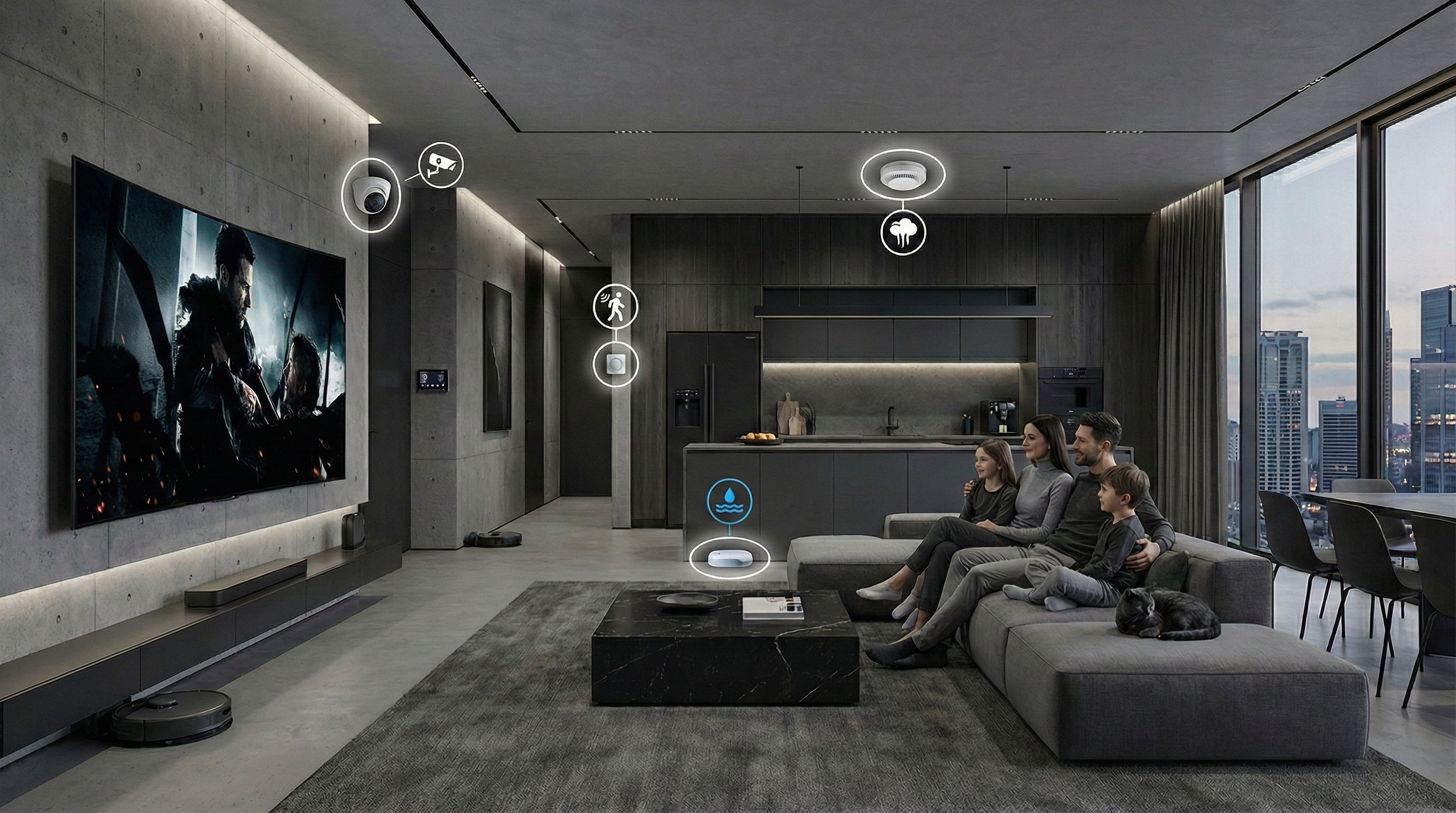
- Alert you immediately in case of water leaks or gas leaks
This makes your home appear occupied while providing continuous protection.
7. Energy Saving Scenario
Energy efficiency has become increasingly important.
Automation helps reduce unnecessary consumption by:
- Turning off lights in empty rooms
- Stopping HVAC systems when windows are open
- Using natural daylight whenever possible
- Automatically switching off idle smart plugs
Even small automations can significantly reduce annual electricity costs.
8. Family and Child Safety
Families with children benefit greatly from smart home automation.
Examples include:
- Monitoring children's room temperature
- Receiving notifications when doors are opened
- Motion sensors monitoring specific areas
- Viewing live security camera feeds remotely
Parents remain connected to their home, wherever they are.
9. Smart Living for Seniors
Smart home technology also supports independent living for elderly family members.
Automation scenarios may include:
- Motion-activated hallway lighting
- Emergency panic buttons
- Smoke and gas leak alerts
- Notifications if unusual inactivity is detected
These features improve both safety and peace of mind.
10. Smart Security Automation
Security is one of the biggest reasons homeowners invest in smart home systems.
Popular security automations include:
- Instant door opening notifications
- Motion-triggered camera recording
- Smoke detector alerts
- Water leak detection
- Gas leak monitoring
- Remote smart lock management
With real-time notifications, homeowners remain informed wherever they are.
Devices That Power Smart Home Scenarios
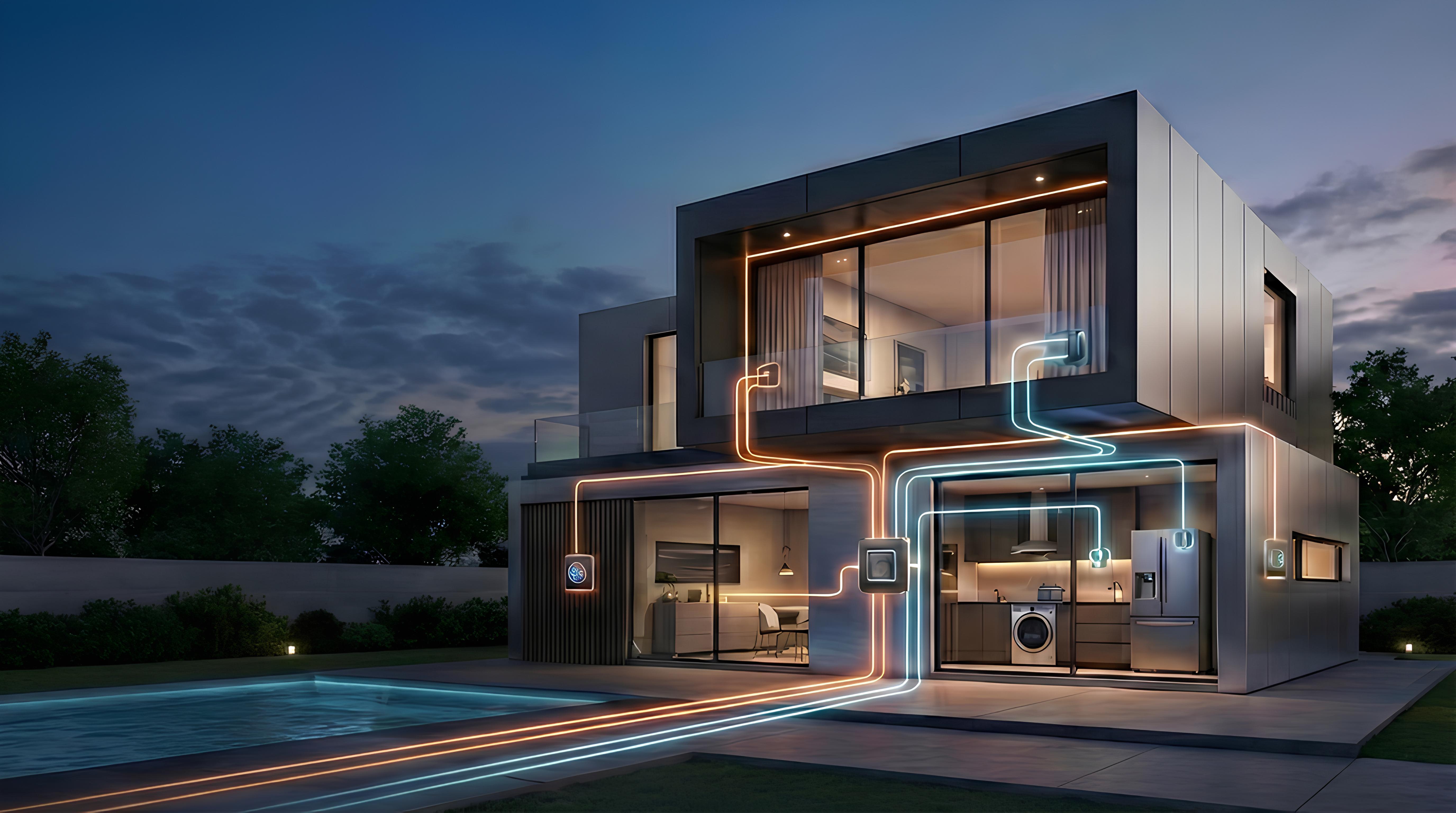
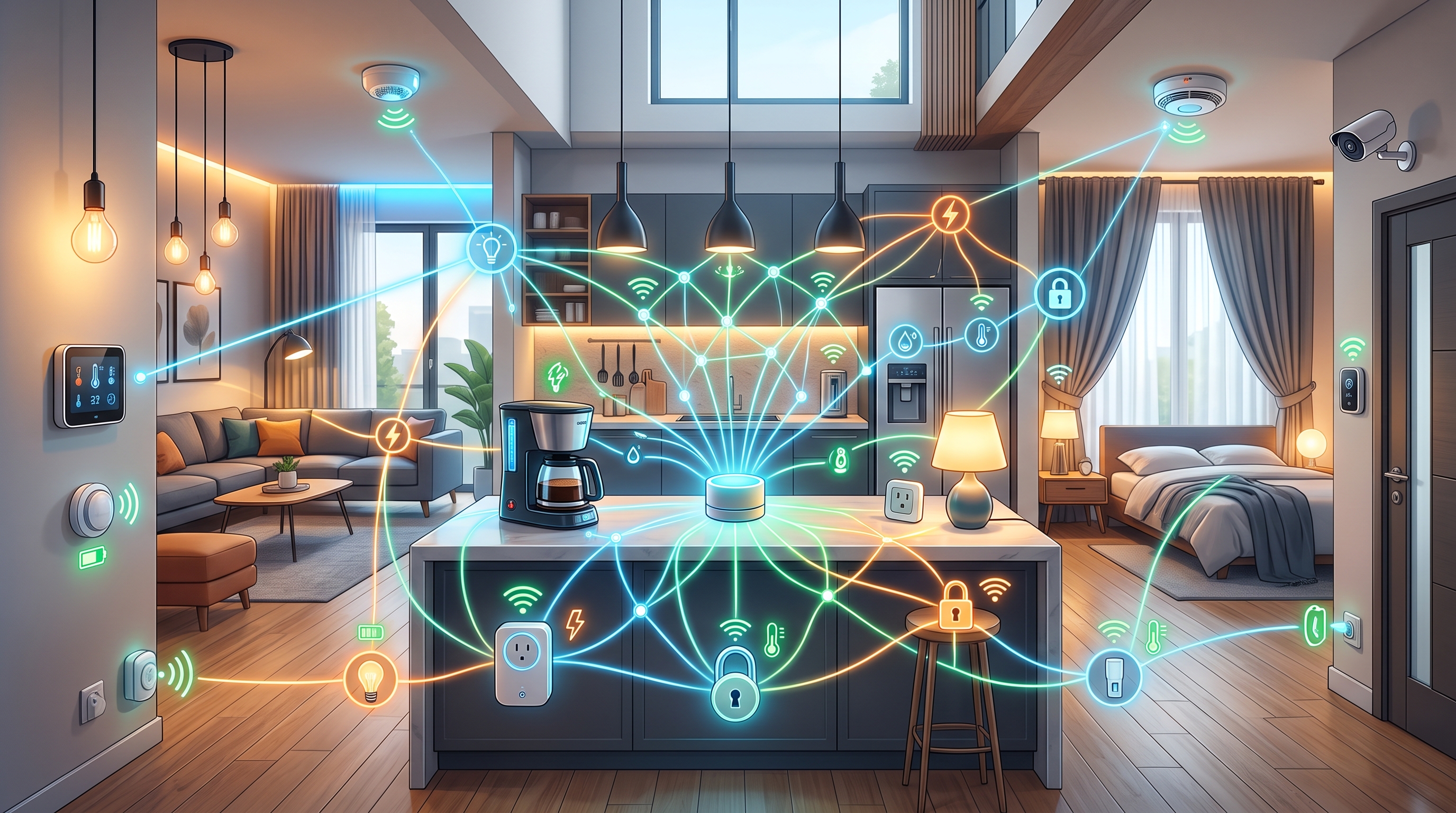
Creating a truly intelligent home requires devices working together as one ecosystem.
Common smart home devices include:
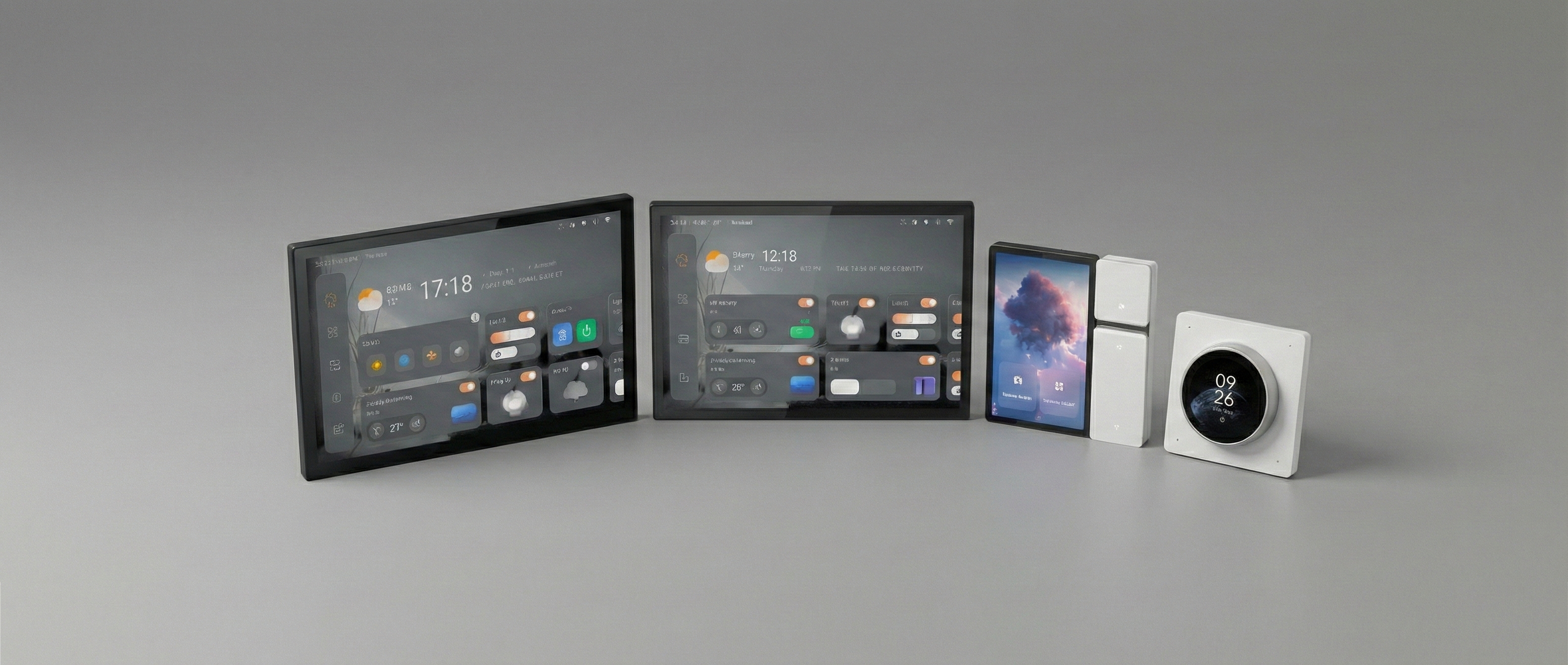
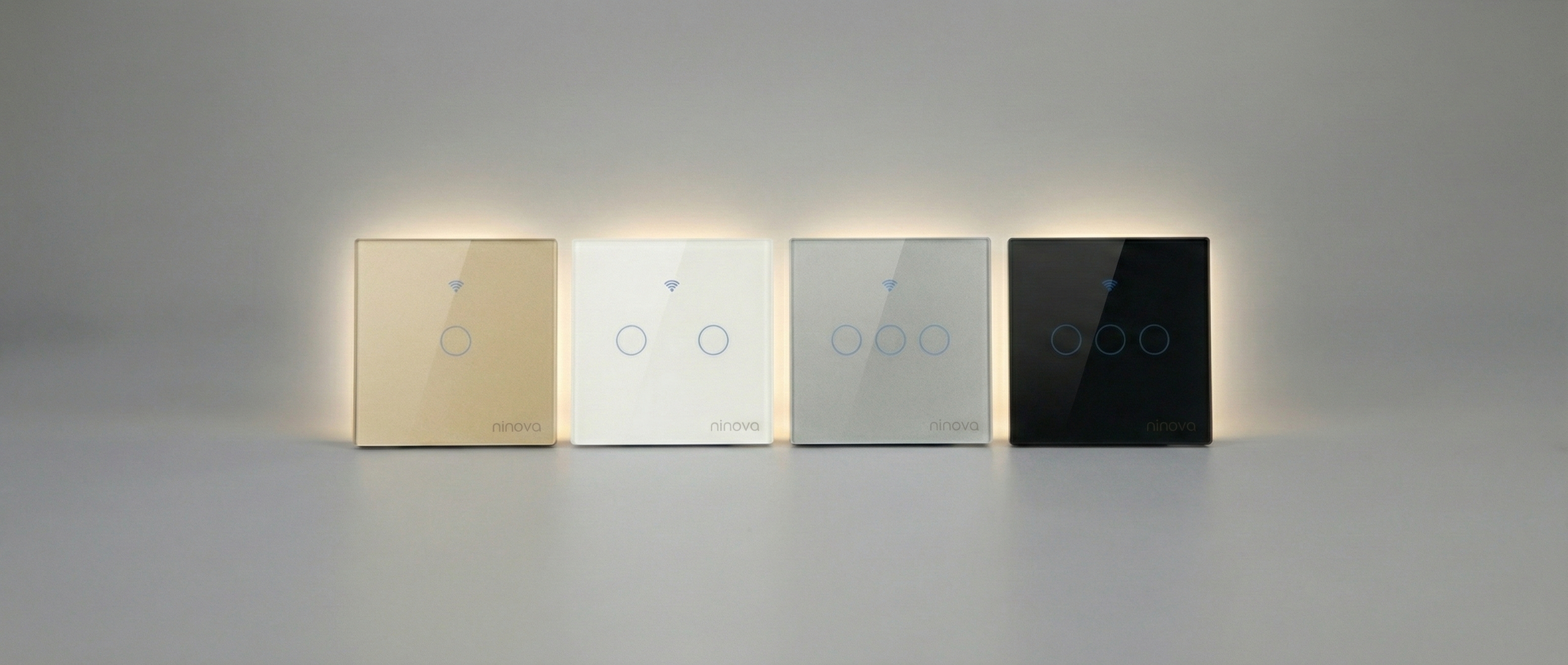
- Smart touch control panels
- Motion sensors
- Door and window sensors
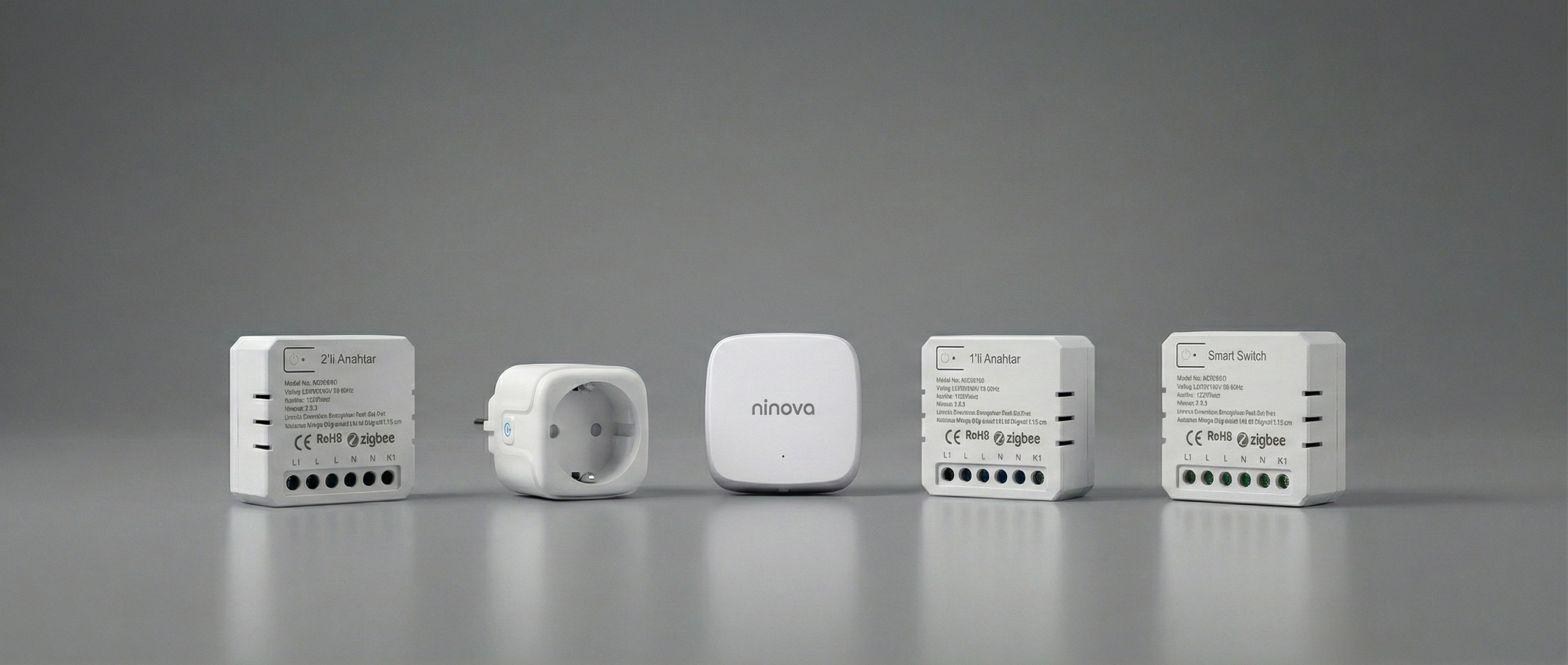
- Smart switches
- Smart plugs
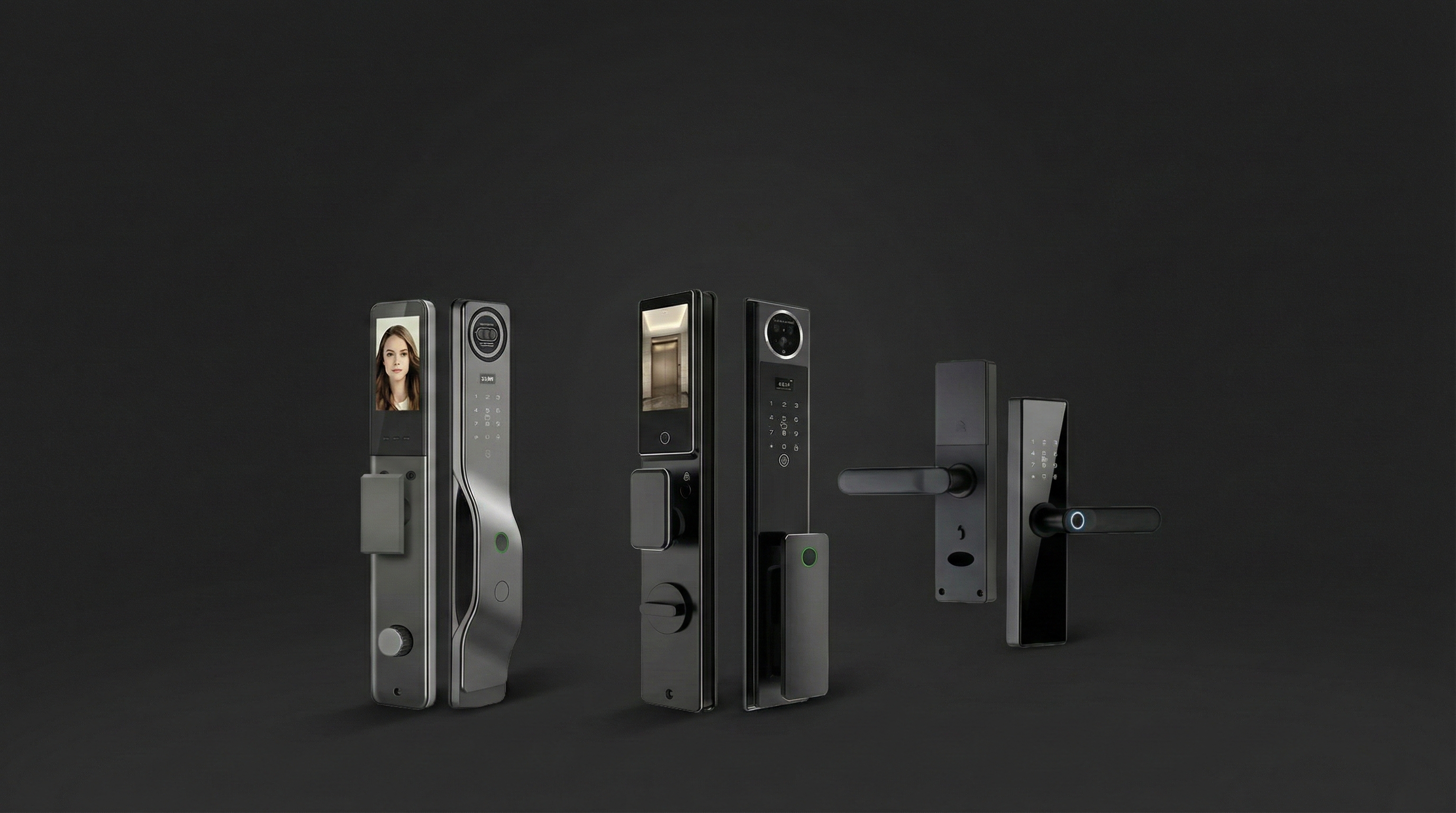
- Smart door locks
- Lighting control systems
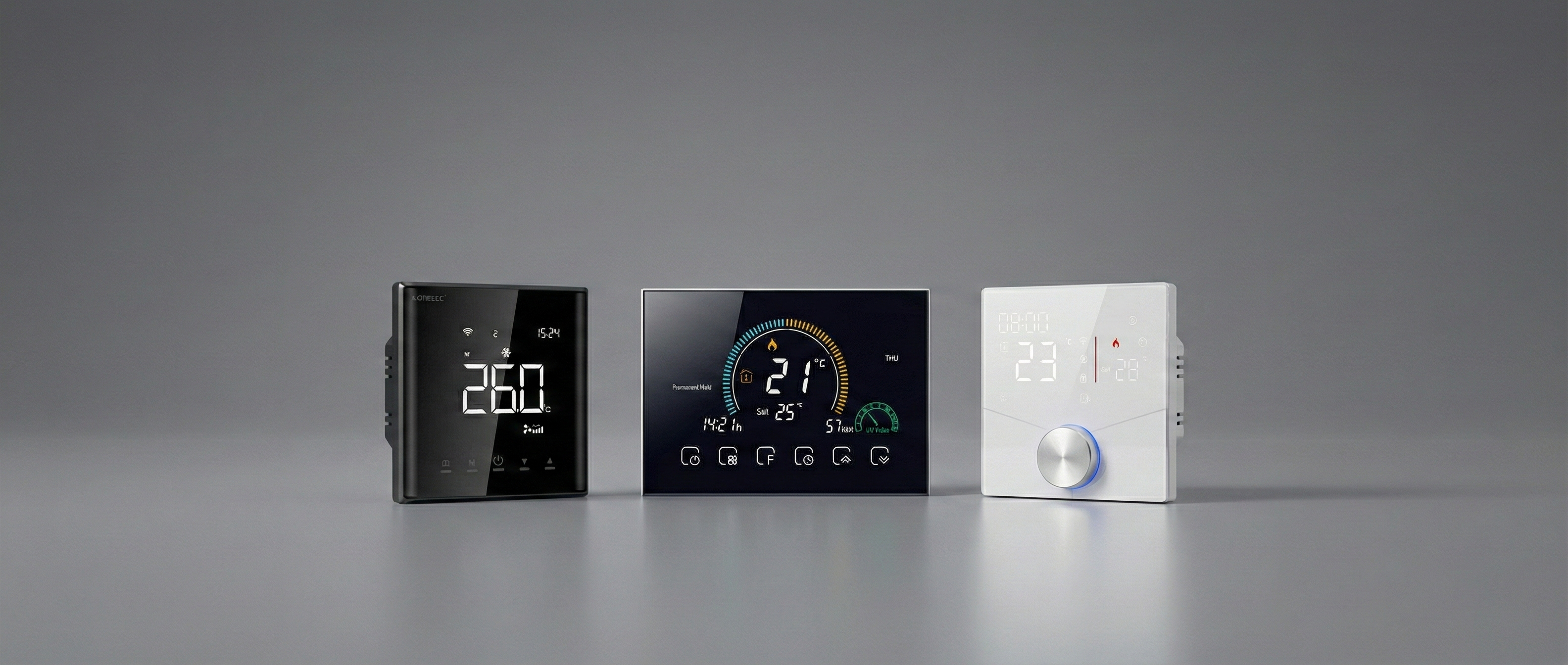
- Climate control solutions
- Security cameras
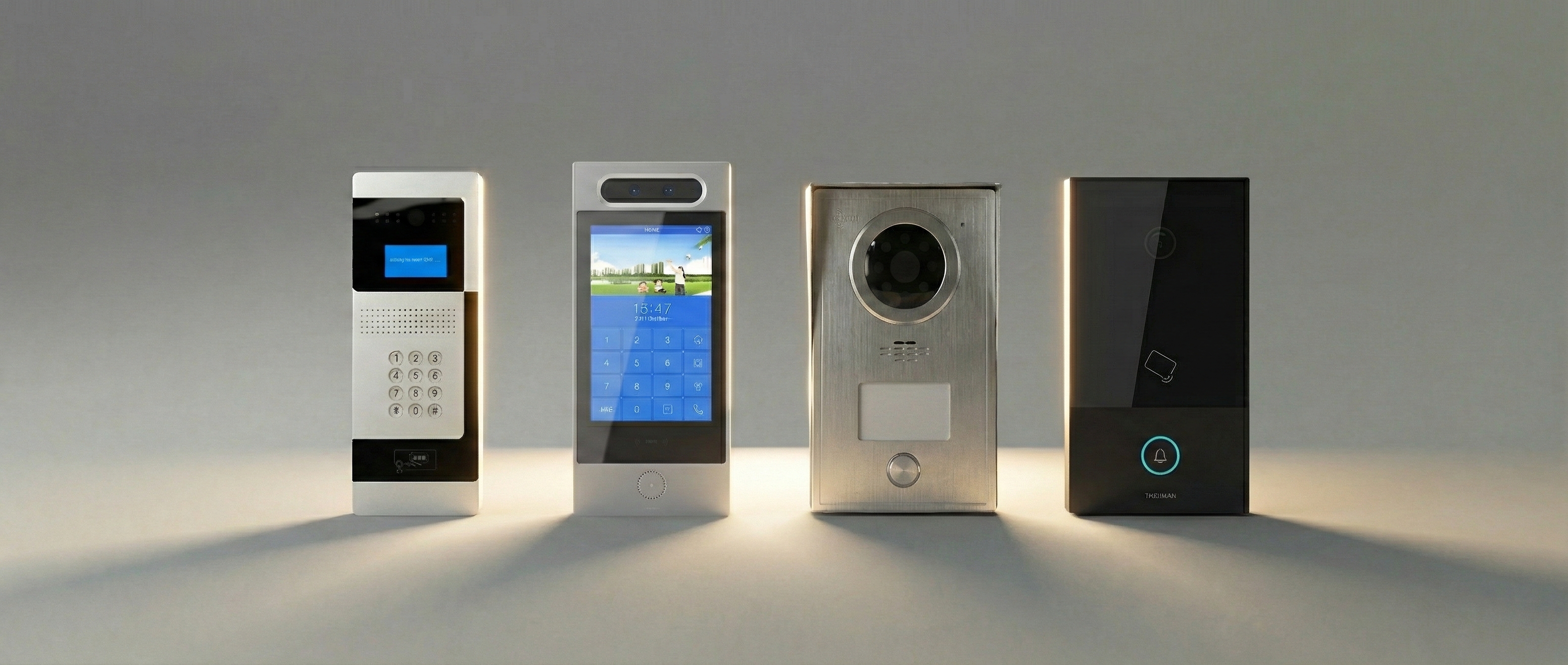
- Video intercom systems
- Gateways and automation hubs
When these products communicate seamlessly, the result is a smarter and more efficient home.
How Smart Home Scenarios Are Created
Professional automation systems make creating scenarios remarkably simple.
The basic process includes:
- Selecting connected devices
- Choosing an automation trigger
- Defining the desired actions
- Testing the automation
- Assigning it to your mobile app or control panel
The possibilities are virtually unlimited.
The Most Popular Smart Home Scenarios
Some of the most frequently used automations include:
- Good Morning
- Good Night
- Leaving Home
- Welcome Home
- Vacation Mode
- Guest Mode
- Movie Mode
- Dinner Mode
- Work Mode
- Energy Saving Mode
- Security Mode
- Emergency Mode
Every home is unique, which means automation scenarios can always be customized according to your lifestyle.
Why Choose Ninova Smart Home Solutions?
An exceptional smart home experience depends on more than individual devices—it requires a fully integrated ecosystem.
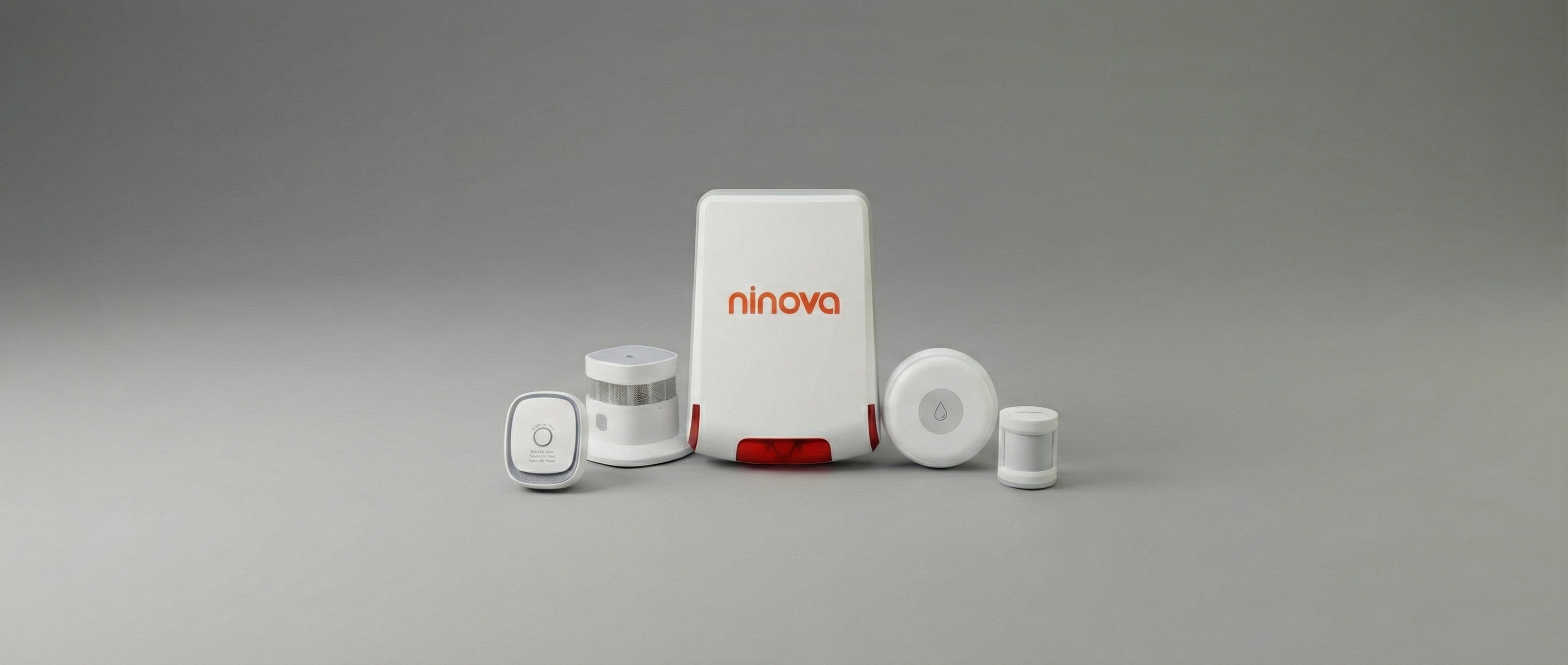
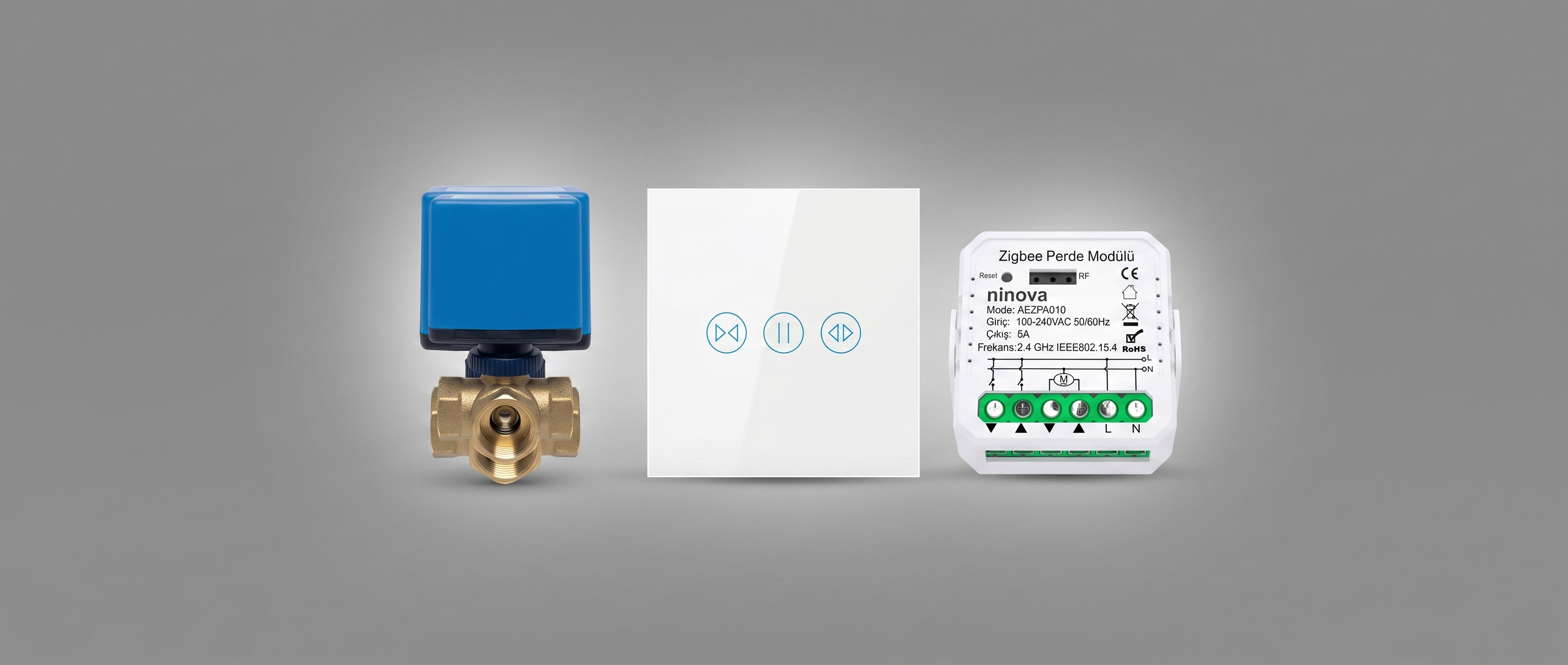
Ninova develops complete smart living solutions including smart touch panels, security systems, smart door locks, gateways, sensors, lighting control, climate management, automation systems, and video intercom solutions designed to work together seamlessly.
Explore Ninova's smart home ecosystem:
Discover the complete product range: