The Rise of Smart Home Systems in the Construction Industry
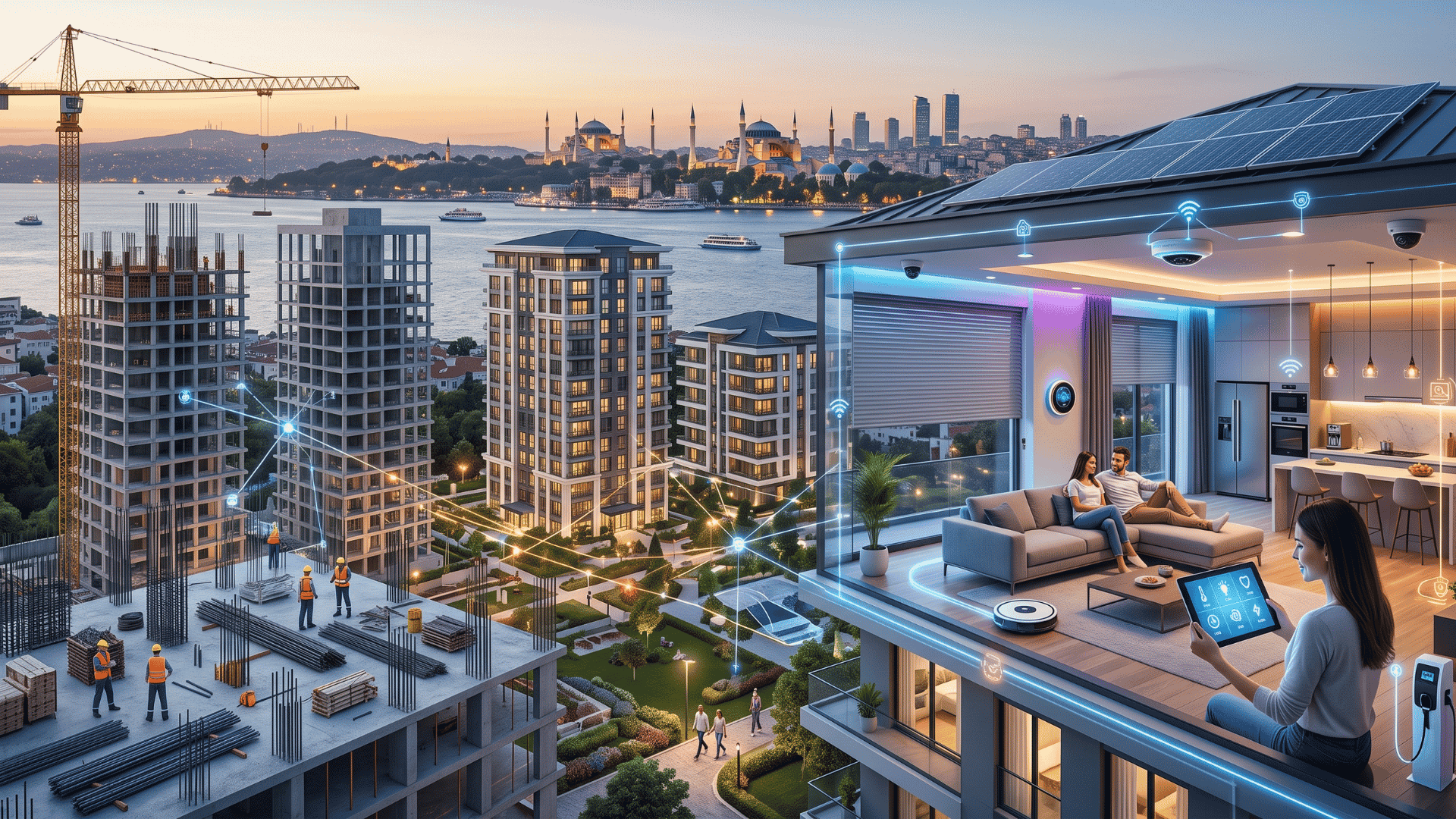
In recent years, the construction industry has begun competing not only through superior building quality and aesthetic design but also through advanced technological infrastructure. Today’s homebuyers are looking for more than spacious living areas and contemporary architecture; they also expect security, energy efficiency, comfort, and smart solutions that can be controlled remotely. As a result, many construction companies are integrating smart home systems into their projects to differentiate themselves from competitors.
Particularly in new-generation residential developments, smart home technologies have evolved from being a luxury feature into a key purchasing factor. Architects, interior designers, and project developers are incorporating automation systems into projects from the design stage to enhance both the user experience and the overall value of the property.
In this article, we will explore why construction companies are investing in smart home systems, the advantages these technologies offer to residential projects, and how they are expected to shape the future of the construction industry.
What Is a Smart Home System?
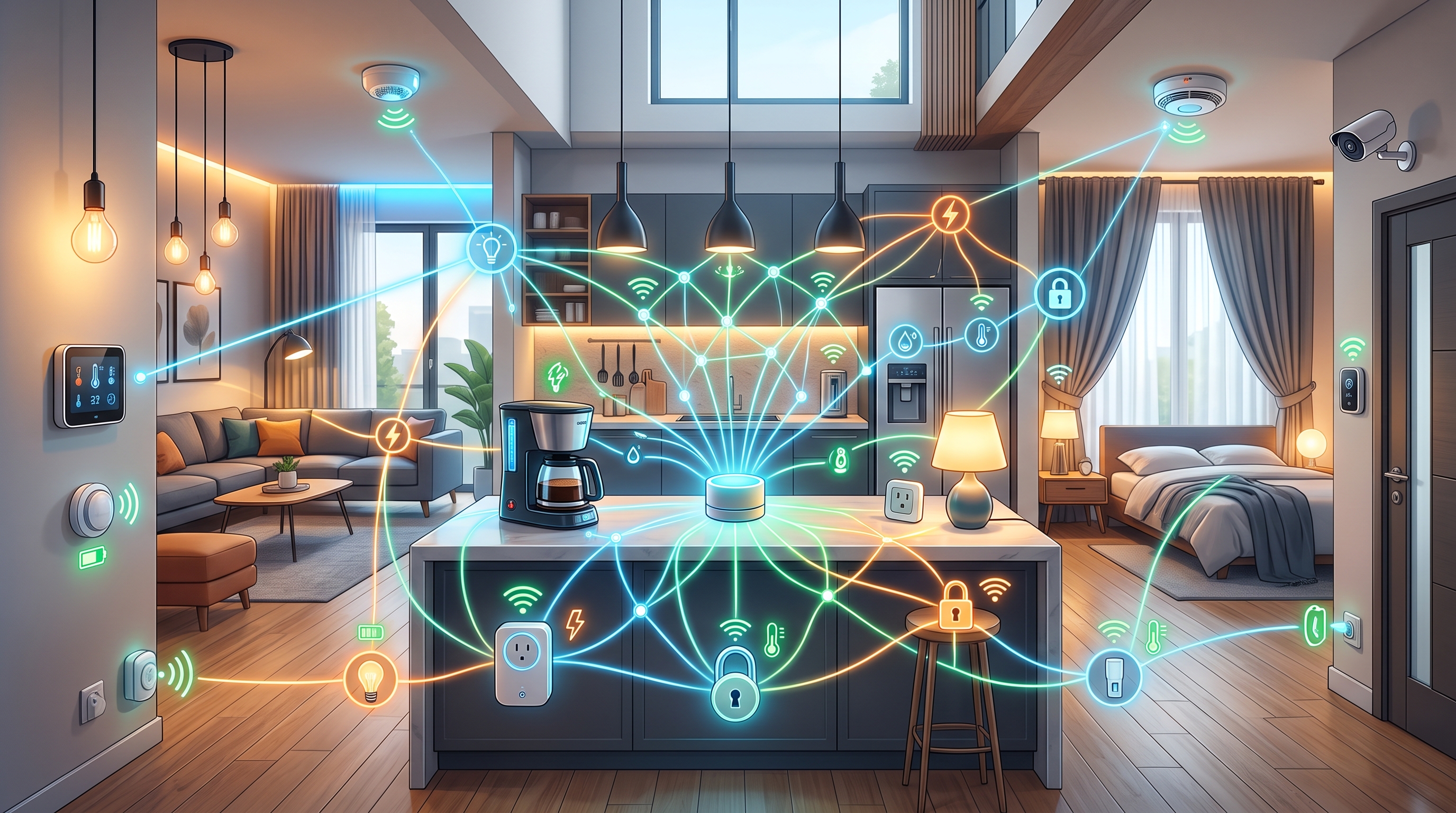
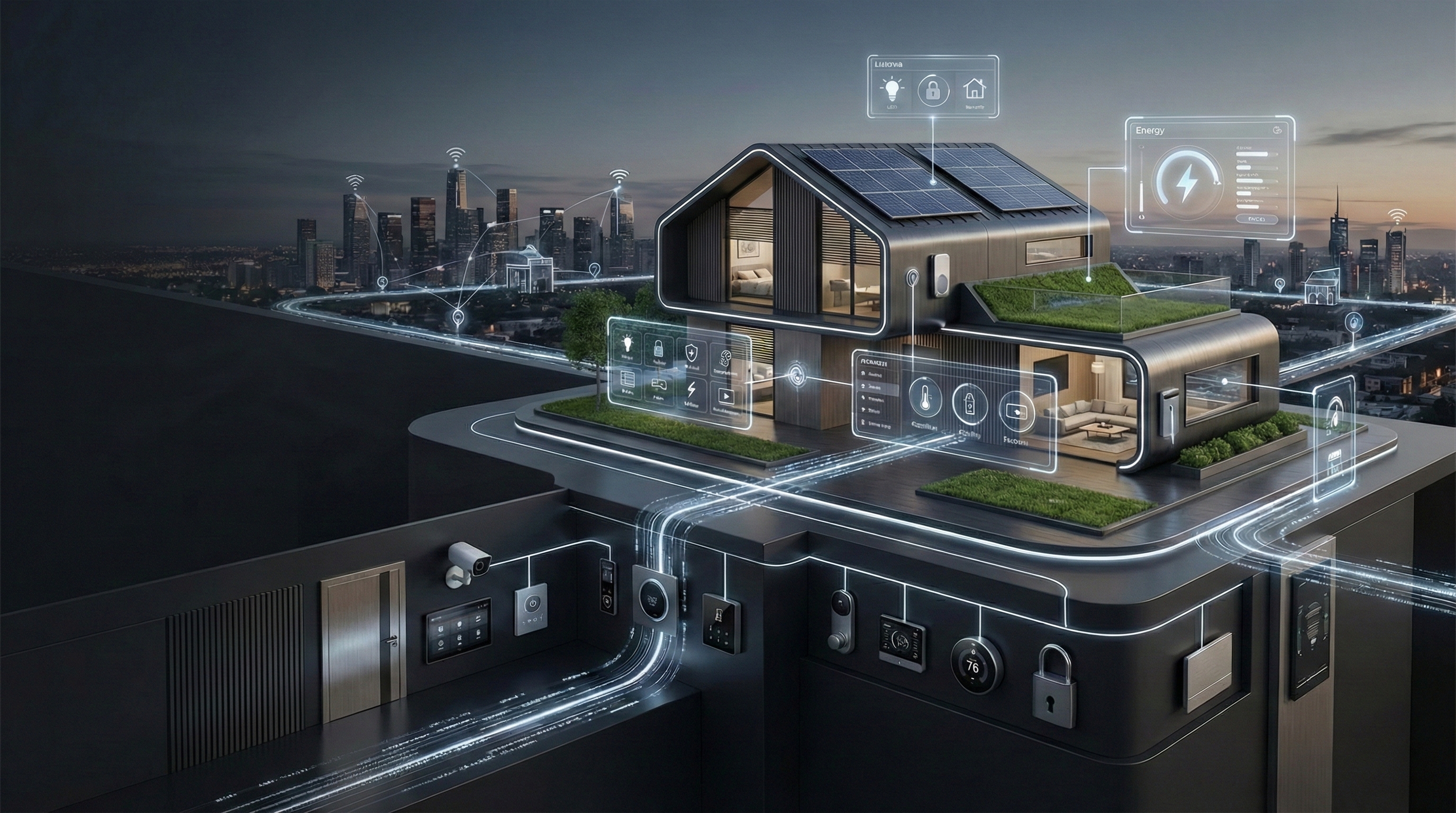
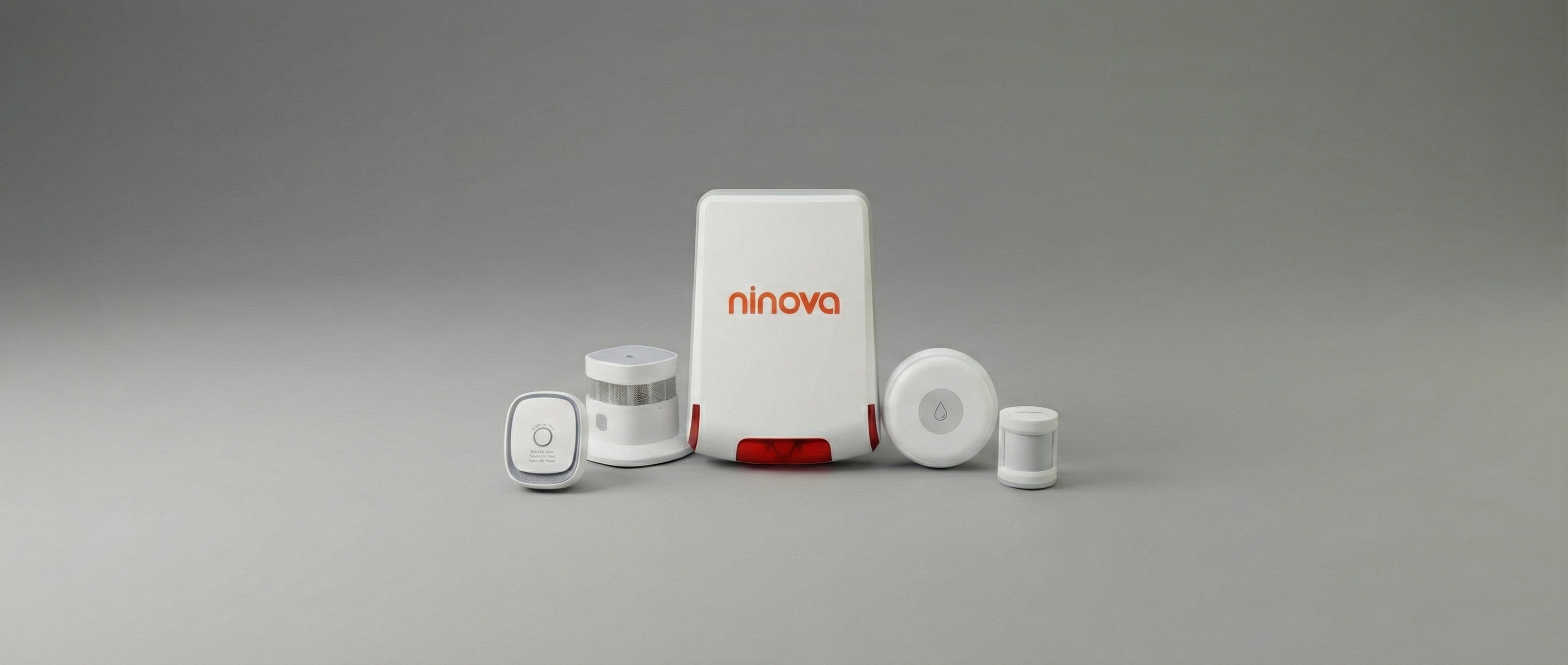
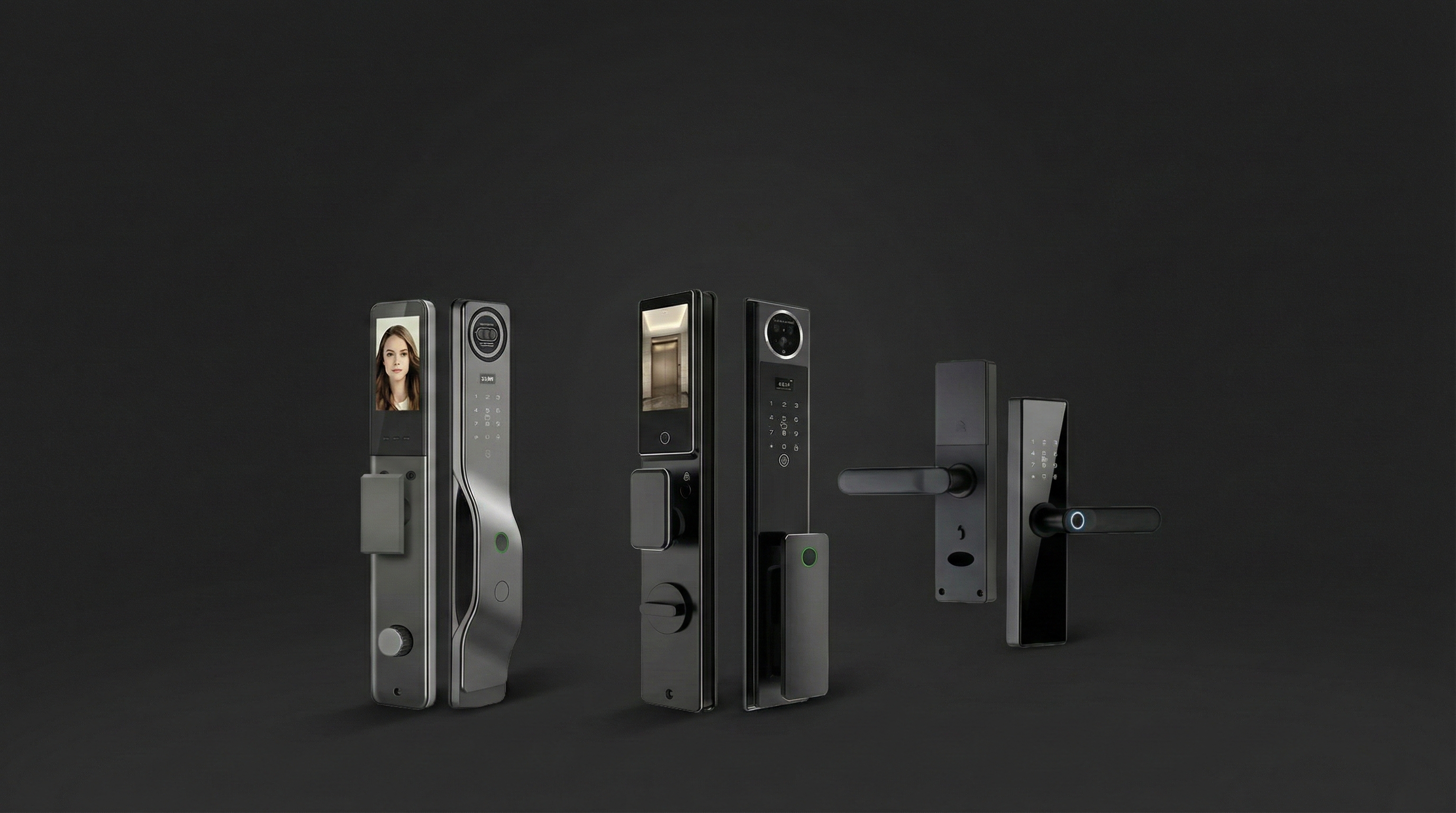
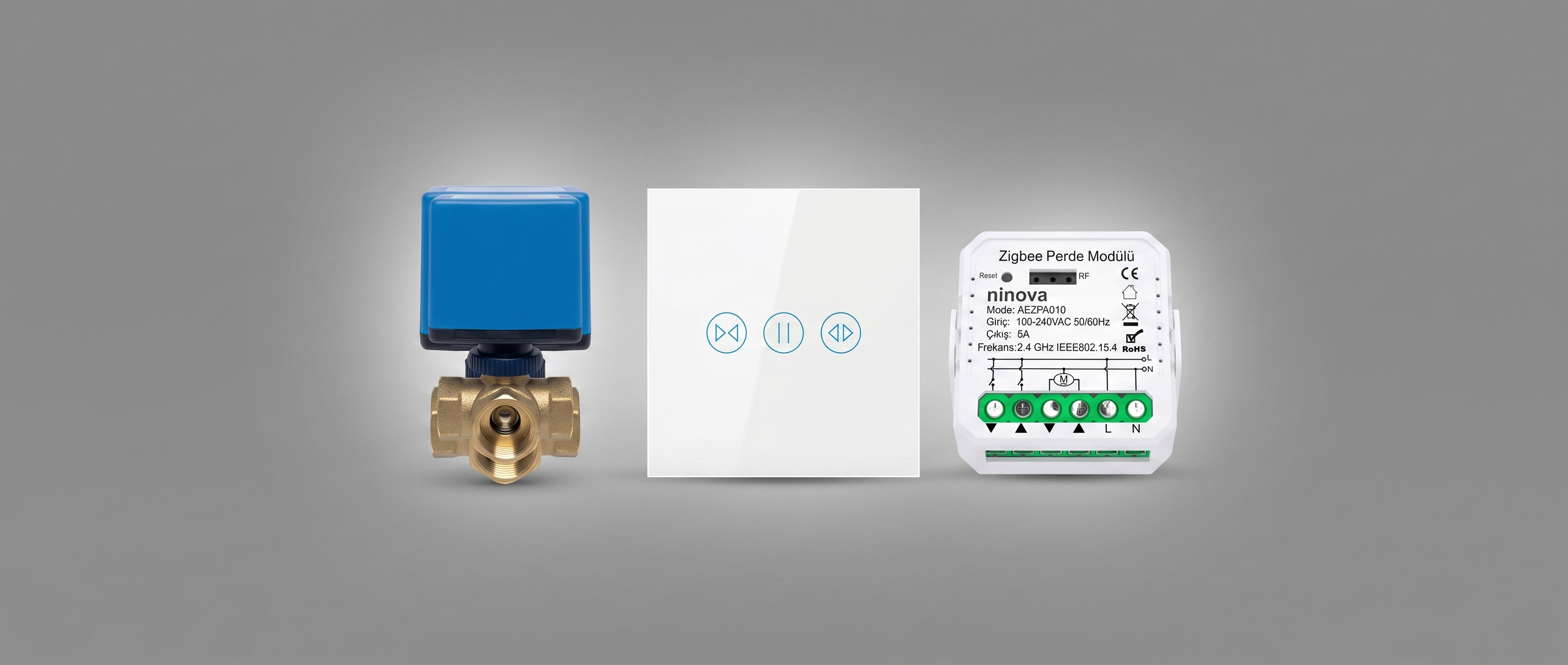
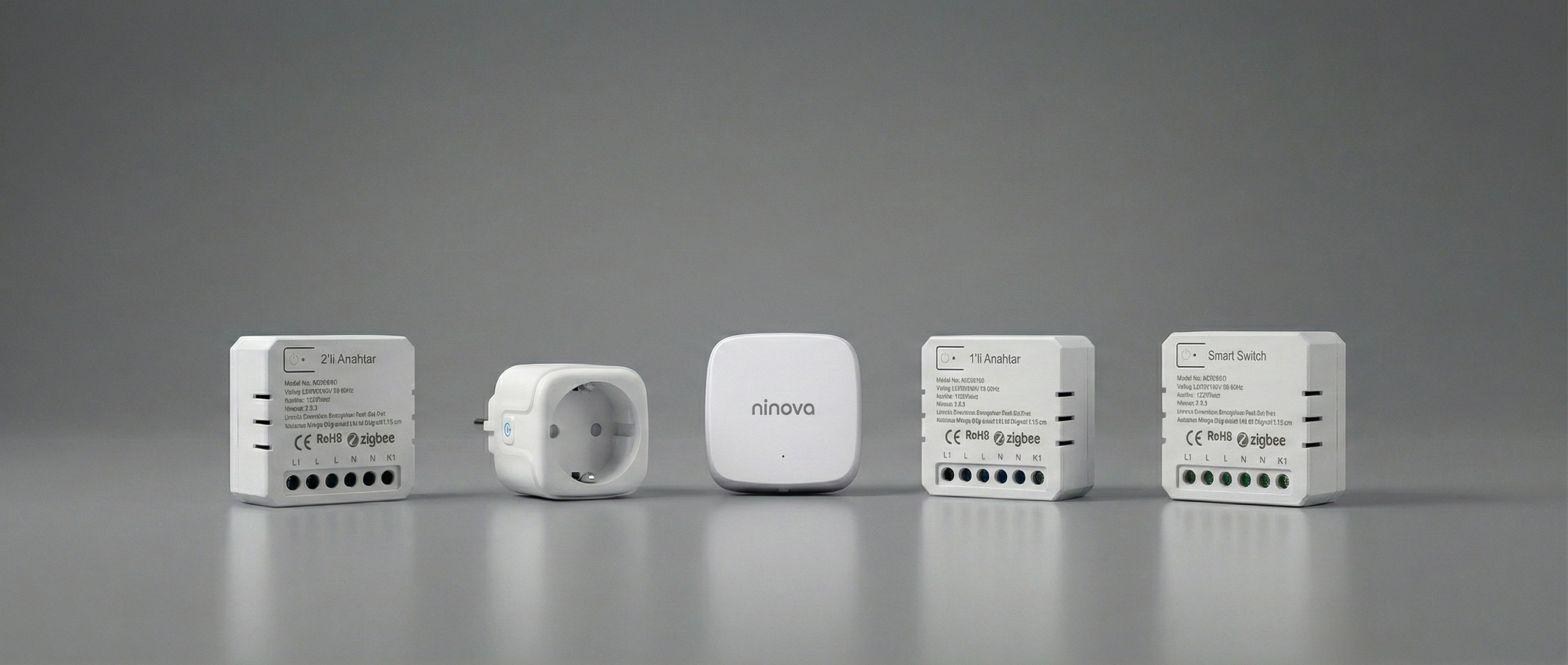
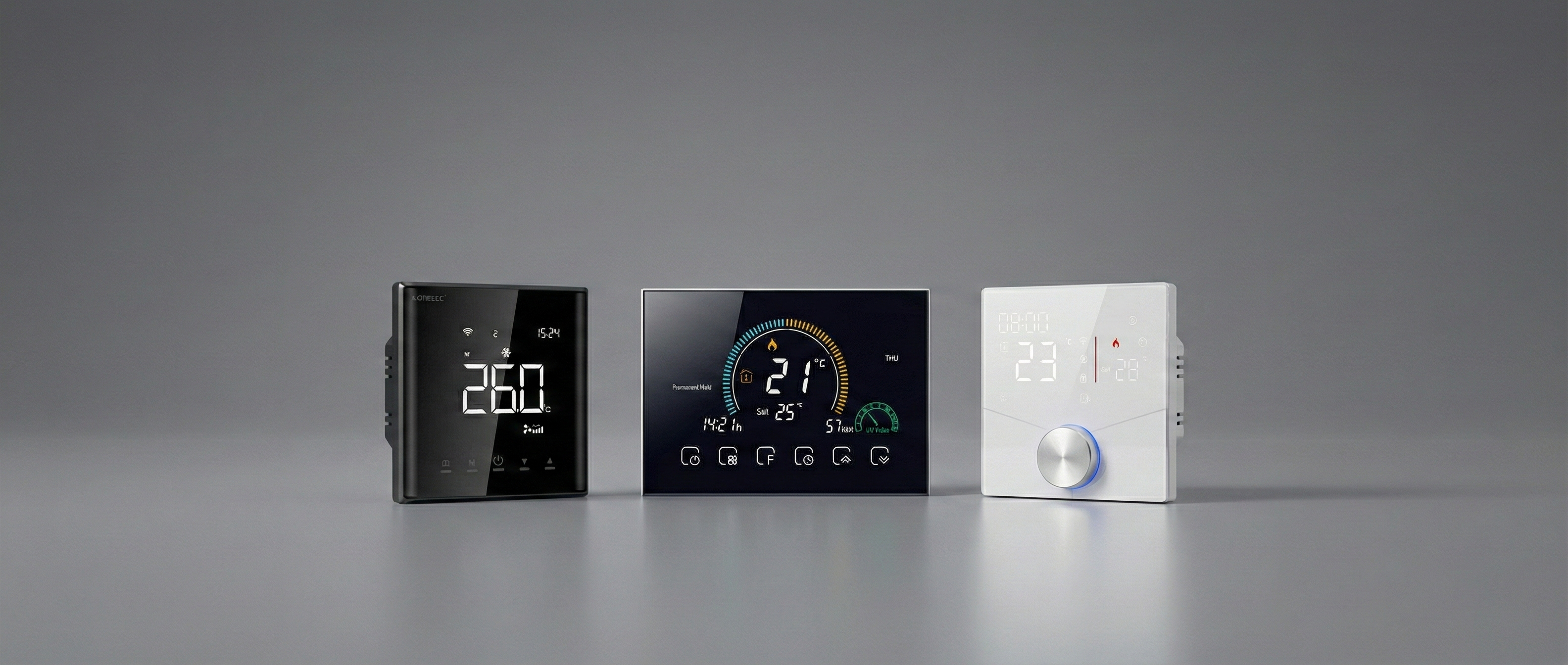
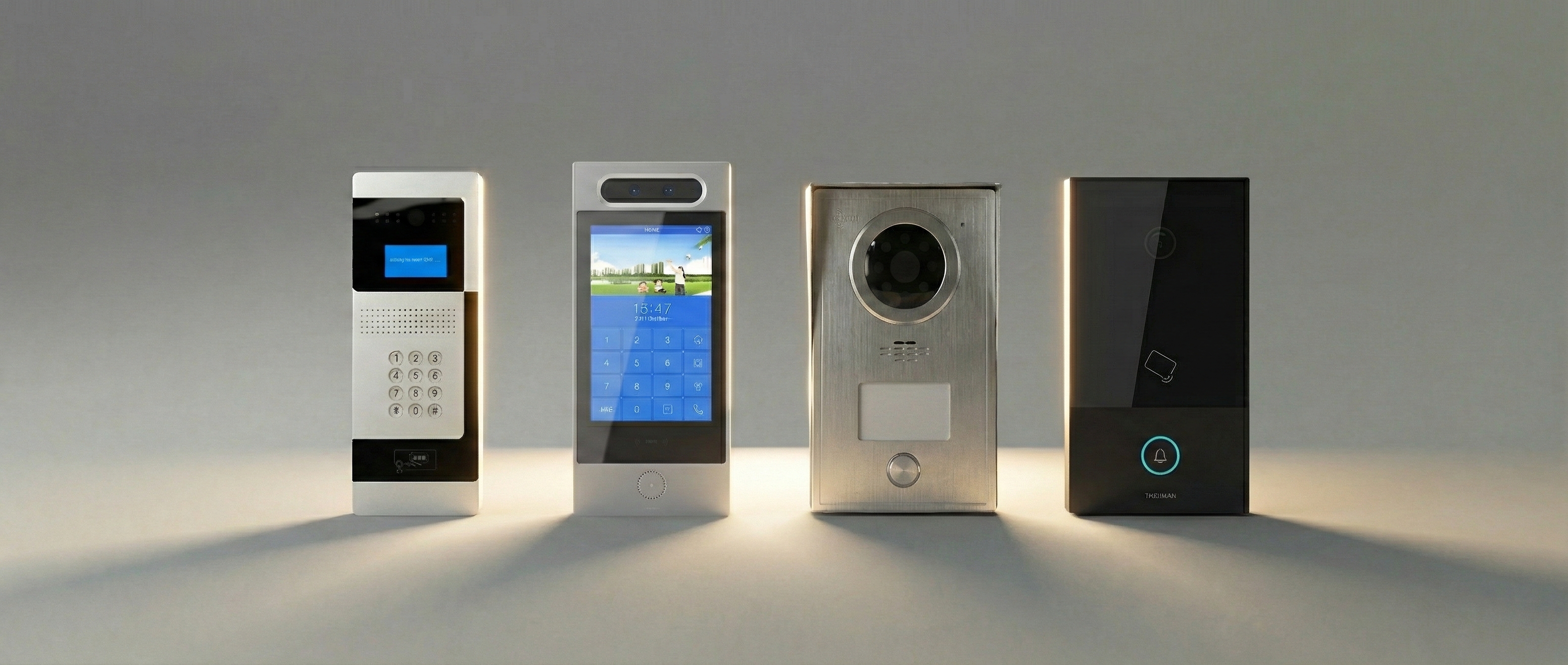
A smart home system is an integrated automation infrastructure that enables centralized control of lighting, heating and cooling, curtain and blind systems, security cameras, alarm systems, video intercoms, energy management solutions, and various electrical devices.
These systems can be controlled through:
- Mobile applications
- Tablets
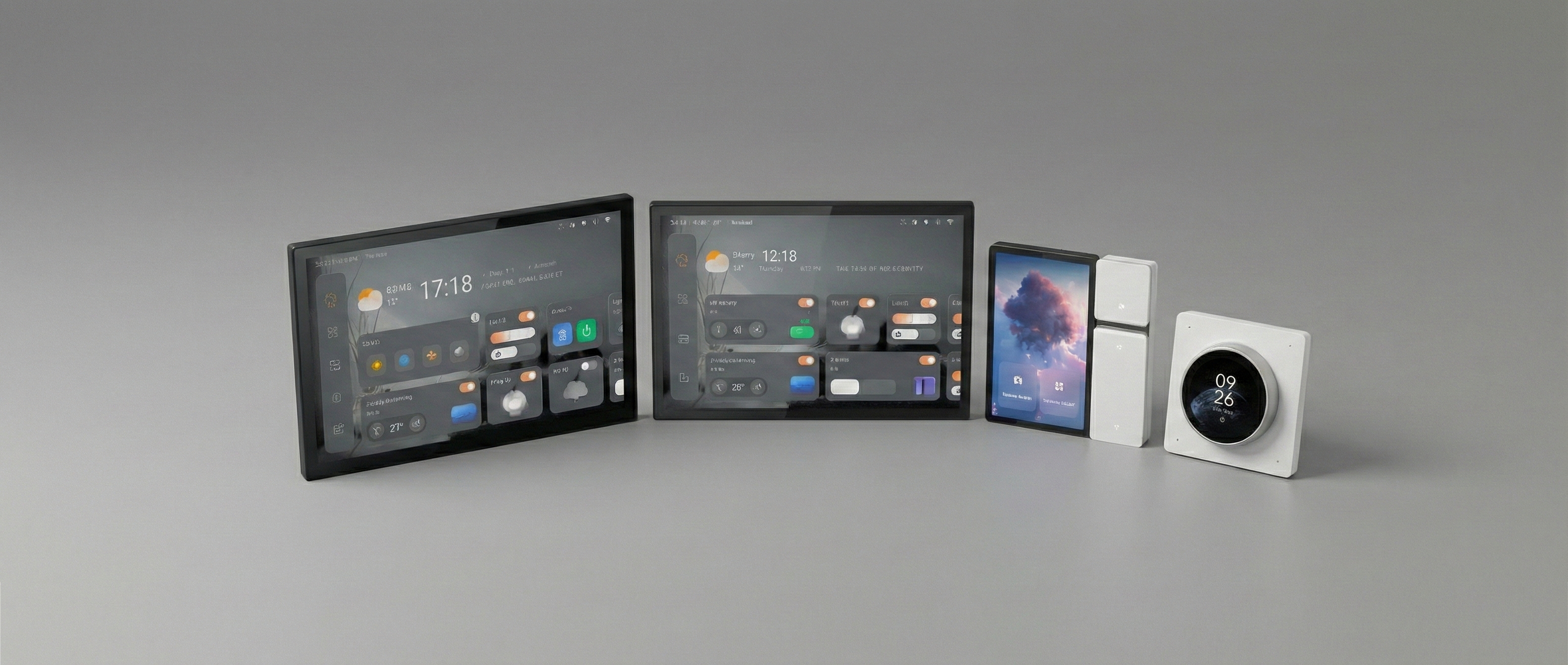
- Touchscreen control panels
- Voice commands
- Remote internet access
The goal of modern smart home projects extends beyond simple remote control. Today's systems are designed to learn users' habits, optimize energy consumption, and create more comfortable, efficient, and intelligent living environments.
Why Are Construction Companies Investing in Smart Home Systems?
1. They Increase the Market Value of a Project
Homebuyers now evaluate technological features alongside traditional factors such as location and design.
Residential projects equipped with smart home systems tend to:
- Present a more modern image
- Be perceived as more prestigious
- Command higher selling prices
- Better preserve their resale value
In luxury housing developments, home automation systems have become an expected standard rather than an optional upgrade.
2. They Differentiate Projects from Competitors
Competition within the construction industry continues to intensify each year.
When two residential projects in the same location offer similar features, buyers often prefer the one that includes smart home infrastructure.
This provides several advantages:
- Faster property sales
- Stronger brand image
- Higher customer satisfaction
3. Customer Expectations Are Changing
Today's homeowners expect to:
- Control their homes using a smartphone
- Turn on the air conditioning before arriving home
- Control lighting remotely
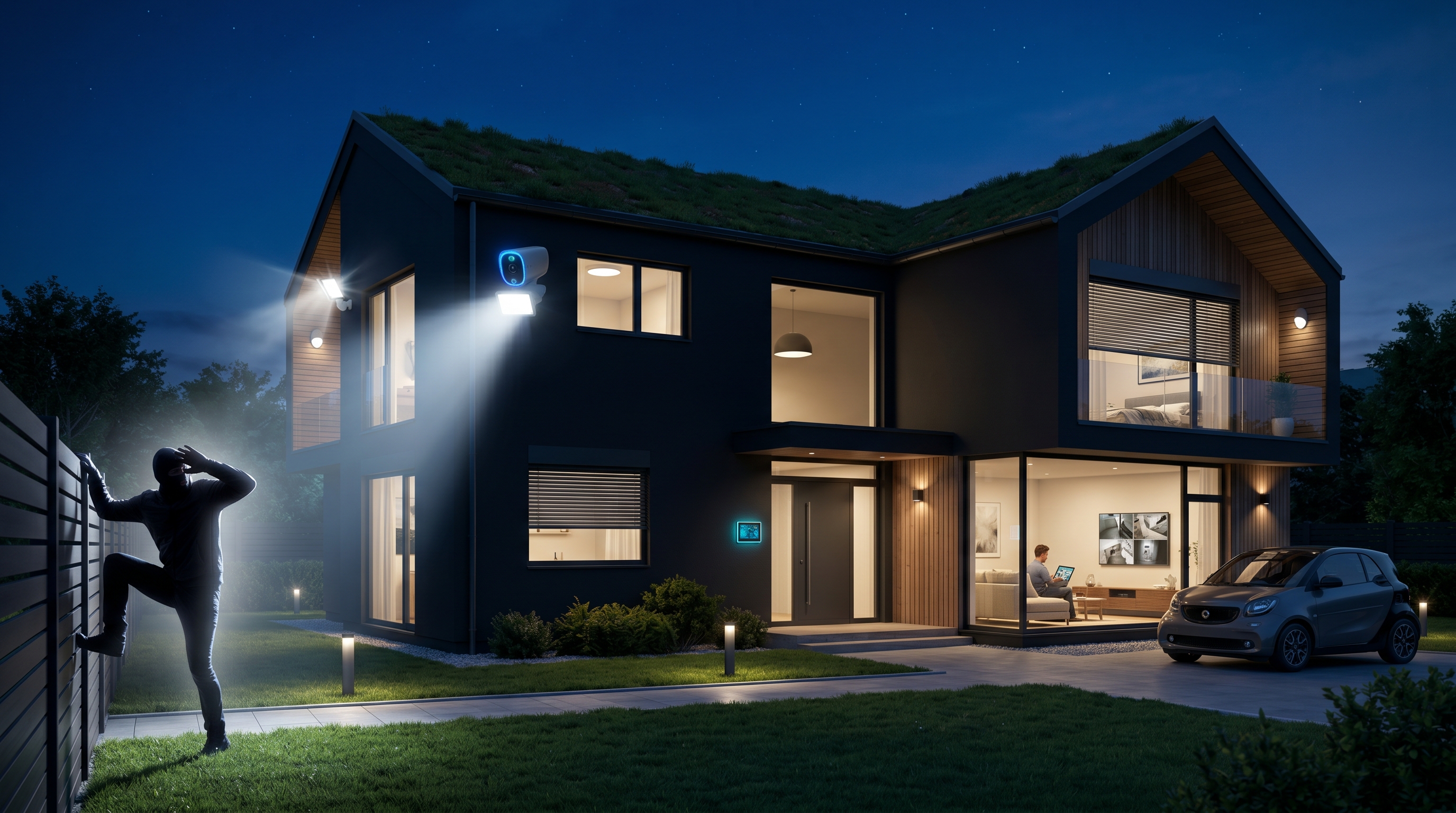
- Monitor security cameras from anywhere
- Receive instant alarm notifications
As a result, smart home systems are no longer considered an extra feature—they have become a natural expectation for modern homeowners.
The Importance of Smart Home Systems for Architects
Architects today are responsible for much more than aesthetics.
Functionality has become an essential element of architectural design.
Smart home infrastructure enables architects to:
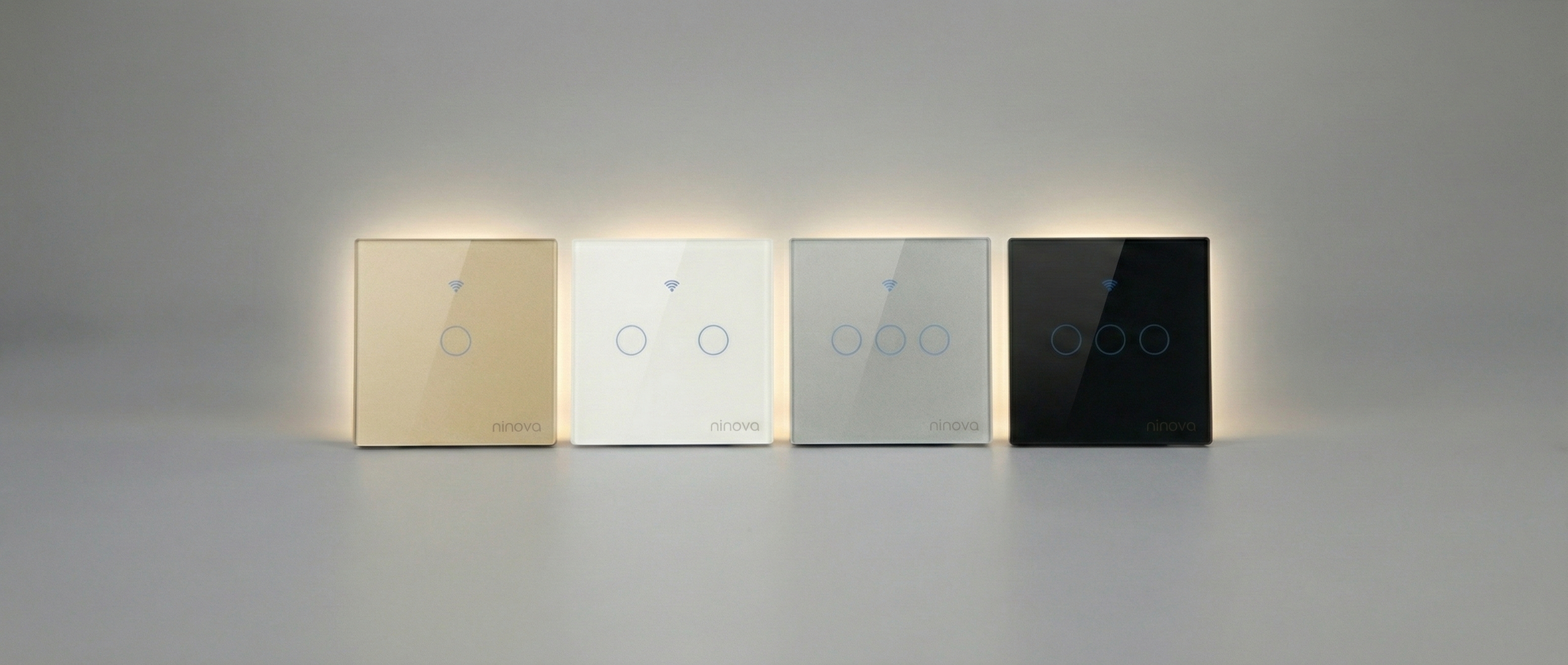
- Reduce the number of visible switches
- Create cleaner, minimalist interiors
- Plan electrical infrastructure more efficiently
- Design more functional living spaces
These advantages are particularly valuable in modern villa and premium residential projects.
Benefits for Interior Designers
For interior designers, home automation systems provide greater creative flexibility.
For example, they allow designers to:
- Replace dozens of traditional switches with a single smart control panel
- Create customized LED lighting scenarios
- Synchronize lighting and curtain systems
- Design predefined scenes such as:
- Cinema Mode
- Dining Mode
- Night Mode
- Welcome Home Mode
These capabilities help create living spaces that are both visually appealing and highly functional.