Zigbee vs. Matter: A Comparison of Smart Home Technologies
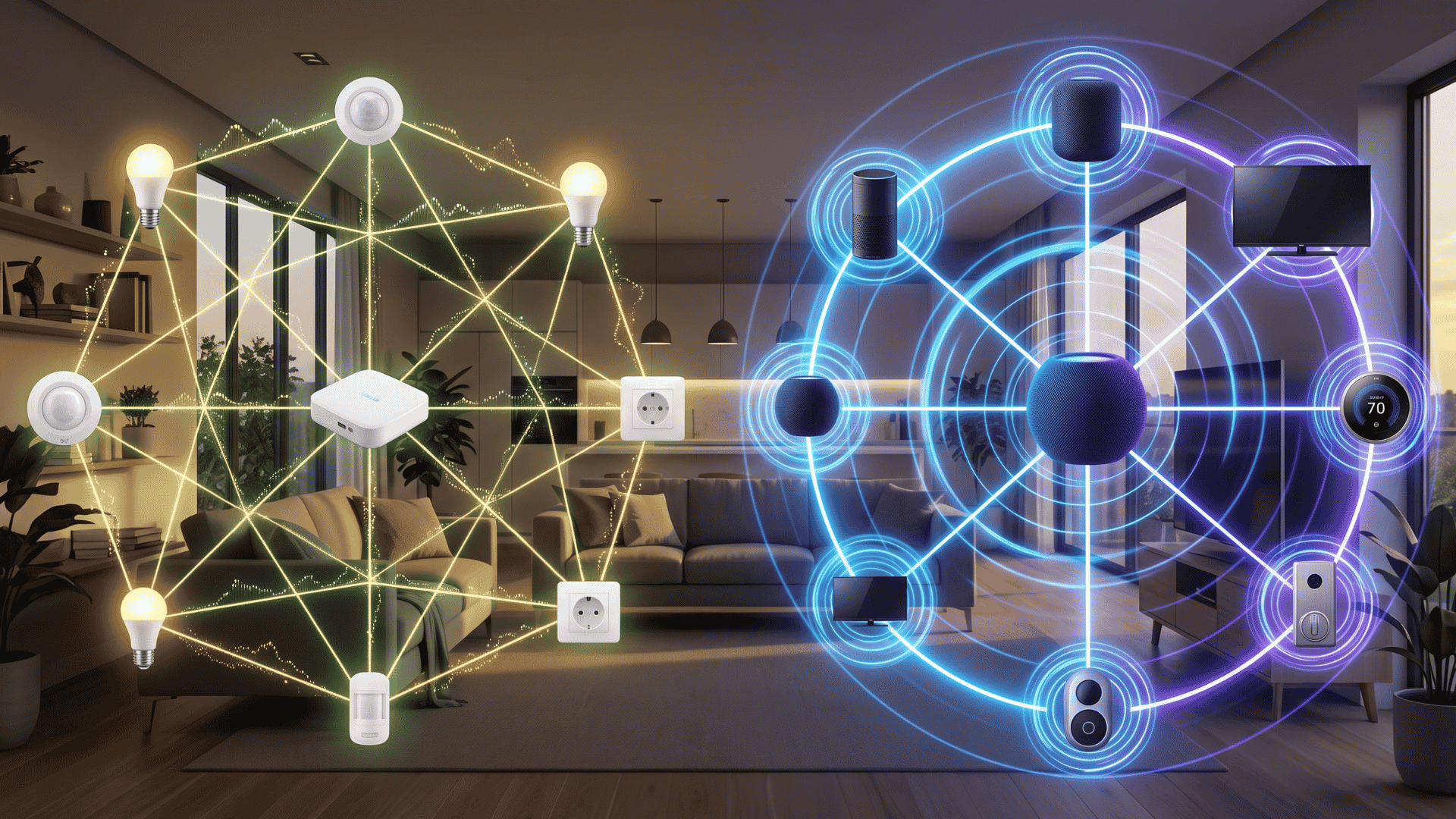
As smart home technology continues to evolve, two important technologies stand out for homeowners looking to make their living spaces more comfortable, secure, and energy-efficient: Zigbee and Matter. But which is better, Zigbee or Matter? Which technology should you choose when setting up a smart home system? And what are the main differences between them?
The answer depends on your devices, preferred smart home platform, and automation requirements. Zigbee stands out for its low power consumption and established device ecosystem, while Matter is a connectivity standard designed to improve interoperability between smart home devices from different manufacturers.
In this guide, we compare Zigbee and Matter in terms of how they work, their advantages, compatibility, and practical applications to help you choose the right technology for your smart home.
What Is Zigbee?
Zigbee is a wireless communication technology that allows smart home devices to communicate with one another while focusing on low power consumption. It is used in a wide range of products, including smart switches, plugs, motion sensors, door and window sensors, thermostats, and lighting devices.
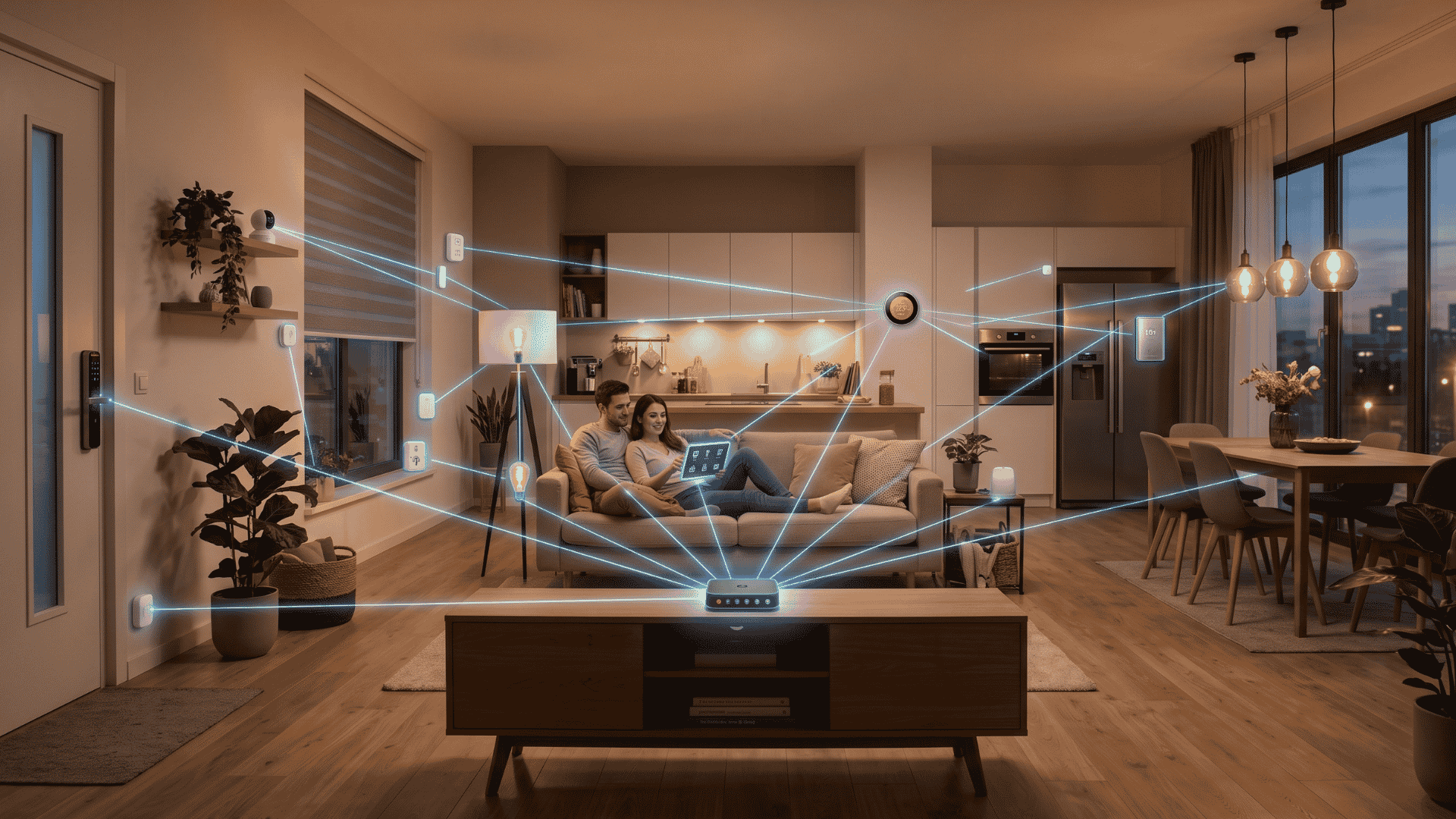
One of Zigbee's key features is its support for a mesh network topology. In a mesh network, compatible devices can relay data through one another, helping communication reach different areas of a home. This can improve network coverage without relying on a single wireless connection point.
Zigbee networks typically use a coordinator or compatible gateway to manage devices. Depending on the system, this device can connect the Zigbee network to a smart home application or another control platform.
The main advantages of Zigbee include:
-
Low power consumption, making it suitable for battery-powered sensors.
-
Mesh networking, which can extend coverage through compatible devices.
-
Broad use in smart lighting and home automation products.
-
An established ecosystem covering many types of smart home devices.
-
Support for automation scenarios involving sensors, switches, and control modules.
For example, a Zigbee door sensor can trigger a hallway light when the door opens, provided the devices and automation platform support the required functions. Similarly, smart thermostats, lighting devices, and curtain or blind modules can be incorporated into automation routines.
However, it is important to remember that two devices supporting Zigbee are not automatically guaranteed to work together seamlessly. Device capabilities, supported profiles, and gateway compatibility should be checked before purchasing.
What Is Matter?
Matter is an open smart home connectivity standard designed to make communication between devices from different manufacturers easier. Developed by the Connectivity Standards Alliance, Matter aims to improve interoperability with smart home ecosystems such as Apple Home, Google Home, Amazon Alexa, and Samsung SmartThings.
The primary goal of Matter is to help consumers use compatible devices from different manufacturers without being tied to a single brand. This can make it easier to build a smart home system that combines products from multiple manufacturers.
Matter is not a wireless radio technology on its own. Compatible devices can communicate using Wi-Fi, Ethernet, or Thread. Bluetooth Low Energy may also be used during the initial device setup process.
The main advantages of Matter include:
-
Improved interoperability between compatible devices from different brands.
-
Support for using compatible devices with multiple smart home platforms.
-
Support for local network communication and control.
-
Standardized mechanisms for secure device setup and communication.
-
Greater flexibility when expanding a smart home with compatible products.
For example, a Matter-compatible smart plug may be added to different smart home ecosystems, depending on the device's capabilities and the platform being used. This allows consumers to consider supported standards alongside brand names when choosing products.
However, Matter compatibility does not guarantee that every feature will work identically across all platforms. Certification, supported device categories, and the capabilities of the selected smart home platform all matter.
What Are the Differences Between Zigbee and Matter?
Although Zigbee and Matter are both relevant to smart home connectivity, they do not perform exactly the same role. Zigbee is a wireless networking and communication technology with its own network and application architecture, whereas Matter is a standard designed to enable compatible devices to communicate across smart home ecosystems.
When comparing these technologies, it is important to consider not only wireless connectivity but also device compatibility, gateway requirements, power consumption, and integration with existing systems.
| Feature | Zigbee | Matter |
|---|---|---|
| Primary function | Wireless device networking and communication | Common communication standard for smart home devices |
| Connectivity | Zigbee wireless network | Wi-Fi, Ethernet, or Thread |
| Low power consumption | Well suited to battery-powered devices | Depends on the connectivity technology and device |
| Mesh networking | Yes | Yes, when using Thread |
| Gateway or controller | Typically requires a Zigbee coordinator or gateway | Requirements depend on the device and platform |
| Brand interoperability | Depends on device and gateway support | Designed to improve interoperability between compatible platforms |
| Existing device integration | Within compatible Zigbee ecosystems | Zigbee integration is possible through a suitable bridge |
| Typical applications | Sensors, switches, plugs, and automation modules | Lighting, plugs, locks, thermostats, and other supported devices |
The key point is that Matter is not simply a replacement wireless technology for Zigbee. The connectivity method used by a Matter device determines how it connects to the network and what infrastructure it may require.
Which Uses Less Power: Zigbee or Matter?
Power consumption is an important consideration when building a smart home system, especially for battery-powered sensors.
Zigbee was designed with low power consumption in mind. As a result, it is widely used in devices such as door and window sensors, motion detectors, and temperature sensors that do not have a permanent power supply.
Power consumption in Matter devices varies according to the connectivity technology used. For example, Matter over Thread uses a networking technology designed for low-power smart home devices. A Matter over Wi-Fi product may have different power requirements depending on its hardware and operating mode.
Therefore, it is not accurate to compare power consumption based only on the Zigbee or Matter label. Battery life, product specifications, and manufacturer-provided usage data should also be considered.
If low power consumption and long battery life are priorities, compare Zigbee devices with Matter over Thread products based on their actual specifications.
Can Zigbee and Matter Work Together?
Yes, but an appropriate bridge or supported integration is required.
Because Zigbee and Matter use different technologies, a Zigbee device cannot automatically join a Matter network simply because the smart home system supports Matter. A compatible bridge or gateway that exposes Zigbee devices to a Matter ecosystem may be needed.
For example, if your home already has Zigbee smart switches and sensors, you may not need to replace every device. If your gateway supports Matter bridging and includes the relevant devices, some of your existing products may be accessible through a Matter-compatible smart home platform.
However, not every Zigbee gateway supports Matter bridging. Before purchasing, check the product specifications to confirm that this feature is explicitly supported.
This approach can be useful for homeowners who want to preserve their existing smart home infrastructure while gradually introducing newer devices.
Which Technology Should You Choose for Your Smart Home?
There is no single answer to the question of whether Zigbee or Matter is better. The right choice depends on your requirements.
Reasons to Choose Zigbee
Zigbee can be a good option for users who want to build a comprehensive automation system with multiple sensors and control modules. If your existing devices use Zigbee and your current gateway meets your needs, continuing with the same infrastructure may be a practical decision.
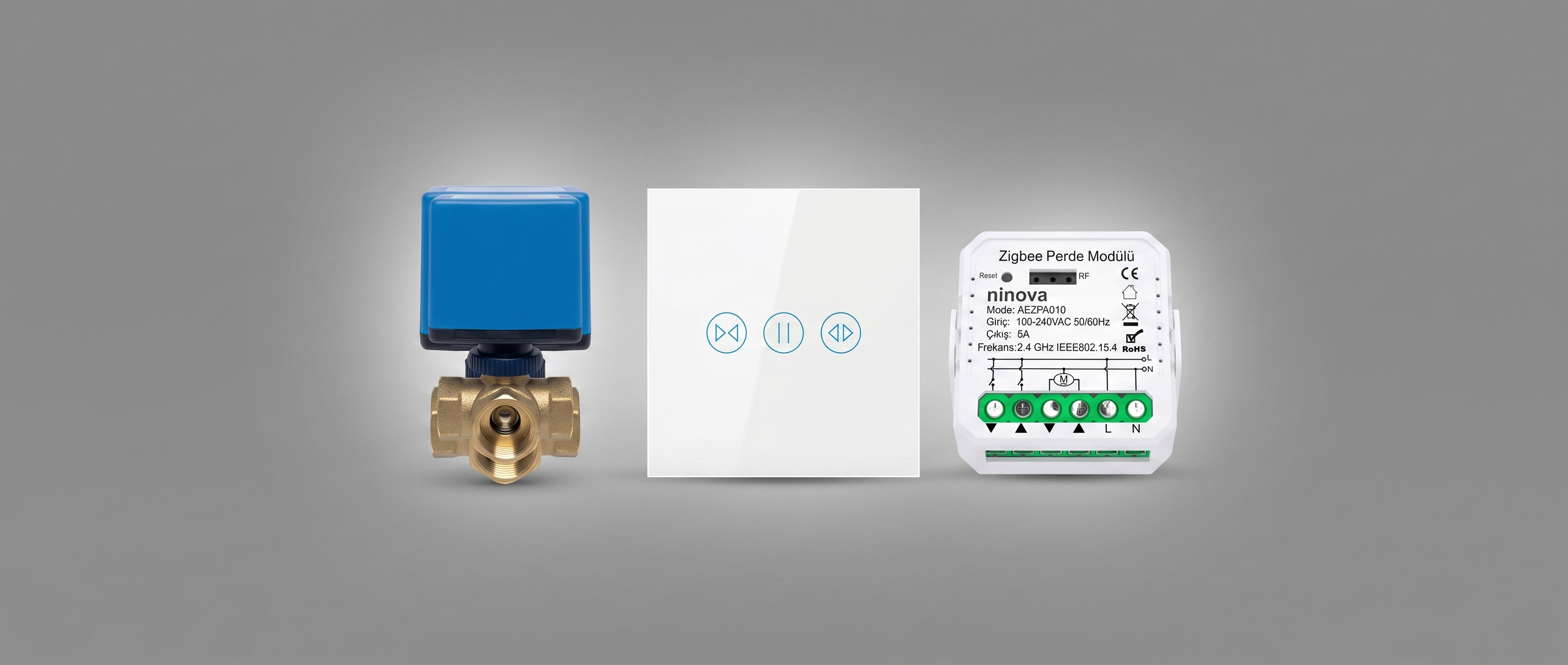
Zigbee products can be considered for smart lighting, curtain and blind control, door and window sensors, and a variety of home automation scenarios. However, compatibility should always be checked when combining products from different manufacturers.
Reasons to Choose Matter
Matter can offer important advantages if you want to combine devices from different manufacturers within the same smart home platform. When selecting new devices for platforms such as Apple Home, Google Home, Alexa, or SmartThings, checking for Matter certification can be beneficial.
However, not all Matter devices use the same connectivity technology. Thread-based products may require suitable Thread network infrastructure and, in some systems, a compatible controller.
Recommendations for a New Smart Home System
If you are building a smart home from scratch, do not make your decision based on the technology name alone. First, determine which devices you plan to use, which platforms they support, and how you want to expand the system in the future.
For example, Zigbee products may be a strong option for an automation system with numerous sensors and switches. If flexibility across different brands and platforms is a priority, Matter support may also influence your purchasing decision.
Using both technologies together is possible. The key is to plan the system so that all components work together as intended.
Plan Your Smart Home with Ninova Smart Home Systems
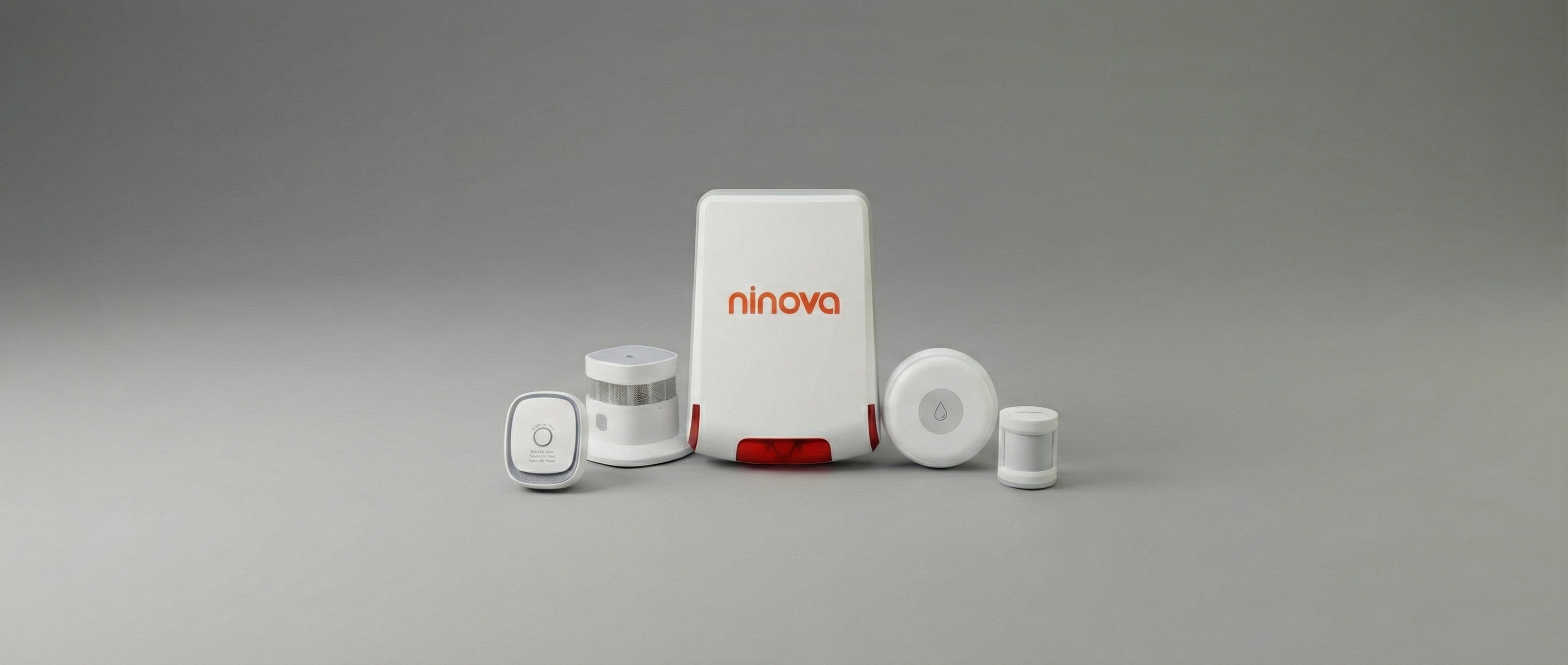
Choosing the right technology is just as important as selecting products that meet your needs. When lighting, heating, curtain and blind controls, and security sensors work together, they can create a more functional and convenient home automation experience.
When evaluating Ninova Smart Home Systems products, start by identifying the automation scenarios you want to create. Then review the communication technologies and control infrastructure supported by each device.
For example:
-
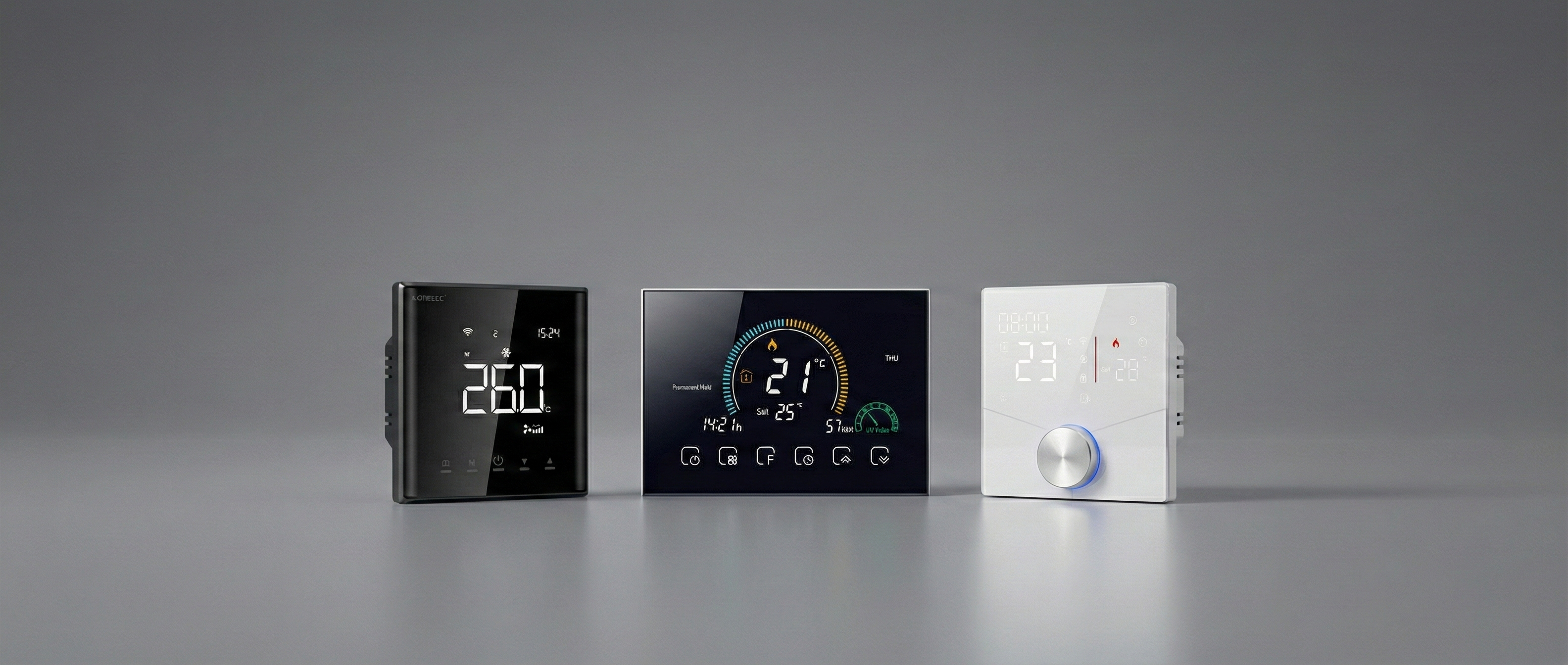
Ninova Smart Thermostat: For heating control and temperature management.
-
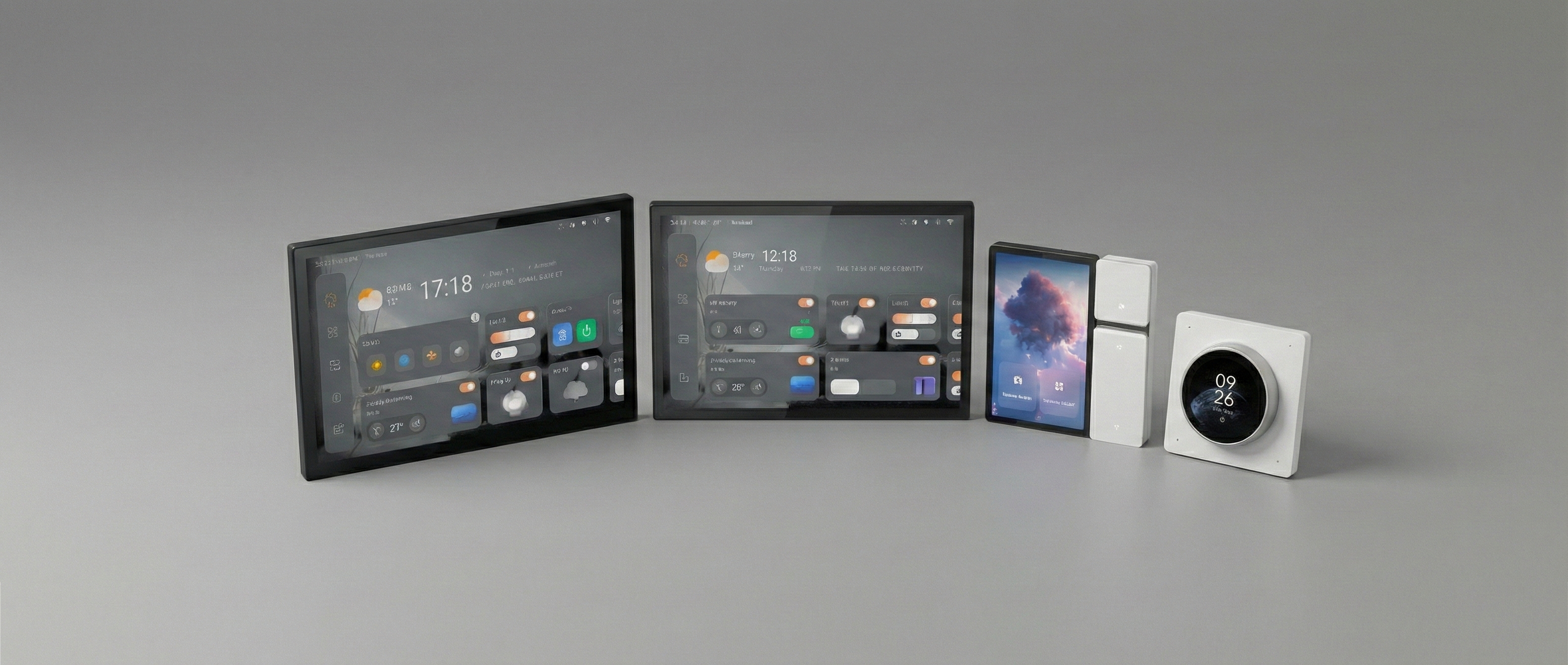
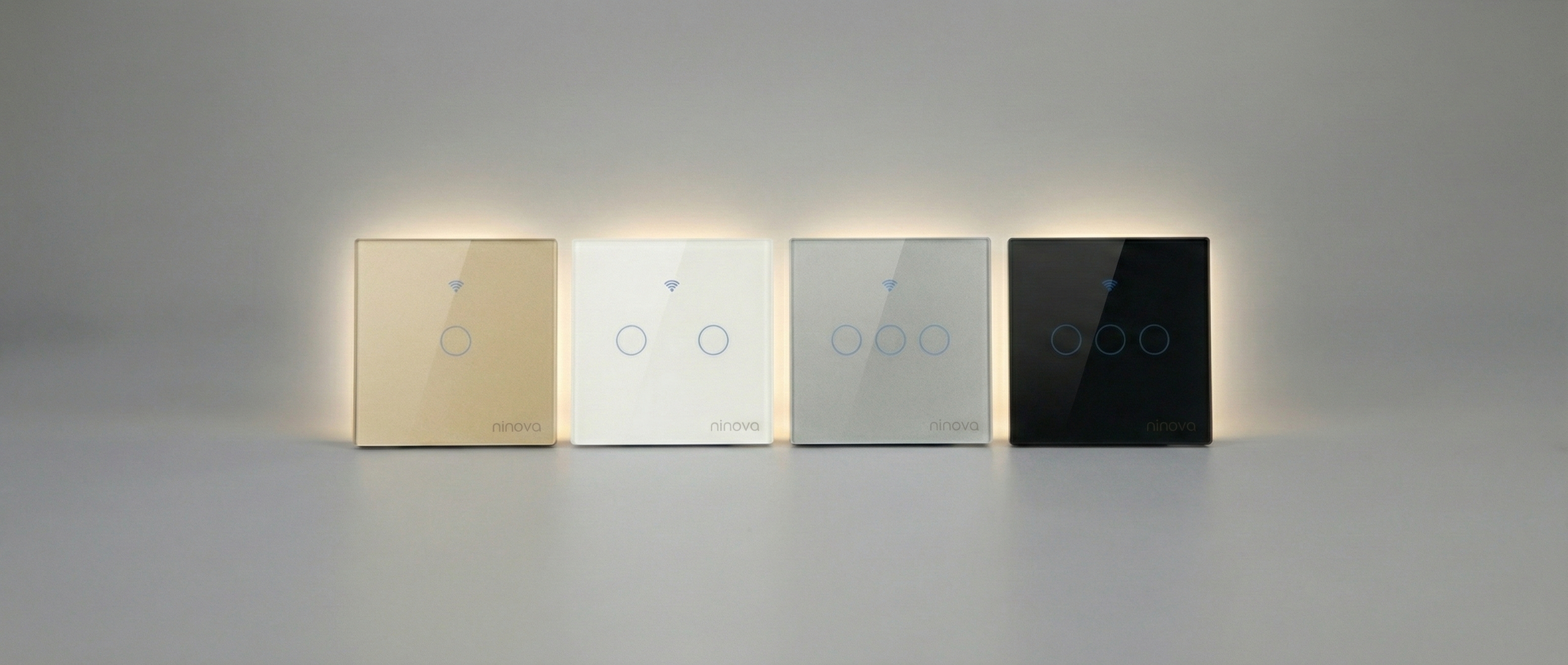
Ninova Touchscreen Smart Switch: For lighting control and smart home automation scenarios.
-
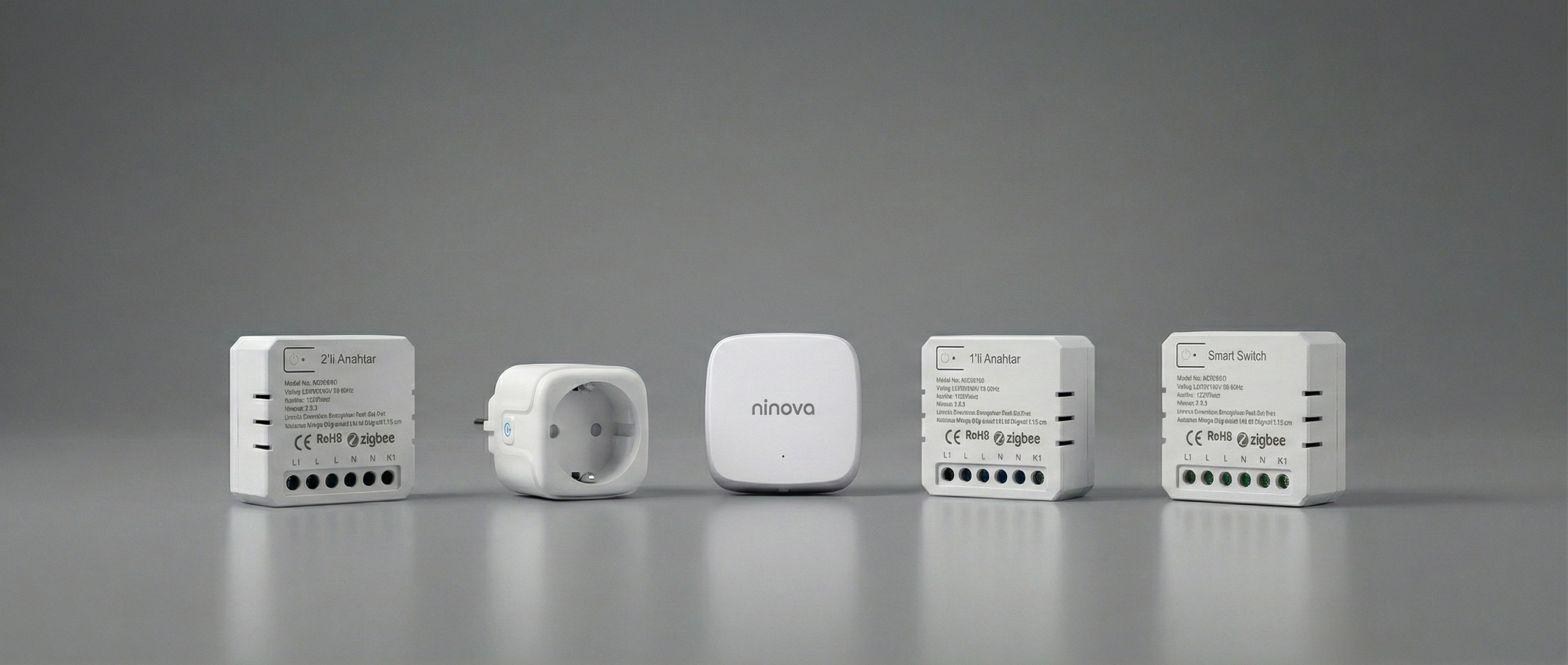
Ninova Zigbee Gateway: For managing supported Zigbee devices.
Review the latest technical specifications and supported systems to identify the products that best suit your project. Do not assume that these products are directly compatible with Matter unless the manufacturer explicitly confirms that support.
Frequently Asked Questions
Is Zigbee or Matter better?
Both technologies serve different needs. Zigbee stands out for its low power consumption and established device ecosystem, while Matter is designed to improve interoperability between compatible devices and smart home platforms. The best choice depends on your devices and system requirements.
Will Matter replace Zigbee?
It is not accurate to say that Matter will completely replace Zigbee. The two technologies serve different purposes and can coexist. Compatible bridges can also help integrate Zigbee devices into Matter ecosystems.
Do Zigbee devices work with Matter?
Zigbee devices can be integrated into a Matter ecosystem through a compatible Matter bridge or gateway. However, not every gateway supports this feature, and some device functions may not be exposed to other platforms.
Does Matter require an internet connection?
Matter supports control over a compatible local network, so some basic automations can operate without an internet connection. However, remote access, cloud services, and certain platform features may require internet connectivity.
Do I need a gateway for Zigbee?
Most Zigbee smart home installations use a coordinator or gateway to add and manage devices. The exact requirements depend on the system architecture.